Enagás Permanently Seals All 13 Castor Storage Wells in Spain
Enagás has permanently sealed all 13 wells at Spain's Castor underground gas storage facility, marking a major milestone in the decommissioning of an offshore energy asset. Completed in October 2026, the operation involved installing three permanent plugs in each well, clearing associated pipes from the seabed and preparing the site for the final abandonment of its surface facilities.
The project highlights the technical, environmental and regulatory responsibilities that accompany the retirement of complex energy infrastructure. For chemical traders, industrial buyers and procurement professionals, it also offers insight into the specialised materials, engineering services and safety requirements involved in offshore decommissioning.
Castor's permanent closure represents more than the completion of a well-sealing operation. It demonstrates how energy companies manage ageing infrastructure, address long-term environmental risks and move inactive assets towards a formally controlled end-of-life state.
Why Enagás Has Permanently Sealed the Castor Storage Wells
The Castor facility lies in Spanish territorial waters in the Mediterranean Sea, approximately 21.6 kilometres off the coast of Vinaròs in Castellón. It was designed as an underground natural gas storage facility, with offshore wells connected to onshore infrastructure through a gas pipeline system.
+1
The Spanish government ordered the permanent sealing and abandonment of the wells in 2019, bringing the facility's hibernation period to an end and initiating its decommissioning. Enagás received responsibility for carrying out the work, which required the company to move from maintaining a safely inactive installation to permanently isolating the underground wells.
The distinction between hibernation and permanent abandonment matters. During hibernation, operators preserve equipment and maintain barriers that keep an installation secure while it remains inactive. Permanent abandonment instead establishes long-term barriers inside the wells and prepares the asset for the removal of infrastructure that no longer serves an operational purpose.
The Castor project therefore addresses both immediate safety requirements and the long-term management of a retired offshore facility.
Three Permanent Plugs Provide Long-Term Well Isolation
Enagás installed three plugs in each of the 13 wells, creating a permanent barrier system designed to isolate the wellbores from surrounding geological formations and the marine environment. The work required specialised offshore equipment and engineering expertise to place the barriers at the appropriate locations.
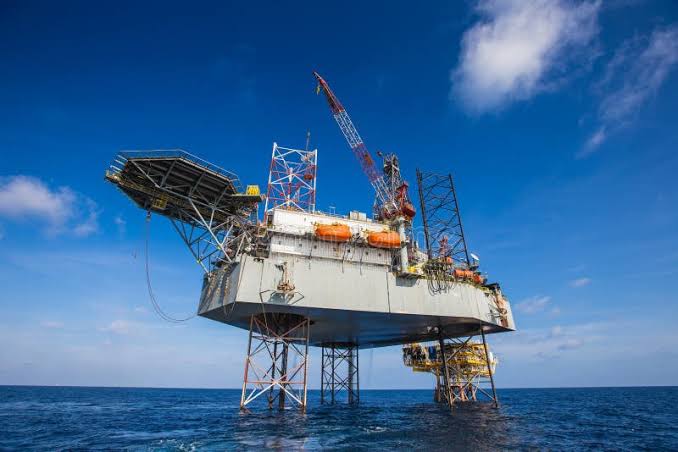
The operation used a jack-up offshore rig, the Noble Resolve, to support the well-sealing programme. Engineers combined mechanical isolation components with cement plugs to establish barriers intended to maintain their integrity over the long term.
These barriers serve several purposes:
Prevent fluid migration: Properly designed plugs isolate geological formations and reduce the potential for fluids to move between subsurface layers.
Maintain well integrity: Permanent barriers help prevent unwanted movement of gas or other fluids through abandoned wellbores.
Protect the marine environment: Effective isolation reduces the risk of unwanted releases into surrounding waters.
Support final decommissioning: Securely abandoned wells allow the operator to progress towards removing the remaining surface installations.
Independent technical oversight also forms part of the process. Enagás reported that an independent Well Examiner approved the permanent plugs under Spain's offshore safety framework.
The work illustrates why offshore well abandonment requires detailed planning, qualified personnel and suitable materials. A successful operation must account for the condition of the well, the geological formations it crosses and the ability of the installed barriers to perform over an extended period.
Seabed Clearance Prepares the Site for Final Decommissioning
Permanent well sealing was only one part of the Castor closure programme. After completing the well operations, the team cut the well conductors more than three metres below the seabed, removing protruding components and clearing the seabed of pipes associated with the wells.

Clearing the seabed helps reduce physical obstructions associated with the abandoned well infrastructure. It also prepares the site for subsequent work on the remaining offshore and onshore installations.
The Castor facility includes an offshore wellhead platform, a process and utilities platform and an onshore operations centre in Vinaròs. A pipeline system connects the offshore and onshore facilities, making the final stage a broader infrastructure decommissioning task rather than a well-sealing exercise alone.
The next phase focuses on the final plugging and abandonment of the surface facilities. This work must follow the relevant technical requirements while managing the equipment, pipelines and other components associated with the former storage operation.
Environmental Protection and Offshore Safety Requirements
Offshore decommissioning requires operators to manage risks that can persist long after production or storage activities stop. Inadequate well barriers can create pathways for fluid migration, while abandoned structures and pipelines can present environmental and operational challenges.
Enagás carried out the Castor sealing operations under Spanish legislation and international offshore well-abandonment guidance. The company also followed environmental and safety criteria established for the project and obtained independent approval for the permanent plugs.
Several principles guide responsible offshore abandonment:
Barrier integrity: Operators must select and install sealing systems suited to the well's conditions and long-term isolation requirements.
Environmental management: Teams must control potential impacts on the seabed and surrounding marine environment throughout the work.
Regulatory compliance: Decommissioning plans must meet applicable national laws, technical standards and project-specific environmental requirements.
Independent verification: Technical examination helps confirm that the installed barriers meet the required acceptance criteria.
Documented execution: Records of installation, inspections and approvals support regulatory oversight and future asset management.
These requirements create demand for specialised engineering services, offshore construction equipment, well-integrity expertise and materials suitable for demanding operating environments.
For procurement teams, compliance should remain a core purchasing criterion rather than a final administrative check. Suppliers must demonstrate that their products and services meet the relevant specifications, documentation requirements and quality expectations for the intended application.
What the Castor Project Means for Industrial Procurement
The Castor closure provides a useful example of the purchasing complexity involved in retiring large energy assets. Decommissioning projects bring together multiple technical disciplines, and procurement teams must coordinate suppliers across equipment, materials, offshore operations and environmental management.
The most important purchasing categories can include:
Well-abandonment materials: Cement systems, mechanical barriers and related components must suit the technical requirements of permanent well isolation.
Offshore equipment and services: Specialist rigs, marine support vessels and engineering contractors enable teams to conduct operations in challenging offshore conditions.
Inspection and verification services: Independent examination, quality assurance and technical documentation help demonstrate compliance.
Environmental services: Seabed assessments, waste management and monitoring support responsible project execution.
Surface infrastructure removal: Contractors may need lifting equipment, cutting systems and transport services to dismantle and remove redundant installations.
The precise requirements vary according to the asset's design, water depth, well condition and decommissioning plan. Buyers should therefore evaluate technical suitability alongside price, delivery schedules, supplier qualifications and the ability to provide complete documentation.
For chemical suppliers, the broader opportunity lies in supporting the industrial processes surrounding decommissioning. Cement-related materials, treatment chemicals and cleaning agents may serve particular applications, but buyers must select each product against the project's engineering specifications and environmental controls.
The Castor project also illustrates why procurement planning needs to begin well before offshore operations start. Delays in specialised equipment, approved materials or qualified contractors can affect schedules and increase the cost of coordinating marine operations.
The Cost and Planning Challenges of Permanent Well Abandonment
Enagás has placed the estimated cost of permanently sealing the Castor wells at €241 million, subject to receipt of the final certifications. The figure reflects the scale and complexity of the well-sealing programme and its specialised technical requirements.
Offshore abandonment costs depend on several interconnected factors. The availability of specialised rigs, the time needed to complete well operations, marine logistics and the complexity of the well barriers all influence the resources required.
Procurement and project teams must also account for:
Equipment mobilisation: Transporting offshore rigs and associated equipment requires careful scheduling and coordination.
Weather and marine conditions: Offshore operations depend on conditions that can affect access, safety and work schedules.
Material performance: Well barriers must meet stringent technical requirements and provide long-term integrity.
Regulatory approvals: Project milestones depend on compliance with applicable standards and the required technical reviews.
Final removal work: Abandoning wells does not automatically complete the dismantling of platforms, pipelines and onshore facilities.
These factors make cost control more complex than comparing supplier quotations. Buyers need to consider the full project scope, delivery reliability, technical support and the consequences of material or contractor delays.
A procurement strategy that prioritises verified performance and dependable execution can help reduce uncertainty throughout the decommissioning process.
How Energy Decommissioning Connects With Decarbonisation
Decommissioning forms part of the wider transition in energy infrastructure management. As companies retire assets that no longer serve their intended purpose, they must address legacy environmental responsibilities while planning how to manage remaining equipment and sites.
The Castor project falls within this broader infrastructure transition. However, permanent well sealing should be understood primarily as a safety, environmental protection and asset-abandonment measure, rather than as direct evidence of a reduction in greenhouse gas emissions.
Responsible decommissioning can support environmental objectives by addressing potential leakage pathways, removing redundant infrastructure and establishing a controlled end-of-life process. The overall environmental outcome also depends on how operators manage dismantling, material recovery, waste and the restoration of affected areas.
For chemical and industrial supply chains, this creates a need for products and services that meet strict technical and environmental requirements. Suppliers that can demonstrate consistent quality, traceability and application-specific performance can be better positioned to serve projects involving ageing energy assets.
Procurement professionals should assess sustainability claims against the actual function of the product or service. Environmental credentials matter, but they must complement the technical performance and regulatory compliance required for offshore work.
What Procurement Teams Should Watch as Castor Moves Forward
With all 13 wells permanently sealed and the seabed cleared of associated well pipes, the Castor project has completed a major stage of its closure programme. The remaining focus shifts towards the final abandonment and dismantling of the offshore and onshore surface facilities.
For buyers and suppliers monitoring the project, several developments deserve attention:
Surface facility dismantling: The next stage will involve managing the remaining installations and associated infrastructure.
Contractor and equipment requirements: Specialist removal operations may create demand for marine services, lifting systems and technical support.
Compliance documentation: Final certifications and inspection records remain important for demonstrating that the work meets the required standards.
Environmental management: Responsible handling of dismantled equipment and project waste will remain relevant throughout the remaining work.
Supplier qualification: Companies seeking opportunities in decommissioning should prepare evidence of relevant experience, quality controls and compliance capabilities.
The Castor project demonstrates that closing an offshore energy asset requires much more than stopping operations. Permanent well isolation, seabed clearance, regulatory oversight and surface facility abandonment must work together to achieve a safe and controlled retirement.
For chemical traders and industrial procurement teams, the wider lesson is clear: technical suitability, reliable supply and documented compliance are essential when serving complex infrastructure projects. As energy operators continue managing assets through their full life cycle, suppliers that understand these requirements can identify opportunities across specialist materials, engineering support and environmental services.
Ammonia Anhydrous
Found this useful?