Epsilyte EPS Insulation Business Benefits From Rising Energy-Efficiency Demand
Energy-efficiency requirements continue to support demand for EPS insulation, creating a constructive market environment for producers such as Epsilyte. The company, focused on lightweight and energy-efficient insulative materials, continues raising prices even as demand remains structurally supported by the broader push to reduce building energy consumption.
For chemical traders, procurement managers and industrial buyers, this combination creates a market worth watching closely. Strong insulation demand can support pricing power, while changes in construction activity, raw material costs and regional supply conditions can influence purchasing strategies.
Why EPS Insulation Remains Important to Energy Efficiency
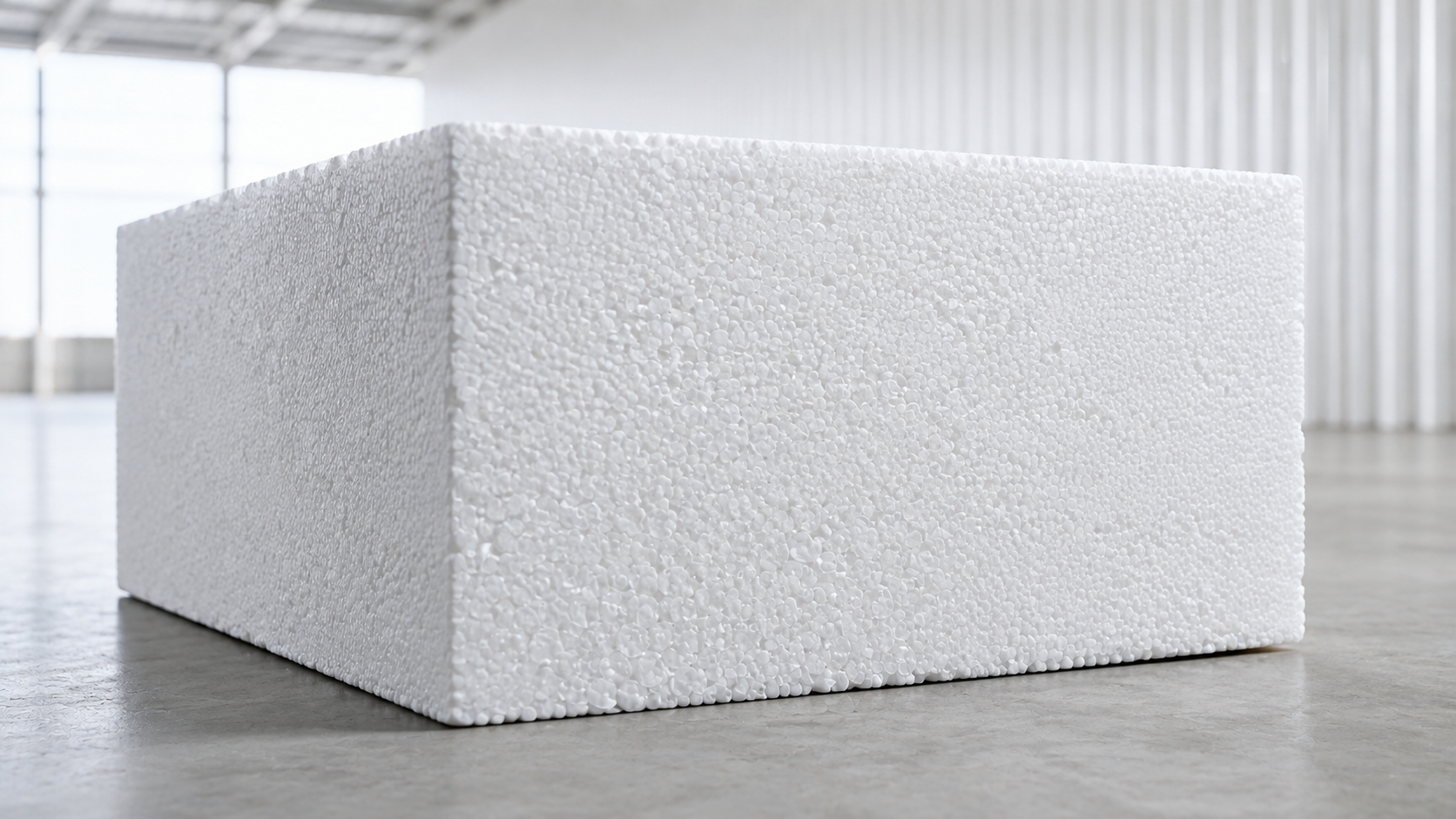
Expanded polystyrene, commonly known as EPS, combines low weight with thermal insulation performance, making it an important material for applications where controlling heat transfer matters. Its physical characteristics also support efficient handling, processing and installation across construction and industrial applications.
Energy efficiency has become a major purchasing consideration for building materials. Insulation can reduce the amount of energy required for heating and cooling, creating demand that extends beyond short-term construction cycles.
For buyers, this structural demand provides an important distinction. EPS insulation is not driven solely by new construction volumes, because energy-saving requirements and building performance objectives can continue supporting demand across different market conditions.
Epsilyte's Pricing Strategy Signals Market Confidence
Epsilyte's continued price increases stand out because they occur alongside sustained demand for energy-efficiency-linked EPS insulation products. The combination suggests that the company sees sufficient market support to pursue higher pricing despite the need for buyers to manage costs carefully.
Pricing decisions in specialty polymer markets can affect distributors, converters and downstream manufacturers. When producers increase prices, buyers may need to reassess inventory levels, contract structures and purchasing frequency rather than treating each increase as an isolated event.
Several factors deserve close attention:
Structural insulation demand: Energy-efficiency requirements can provide a durable demand base for EPS insulation products.
Producer pricing power: Continued price increases can indicate that suppliers see room to improve margins within supportive market conditions.
Procurement timing: Buyers may need to balance current inventory costs against the possibility of further increases.
Downstream competitiveness: Higher polymer costs can influence the economics of insulation products and finished construction materials.
What Is Supporting EPS Insulation Demand?
The strongest underlying driver is the growing emphasis on energy-efficient buildings. Insulation helps improve building envelopes by limiting unwanted heat transfer, which can reduce the energy required to maintain indoor temperatures.
This creates a link between polymer demand and broader efficiency objectives. When developers, contractors and building owners place greater emphasis on energy performance, insulation materials can benefit from investment decisions that extend beyond conventional construction volume indicators.
Demand can also receive support from renovation and refurbishment activity. Improving insulation represents one route for upgrading existing buildings, allowing energy-efficiency spending to generate material demand even when new building activity changes pace.
For chemical traders, this makes end-use demand especially important. Monitoring construction alone may not provide a complete picture of the EPS market because energy-efficiency projects can create additional channels for consumption.

How Energy Costs Influence the Insulation Market
Energy prices play an indirect but important role in insulation demand. When heating and cooling costs become more significant for building owners and operators, investments that improve thermal efficiency can become more attractive.
This relationship can strengthen the long-term case for insulation materials. Buyers may therefore view EPS demand through both the construction cycle and the wider economics of building energy consumption.
For manufacturers and distributors, this creates a market where demand drivers can operate at different speeds. Construction activity may fluctuate over shorter periods, while energy-efficiency objectives can develop over longer investment cycles.
The result is a more layered demand environment. Procurement teams should consider both immediate project requirements and broader efficiency trends when evaluating future EPS material needs.
Procurement Challenges for EPS and Polystyrene Buyers
Price increases require buyers to take a more active approach to sourcing. A procurement team that relies on spot purchases may face different cost exposure from a buyer with longer-term supply arrangements.
The availability of suitable material also matters. EPS insulation products depend on consistent polymer supply, production capacity and downstream conversion capabilities, so disruptions at any stage can affect delivery schedules.
Buyers should focus on several practical areas:
Supplier diversification: Maintaining relationships with multiple qualified suppliers can reduce dependence on a single source.
Inventory planning: Appropriate stock levels can provide protection against sudden price movements or delivery delays.
Contract flexibility: Purchasing agreements should reflect realistic market conditions and allow teams to manage changes in cost and demand.
Specification control: Buyers should ensure that alternative materials meet the technical and performance requirements of the intended insulation application.
These measures can become particularly valuable when producers maintain firm pricing. A stronger procurement process helps buyers respond to market changes without sacrificing supply continuity.
The Role of Polystyrene Feedstock in EPS Supply
EPS sits within the broader polystyrene value chain, which connects polymer production with insulation manufacturing and other downstream applications. For traders and industrial buyers, this means developments in polystyrene availability can influence the economics of EPS-related products.
The relationship between upstream feedstock conditions and finished insulation demand deserves close monitoring. A supportive end-use market can help sustain demand for polymer inputs even when other polystyrene applications experience different conditions.
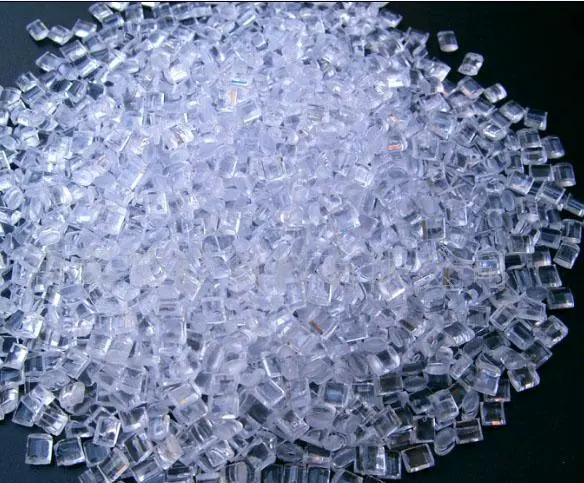
For buyers sourcing polymer materials, product suitability remains essential. General-purpose polystyrene (GPPS) represents a separate commercial product category from EPS, but both sit within the wider polystyrene market and can provide useful context when assessing broader supply and demand dynamics.
Procurement teams should therefore avoid looking at insulation demand in isolation. Upstream polymer conditions, producer capacity and downstream requirements can all influence the final purchasing environment.
Regional Demand and the Energy-Efficiency Connection
Energy-efficiency priorities vary across markets, but the underlying commercial logic remains similar. Regions seeking lower building energy consumption have incentives to improve insulation performance across both new construction and existing structures.
This creates opportunities for manufacturers, distributors and exporters serving markets where building efficiency remains a significant investment theme. Strong demand can also increase the importance of dependable logistics and regional inventory availability.
For international traders, freight costs and delivery reliability can become increasingly important when material prices rise. A competitive product price may offer limited value if transportation costs, lead times or supply uncertainty undermine the delivered economics.
Regional sourcing strategies should therefore consider total landed cost rather than headline polymer pricing alone.
What Rising Prices Mean for Chemical Traders
Epsilyte's pricing activity highlights an important principle for chemical traders: strong structural demand can give producers greater confidence when adjusting prices. Traders need to understand whether an increase reflects temporary market tightness or a deeper shift in supplier pricing power.
When energy-efficiency demand remains supportive, buyers may have fewer opportunities to rely on weak downstream demand to push prices lower. This can change the balance between holding inventory and purchasing only against confirmed orders.
A disciplined trading strategy can focus on:
Tracking supplier announcements and market pricing movements.
Comparing delivered costs across alternative supply routes.
Maintaining relationships with qualified producers and distributors.
Monitoring construction and energy-efficiency investment trends.
Matching inventory positions to realistic downstream demand rather than speculative assumptions.
This approach helps traders manage both price exposure and supply risk as the insulation market evolves.
Looking Ahead to 2027
The outlook for EPS insulation remains closely connected to the continued focus on energy efficiency. If demand for materials that improve building thermal performance remains structurally strong, the market can continue providing support for insulation-focused producers.
Epsilyte's ability to raise prices despite this supportive demand environment also gives buyers an important signal. Procurement teams should expect supplier pricing strategies to remain a central consideration when planning budgets, contracts and inventory.
The market may still face changes from construction cycles, polymer costs, transportation conditions and regional supply availability. However, the underlying energy-efficiency requirement gives EPS insulation a demand driver that extends beyond short-term market fluctuations.
The Bottom Line for Procurement Teams
For chemical buyers, the current EPS insulation market calls for a balance between cost control and supply security. Epsilyte's continued price increases show how producers can leverage structurally supportive demand for energy-efficient insulation materials.
Procurement teams should evaluate supplier reliability, landed costs, inventory exposure and broader polystyrene market conditions together. Buyers who maintain flexible sourcing strategies can respond more effectively as pricing and demand conditions change.
For traders, the key opportunity lies in understanding the connection between polymer supply, insulation demand and energy-efficiency investment. That broader view can help identify purchasing opportunities while reducing exposure to sudden supply or pricing shifts.
Ready to source Polystyrene from verified global suppliers? Explore competitive offers on our platform today.
General-Purpose Polystyrene (GPPS)
Found this useful?