Equinor’s Snøhvit Future Project Reaches NOK 26.5 Billion as Norway Advances LNG Decarbonization
Equinor has raised the estimated investment for its Snøhvit Future project to NOK 26.5 billion, adding fresh attention to the cost of reducing emissions from energy-intensive industrial facilities. Despite the higher budget, the Norwegian energy company has retained its planned milestones, with onshore gas compression scheduled for 2029 and electrification of Hammerfest LNG expected in 2030. The project is approximately 60% complete.
The Snøhvit Future project sits at the intersection of natural gas production, industrial infrastructure and decarbonization. Its two central objectives are to maintain gas output as reservoir pressure declines and reduce annual carbon dioxide emissions by 850,000 tonnes. For energy market participants, industrial suppliers and procurement teams, the investment highlights the scale of equipment, engineering and infrastructure required to modernize an operating LNG facility while preserving its contribution to European energy supplies.
Why Equinor Is Investing in the Snøhvit Future Project
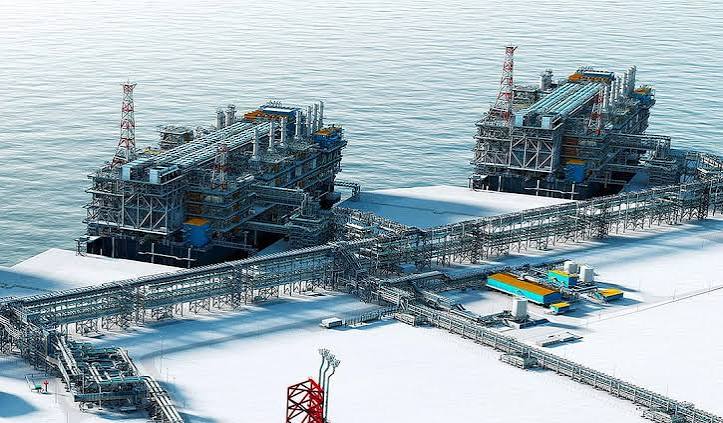
The Snøhvit Future project supports the continued operation of Hammerfest LNG at Melkøya, near Hammerfest in northern Norway. The facility processes natural gas from offshore fields in the Barents Sea and converts it into liquefied natural gas for international markets.
Two connected developments form the project's core. First, onshore compression will help maintain gas flows as pressure in the Snøhvit reservoirs decreases. Second, electrification will replace the facility's existing gas-turbine power generation with electricity from the mainland grid.
These changes address separate operational challenges. Compression supports production continuity, while electrification targets emissions associated with the energy required to operate the LNG plant.
For the wider energy industry, the project demonstrates how operators can extend the productive life of established facilities without relying exclusively on new production infrastructure. It also illustrates the financial and engineering demands of integrating new equipment into a plant that must continue to operate safely and reliably.
Project Costs Rise to NOK 26.5 Billion
The latest estimate places Snøhvit Future's investment at NOK 26.5 billion in 2026 currency values. This represents a significant increase from the original development estimate submitted in 2022.
The cost progression provides useful context for procurement and project management teams:
2022: The original investment estimate stood at NOK 13.2 billion.
December 2025: Equinor announced a revised estimate of slightly more than NOK 20 billion in 2025 currency values.
October 2026: The company raised the estimate to NOK 26.5 billion in 2026 currency values.
Inflation-adjusted comparisons require care because the estimates use different reference years. Equinor states that the original NOK 13.2 billion estimate corresponds to NOK 15.2 billion in current currency values.
The increase reflects more than the purchase price of individual equipment packages. Equinor has identified operational challenges at Hammerfest LNG, difficult rock conditions in the power cable tunnel and weather-related difficulties as factors affecting progress and expenditure.
The company has also highlighted the complexity of executing construction and modifications inside an operating industrial facility. These conditions can complicate access, installation schedules, maintenance coordination and the sequencing of specialist contractors.
For procurement professionals, the central lesson is that major industrial projects require cost controls that extend beyond initial supplier quotations. Engineering changes, installation constraints and unexpected site conditions can influence total project expenditure long after equipment orders have been placed.
How Compression and Electrification Will Change LNG Operations
Onshore compression and electrification address different technical requirements, making their coordination central to the project's delivery.
Gas reservoirs naturally lose pressure as production continues. Without suitable compression infrastructure, this decline can reduce the flow of gas reaching the processing facility. The new compression system will help maintain production levels and support continued operation of Hammerfest LNG.
Electrification tackles the energy supply side of the operation. The facility currently uses gas turbines to generate power, producing associated carbon emissions. Replacing this generation with electricity from the mainland grid will reduce the emissions linked to the plant's operating energy requirements.
The planned milestones remain distinct:
2029: Onshore compression is scheduled to begin operating.
2030: Electrification of Hammerfest LNG is scheduled to take place.
Delivering both changes requires more than installing compressors and electrical equipment. The project includes a new substation at Melkøya, a subsea power cable, a 3.2-kilometre power cable tunnel between Meland and Hyggevatn and supporting grid infrastructure.
The work also involves technical modifications to existing facilities. Contractors must coordinate construction, electrical integration and commissioning while managing the requirements of an operating LNG plant.
The 850,000-Tonne Annual CO₂ Reduction Target
Electrification represents the project's main climate benefit. Equinor expects the transition to mainland electricity to reduce annual carbon dioxide emissions from Hammerfest LNG by 850,000 tonnes, equivalent to approximately 2% of Norway's annual emissions.
The reduction comes from replacing the gas turbines that currently supply the facility's power with electricity from the mainland grid. This approach can substantially lower the plant's direct operating emissions, although its wider climate performance also depends on the electricity supply and the emissions associated with construction and infrastructure.
The target illustrates the potential impact of electrifying energy-intensive industrial facilities. LNG processing requires considerable energy to operate compressors, pumps, cooling systems and other equipment, making the source of that energy an important factor in the facility's emissions profile.
However, the emissions target does not remove the need for careful project execution. The electrical infrastructure must provide the capacity and reliability required for continuous industrial operations, while equipment integration must meet the plant's technical and safety requirements.
For industrial buyers, the project also highlights the growing importance of electrical equipment, cable systems, transformers, switchgear and specialist installation services in energy transition projects. Demand for these supplies can extend across several years, creating procurement opportunities while placing pressure on delivery schedules and supplier capacity.
Supply Chain Complexity and Procurement Risks
Snøhvit Future demonstrates how supply chain performance can influence the economics of large-scale industrial modernization. The project combines heavy mechanical equipment, electrical systems, underground construction, subsea infrastructure and modifications to an established processing facility.
Each workstream depends on specialist suppliers and coordinated delivery schedules. A delay in one package can affect installation activities, commissioning sequences and the availability of related contractors.
Several procurement risks deserve particular attention:
Long equipment lead times: Compressors, transformers and high-voltage electrical systems often require detailed engineering and specialized manufacturing. Buyers must align purchase orders with installation milestones and allow sufficient time for testing and delivery.
Site-specific engineering: Arctic weather, difficult geology and the constraints of an operating LNG plant can require changes to construction methods, equipment access and installation schedules.
Supplier coordination: Mechanical, electrical and civil engineering contractors must work from compatible technical specifications. Gaps between packages can lead to rework, additional costs or schedule disruption.
Cost escalation: Changes in material prices, labour costs and engineering requirements can increase expenditure after the initial budget approval.
Commissioning requirements: Equipment must integrate with existing control systems, utilities and plant operations before the facility can use the new infrastructure reliably.
Procurement teams can reduce exposure by evaluating suppliers on more than unit price. Technical compliance, production capacity, delivery history, documentation quality and after-sales support all influence the overall value of a contract.
Buyers should also distinguish between equipment supply and full project-delivery responsibilities. A low initial quotation may not represent the lowest total cost if it excludes testing, installation support, spare parts or commissioning assistance.
What the Project Means for Industrial Suppliers
The Snøhvit Future investment creates demand across several industrial supply categories. Although the project centres on natural gas infrastructure, its requirements extend into electrical engineering, construction materials, instrumentation and plant maintenance.
Equipment manufacturers and industrial distributors can find opportunities in projects that combine conventional energy operations with lower-emission technologies. However, suppliers must understand the qualification requirements and technical standards that major energy companies apply to their contractors.
Relevant supply categories include:
Mechanical equipment: Compression systems, valves, pumps, pipe fittings and associated components support gas processing and flow management.
Electrical infrastructure: Transformers, switchgear, power cables and substation components enable grid connections and facility electrification.
Instrumentation and controls: Sensors, control equipment and monitoring systems help operators manage performance and maintain safe operating conditions.
Construction materials: Structural steel, cable protection systems and industrial-grade materials support new infrastructure and plant modifications.
Maintenance supplies: Replacement components, seals, lubricants and other approved consumables help maintain reliability throughout the facility's operating life.
For chemical traders, the project is also a reminder that large energy investments can influence adjacent industrial supply chains. Demand may extend to specialty materials and process chemicals used in maintenance, cleaning, water treatment and other supporting operations, depending on the facility's specifications.
Suppliers should avoid assuming that participation in a large project guarantees an order. Qualification procedures, approved vendor lists, technical documentation and contractual requirements can determine whether a company is eligible to supply a particular package.
Norway's Energy Strategy and Long-Term LNG Supply
Snøhvit Future supports Norway's objective of maintaining a reliable role in European energy markets while reducing emissions from domestic oil and gas operations. Hammerfest LNG is an important part of this strategy because it provides an export route for gas produced in the Barents Sea.
Maintaining the facility's operation requires investment in infrastructure that can accommodate changing reservoir conditions. Compression helps address declining pressure, while electrification changes how the processing plant obtains the energy it needs.
The project also has a regional economic dimension. Equinor expects more than 70% of development-phase value creation to go to Norwegian companies, with more than one-third of that value directed to northern Norway.
These commitments create work for engineering firms, construction contractors, equipment suppliers and local service providers. They also show how major industrial projects can distribute spending across national and regional supply networks.
Nevertheless, the rising investment estimate highlights a difficult balance. Operators must weigh the costs of maintaining established production assets against the benefits of continued energy supply, lower operating emissions and regional economic activity.
For energy buyers, the broader implication is that the transition to lower-emission industrial operations does not eliminate the need for conventional energy infrastructure. Instead, companies increasingly invest in upgrades that combine production continuity with changes to power generation, efficiency and emissions performance.
What Procurement Teams Should Watch Through 2030
With the project approximately 60% complete, the next phase will test Equinor's ability to manage construction complexity, supplier coordination and installation deadlines without further disrupting the timetable.
Procurement managers and industrial suppliers should monitor several developments as the project advances:
Equipment installation and readiness: The compressor module arrived at Melkøya in August 2026. Subsequent installation, integration and testing activities will influence readiness for the planned 2029 compression milestone.
Electrical infrastructure delivery: Substations, power cables and the cable tunnel must work together to provide the infrastructure needed for electrification.
Budget management: The revised NOK 26.5 billion estimate reinforces the importance of tracking changes, supplier commitments and installation costs throughout the remaining project period.
Contractor coordination: Close integration between suppliers and the operating facility remains essential to managing construction risks and protecting existing operations.
Electrification preparation: The 2030 target will require the electrical infrastructure and plant modifications to reach the necessary level of readiness before the transition.
Buyers working on similar industrial projects can apply these lessons by developing realistic procurement schedules, qualifying alternative suppliers where permitted and reviewing contractual provisions for delays and engineering changes.
The project also illustrates why procurement teams should assess the full lifecycle cost of equipment rather than focus exclusively on the initial purchase price. Reliability, energy performance, maintenance requirements and availability of replacement parts can materially influence long-term operating costs.
The Commercial Outlook for Industrial Decarbonization
Equinor's Snøhvit Future project shows that industrial decarbonization involves a combination of engineering investment, supply chain coordination and long-term operational planning. Its revised cost estimate of NOK 26.5 billion highlights the financial challenges, while the unchanged schedule preserves the targets for compression in 2029 and electrification in 2030.
The planned reduction of 850,000 tonnes of CO₂ annually gives the project a substantial emissions objective alongside its role in maintaining LNG production. For procurement teams, suppliers and energy market participants, the project offers a practical example of how major industrial operators are upgrading existing assets to meet changing production and environmental requirements.
As the project progresses, equipment availability, contractor performance and infrastructure readiness will remain important factors. Companies that combine strong supplier relationships with disciplined cost management and reliable technical documentation will be better positioned to participate in similar industrial investment programmes.
Ammonia Anhydrous
Found this useful?