Ethyl Acrylate: Industrial Applications and Global Market Trends
Ethyl acrylate has become an important raw material in the global specialty chemicals industry, supporting the production of adhesives, coatings, textile treatments and advanced polymer formulations. Its ability to copolymerise with other monomers makes it particularly valuable for manufacturers seeking specific combinations of flexibility, durability and adhesion.
As construction, packaging, automotive and textile industries continue to develop, demand for acrylic-based materials creates opportunities across the ethyl acrylate supply chain. Chemical traders, procurement managers and industrial buyers must understand its applications, production characteristics and regional market developments to make informed purchasing decisions.
The market is also experiencing a shift towards lower-carbon chemical production. Major manufacturers have introduced bio-based ethyl acrylate alternatives, bringing sustainability and feedstock traceability into purchasing decisions alongside traditional considerations such as price, quality and availability.
What Is Ethyl Acrylate and How Is It Produced?
Ethyl acrylate (EA) is an organic chemical compound belonging to the acrylic ester family. Its chemical formula is C5H8O2 and its CAS number is 140-88-5. It typically appears as a clear, colourless liquid with a strong, pungent odour.
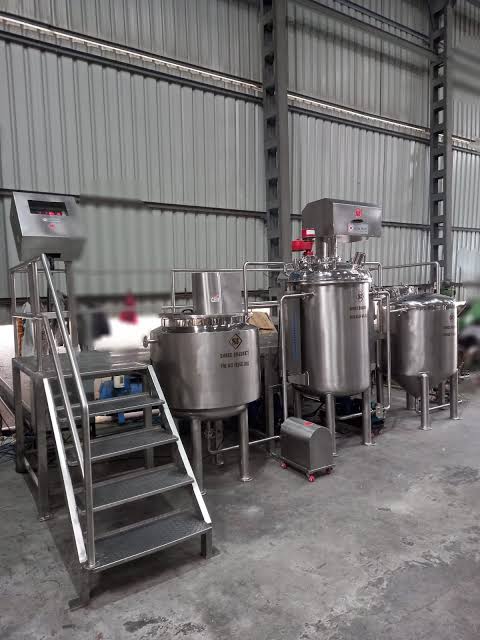
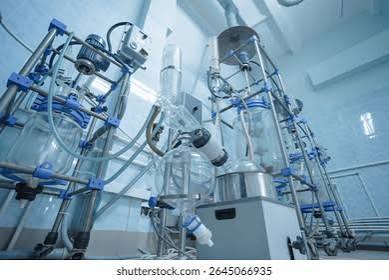
Manufacturers primarily produce ethyl acrylate through the esterification of acrylic acid with ethanol. This chemical reaction produces ethyl acrylate and water, followed by purification and stabilisation to achieve the required commercial specifications.
Key Chemical Characteristics
Several properties make ethyl acrylate suitable for industrial polymer manufacturing:
High polymerisation reactivity: Its carbon-carbon double bond allows it to participate in polymerisation and copolymerisation reactions.
Flexibility enhancement: Ethyl acrylate helps manufacturers develop polymers with improved flexibility and elasticity.
Compatibility: It can combine with other acrylic and vinyl monomers to produce polymers with application-specific characteristics.
Industrial versatility: Its derivatives support coatings, adhesives, textile treatments and speciality chemical formulations.
Ethyl acrylate requires stabilisation because it can polymerise unexpectedly under unsuitable conditions. Commercial products therefore contain inhibitors that help maintain chemical stability during transportation and storage.
Major Industrial Applications of Ethyl Acrylate
Ethyl acrylate serves primarily as a chemical intermediate and polymerisation monomer. Its importance comes from the performance characteristics it contributes to downstream products.
1. Paints and Industrial Coatings
Paints and coatings represent an important application area for ethyl acrylate-based polymers.
Manufacturers incorporate ethyl acrylate into acrylic copolymers used in water-based paints, protective coatings and industrial surface treatments. These polymers help improve film flexibility, adhesion and resistance to environmental exposure.
Common applications include:
Decorative and architectural paints.
Industrial protective coatings.
Wood and furniture finishes.
Metal surface coatings.
Speciality coating formulations.
The growing preference for water-based coating technologies also creates opportunities for acrylic polymer manufacturers seeking suitable raw materials.
2. Adhesives and Sealants
Ethyl acrylate contributes to adhesive formulations through its role in polymer and copolymer production.
Acrylic-based adhesive systems can provide strong bonding characteristics, flexibility and durability across different substrates. Manufacturers use these materials in construction adhesives, industrial bonding products and pressure-sensitive adhesive formulations.
Applications include packaging adhesives, construction sealants, assembly materials and speciality industrial bonding products.
3. Textile and Leather Processing
Textile manufacturers use ethyl acrylate-based polymers in finishing and treatment formulations.
These polymers can improve fabric surface characteristics, flexibility and binding performance. They also support the production of coatings and treatments for specialised textile products.
Important applications include:
Nonwoven fabric binders.
Textile coating and finishing agents.
Fabric lamination materials.
Leather finishing formulations.
Protective treatments for synthetic and natural fabrics.
Leather processors also use acrylic polymer formulations to improve the appearance, texture and surface performance of finished leather products.
4. Paper, Printing and Packaging
Ethyl acrylate-based polymers contribute to paper coatings, pigment binders and printing-related formulations.
In paper manufacturing, acrylic polymers help improve surface characteristics and support coating applications. Their flexibility and adhesion properties also make them useful in speciality paper treatments.
Packaging manufacturers benefit indirectly through acrylic-based adhesives, protective coatings and surface treatment materials.
5. Plastics and Speciality Chemical Manufacturing
Ethyl acrylate also supports the production of speciality plastics, acrylic elastomers and polymer intermediates.
Chemical manufacturers combine it with other monomers to develop materials with specific mechanical and processing characteristics. It can also serve as an intermediate in producing other speciality chemicals, including compounds used in water treatment applications.
These diverse applications help maintain its relevance across several industrial value chains.
Global Ethyl Acrylate Market Trends and Demand Drivers
The global ethyl acrylate market reflects developments across construction, coatings, adhesives, textiles and speciality polymer manufacturing. Demand depends on the performance requirements of downstream industries as well as the availability and cost of acrylic raw materials.
Asia-Pacific Remains an Important Growth Region
Asia-Pacific plays a significant role in the global acrylic chemicals industry.
China, India, Japan and South Korea have established chemical manufacturing industries supported by downstream demand from construction, automotive, packaging, textiles and consumer goods.
Several factors support regional market activity:
Expanding construction and infrastructure projects.
Increasing production of industrial coatings and adhesives.
Strong textile and footwear manufacturing sectors.
Growing demand for polymer-based materials.
Established chemical manufacturing and distribution networks.
China's extensive chemical manufacturing base also makes it an important market for regional supply and trade flows. India represents another relevant market because of its expanding industrial manufacturing and infrastructure sectors.
North American and European Market Developments
North America maintains demand through industrial coatings, adhesives, construction materials and speciality chemical manufacturing.
The United States has established downstream polymer and chemical industries that use acrylic raw materials in various industrial formulations. Procurement activity in the region also reflects requirements for consistent product specifications and regulatory compliance.
Europe has a strong speciality chemicals sector, with sustainability increasingly influencing raw material selection.
Manufacturers are investing in lower-carbon production methods and renewable feedstocks. These developments are encouraging buyers to evaluate the environmental performance of chemical inputs alongside traditional technical and commercial requirements.
Growing Interest in Sustainable Acrylic Chemicals
One of the most important developments is the introduction of bio-based ethyl acrylate.
In October 2024, Arkema announced production of ethyl acrylate using bioethanol at its Carling facility in France. The company reported a 40% bio-carbon content and a potential product carbon footprint reduction of up to 30% compared with conventional alternatives.
BASF also announced a transition towards bio-based ethyl acrylate from the fourth quarter of 2024, reporting approximately 40% traceable bio-based content and a product carbon footprint reduction of around 30%.
These developments indicate that renewable feedstocks are becoming an increasingly relevant consideration in the acrylic monomers industry.
Factors Influencing Ethyl Acrylate Prices and Supply
Ethyl acrylate procurement costs depend on several interconnected factors. Buyers should monitor upstream raw materials, manufacturing conditions and regional supply availability when evaluating purchasing opportunities.
1. Acrylic Acid and Ethanol Prices
Acrylic acid and ethanol are the principal raw materials used in ethyl acrylate production.
Changes in their prices can influence manufacturing economics. Acrylic acid availability, ethanol feedstock costs and energy expenses can all affect supplier quotations.
Renewable ethanol may also introduce additional sourcing and certification considerations for bio-based grades.
2. Energy and Manufacturing Costs
Ethyl acrylate production requires industrial processing, purification and stabilisation.
Changes in electricity, fuel, transportation and operating expenses can influence production costs. Manufacturers operating in regions with higher energy costs may face different competitive conditions from producers with integrated chemical operations.
3. Regional Supply and Demand
Regional demand from coatings, adhesives and textile manufacturers can influence purchasing conditions.
When downstream production increases, buyers may experience stronger competition for available material. Conversely, weaker industrial activity or increased regional supply can reduce purchasing pressure.
Plant maintenance, production interruptions and shipping disruptions can also affect availability.
4. Freight and International Trade
International chemical trade depends on freight rates, port operations, container availability and hazardous-material transportation requirements.
Because ethyl acrylate is a flammable and reactive chemical, logistics providers must follow appropriate handling and transportation procedures. These requirements can influence delivery schedules and total landed procurement costs.
Global Sourcing, Storage and Procurement Considerations
For international chemical buyers, purchasing ethyl acrylate requires more than comparing supplier quotations. Product consistency, stabilisation, documentation and transportation arrangements are equally important.
Product Quality and Technical Specifications
Procurement teams should request an up-to-date technical data sheet before placing an order.
Important specification parameters include:
Purity and assay.
Water content.
Acidity.
Inhibitor concentration.
Appearance and colour.
Relevant batch testing documentation.
For reference, Arkema's published ethyl acrylate specifications include a minimum purity of 99.5% and an MEHQ inhibitor concentration of 10 to 20 ppm. Actual purchasing specifications should match the supplier's current grade documentation and the buyer's production requirements.
Safe Storage and Transportation
Ethyl acrylate requires careful storage because uncontrolled polymerisation can generate significant heat and pressure.
Buyers should pay particular attention to:
Temperature-controlled storage conditions.
Appropriate inhibitor concentration.
Adequate dissolved oxygen requirements.
Protection from direct sunlight and excessive heat.
Suitable chemical-compatible storage equipment.
Proper ventilation and ignition control.
BASF's safety data guidance highlights the importance of maintaining inhibitor effectiveness and appropriate oxygen conditions during storage. Buyers should follow the exact storage requirements specified in the supplier's current safety data sheet rather than applying generic storage procedures.
Ethyl acrylate is classified as a flammable liquid and requires appropriate hazardous-material handling procedures. Personnel should receive relevant training and use suitable protective equipment.
Supplier Verification and Documentation
Before confirming international purchases, buyers should evaluate suppliers against several criteria:
Manufacturer or authorised distributor credentials.
Current technical and safety data sheets.
Certificate of Analysis for each batch.
Country of origin and production details.
Packaging and shipping specifications.
Export documentation and regulatory compliance.
Delivery reliability and commercial terms.
Comparing suppliers on a consistent technical basis helps procurement teams avoid purchasing decisions based solely on the lowest quoted price.
What Buyers Should Expect from the Ethyl Acrylate Market in 2027
The ethyl acrylate market will continue to reflect developments in downstream manufacturing, raw material economics and international chemical trade.
Construction activity, industrial coatings, adhesive manufacturing and textile processing remain important demand drivers. Growth in these sectors can create additional opportunities for producers, distributors and international chemical traders.
Sustainability will also influence future purchasing decisions. The introduction of bio-based ethyl acrylate by major manufacturers demonstrates that renewable feedstocks are moving beyond research and development into commercial production.
For procurement professionals, several developments deserve attention:
Bio-based product availability: Evaluate renewable alternatives and verify their bio-carbon content and environmental documentation.
Regional sourcing opportunities: Compare suppliers across Asia, Europe and North America to understand availability and delivered costs.
Raw material volatility: Monitor acrylic acid, ethanol and energy markets when reviewing supplier quotations.
Quality assurance: Prioritise consistent purity, inhibitor specifications and reliable batch documentation.
Supply chain resilience: Develop relationships with qualified suppliers and maintain appropriate inventory planning.
Chemical traders can also create value by connecting manufacturers with reliable international buyers and providing transparent product specifications, competitive offers and dependable logistics.
2-Ethylhexyl Acrylate
Found this useful?