
Ethylene Dichloride (EDC): Its Essential Role in PVC Production
Ethylene Dichloride (EDC) plays an important role in the global petrochemical industry because it connects basic chemical production with the manufacturing of widely used plastic materials. Although EDC rarely appears in finished consumer products, it supports the production of polyvinyl chloride (PVC), one of the most commercially significant plastics used across construction, infrastructure, electrical equipment and healthcare.
The importance of EDC comes from its position in the PVC manufacturing chain. Chemical producers convert it into vinyl chloride monomer (VCM), which subsequently undergoes polymerisation to produce PVC resin. This relationship makes EDC an important material for manufacturers, chemical distributors and procurement professionals monitoring the plastics supply chain.
As demand for PVC continues to depend on construction activity, infrastructure investment and industrial manufacturing, EDC remains an important intermediate in international chemical trade.
What Is Ethylene Dichloride (EDC)?
Ethylene Dichloride, chemically known as 1,2-dichloroethane, is an organic chemical compound with the molecular formula C₂H₄Cl₂. It is a colourless liquid that serves primarily as an industrial intermediate in the production of vinyl chloride monomer.
The chemical belongs to the chlorinated hydrocarbon family. Its main commercial importance comes from its ability to serve as a feedstock for VCM manufacturing rather than its direct use in finished products.
Chemical Properties and Industrial Importance
EDC has several characteristics that make it suitable for industrial chemical manufacturing.
Chemical formula: C₂H₄Cl₂
Molecular weight: Approximately 98.96 g/mol
Appearance: Clear, colourless liquid
Chemical classification: Chlorinated organic compound
Primary application: Production of vinyl chloride monomer
Major downstream industry: PVC manufacturing
EDC has established demand because PVC manufacturers require a consistent supply of VCM. As a result, its commercial performance remains closely connected to the wider chlor-vinyl industry.
However, EDC is toxic and presents significant fire and exposure hazards. Its industrial use requires appropriate regulatory compliance, professional handling systems and controlled manufacturing environments.
How EDC Supports PVC Production
The connection between Ethylene Dichloride and PVC begins with the production of vinyl chloride monomer. EDC serves as the intermediate chemical that connects ethylene and chlorine feedstocks with the production of VCM.
The manufacturing chain generally involves three interconnected stages.
1. Production of Ethylene Dichloride
The first stage involves combining ethylene with chlorine through an industrial chlorination process. This reaction produces EDC, which becomes the primary intermediate for the next manufacturing stage.
Industrial facilities may also use oxychlorination technology. This process incorporates ethylene, hydrogen chloride and oxygen to produce additional EDC, helping integrate different stages of chlor-vinyl manufacturing.
The availability and cost of ethylene and chlorine therefore influence the economics of EDC production.
2. Conversion of EDC into Vinyl Chloride Monomer
The second stage converts EDC into vinyl chloride monomer through an industrial thermal decomposition process.
During this conversion, EDC produces VCM and hydrogen chloride. The hydrogen chloride can return to the oxychlorination stage, supporting a more integrated manufacturing system.
This relationship allows chemical producers to connect EDC production with VCM manufacturing while improving the overall efficiency of the production chain.
3. Polymerisation into PVC
The final stage involves converting VCM into polyvinyl chloride through polymerisation.
During this process, VCM molecules join together to form long polymer chains. Manufacturers then process PVC resin into different formulations and finished products according to their intended applications.
The complete production chain demonstrates why EDC has such an important position in the plastics industry. Without a reliable supply of this intermediate, VCM production and downstream PVC manufacturing can face supply constraints.
Major Industrial Applications of PVC Produced from EDC
PVC manufactured through the EDC-to-VCM production chain serves several major industrial markets. Its versatility, durability and adaptability make it suitable for applications that require different mechanical and performance characteristics.
Construction and Infrastructure
Construction represents one of the most important application areas for PVC.
Manufacturers use PVC resin to produce:
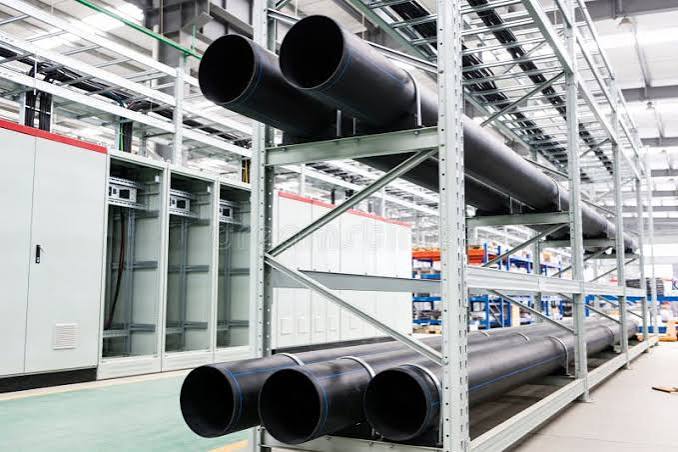
Water supply pipes: PVC pipes support water distribution networks in residential, commercial and municipal infrastructure.
Drainage systems: PVC materials provide solutions for wastewater management and building drainage.
Window and door profiles: Rigid PVC profiles offer durability and weather resistance for building applications.
Wall panels and flooring: PVC-based materials support interior construction and commercial flooring requirements.
Infrastructure development and housing construction therefore contribute to the wider demand for EDC through their consumption of PVC products.
Electrical and Telecommunications
PVC also plays an important role in electrical applications because manufacturers use suitable PVC formulations for insulation and protective coverings.
Common applications include:
Electrical wire insulation.
Cable jackets and protective coverings.
Electrical conduits.
Telecommunications cable components.
These applications connect PVC demand with electricity distribution, building development and telecommunications infrastructure.
Healthcare and Medical Products
The healthcare industry uses selected PVC formulations in medical products that require flexibility, durability and appropriate material performance.
Examples include medical tubing, fluid-handling components, selected medical bags and other healthcare products.
Manufacturers must select suitable PVC grades and formulations according to the applicable medical product requirements.
Packaging and Consumer Products
PVC also supports packaging and consumer-product manufacturing.
Its applications include selected packaging films, protective materials, household products and industrial components. Demand varies according to regional manufacturing activity and the availability of alternative materials.
Factors Influencing EDC Demand and Market Performance
EDC demand is closely connected to the performance of the PVC industry. Since most commercial EDC consumption supports VCM production, changes in downstream manufacturing activity can influence purchasing requirements.
Construction and Infrastructure Investment
Construction activity remains an important demand driver because PVC pipes, fittings, profiles and other building materials serve infrastructure projects.
Growing investment in water distribution, sanitation, housing and commercial construction can support PVC consumption. This creates additional requirements for VCM and subsequently EDC.
On the other hand, slower construction activity can reduce purchasing interest across the PVC supply chain.
Ethylene and Chlorine Availability
EDC production depends on the availability of its primary feedstocks.
Ethylene supply connects the EDC market with petrochemical production and broader oil and gas industry conditions. Chlorine availability also influences manufacturing economics because it forms an essential part of the production process.
Changes in feedstock prices, production capacity and plant operating conditions can influence the cost structure of EDC producers.
PVC Manufacturing Capacity
The operating performance of VCM and PVC manufacturing facilities directly affects EDC consumption.
When downstream facilities increase production, their EDC requirements may also rise. Conversely, production reductions, maintenance shutdowns or weaker PVC orders can reduce immediate demand.
Many producers operate integrated facilities that connect EDC, VCM and PVC production. This integration influences how manufacturers manage their raw material requirements and commercial supply arrangements.
International Trade and Regional Demand
EDC is traded internationally, with regional supply and demand conditions influencing purchasing decisions.
According to S&P Global's Chemical Economics Handbook, Northeast Asia is the largest EDC producing and consuming region, with mainland China representing a major share of regional activity.
The United States also remains an important producer, consumer and exporter.
These regional differences create opportunities for international chemical traders while making supplier availability, freight economics and regional manufacturing conditions important commercial considerations.
Supply Chain and Procurement Considerations for EDC Buyers
EDC procurement requires a clear understanding of its position within the chlor-vinyl supply chain. Buyers should consider both immediate material requirements and the commercial conditions affecting downstream production.
Several factors deserve attention when evaluating suppliers.
Supplier reliability: Assess whether the supplier has an established industrial supply operation and a consistent record of fulfilling commercial commitments.
Product specifications: Review the technical specifications and quality documentation relevant to the intended industrial application.
Supply continuity: Understand production schedules, contractual commitments and the supplier's ability to support recurring demand.
Logistics arrangements: Evaluate transportation availability, delivery schedules and the infrastructure required for regulated chemical shipments.
Regulatory compliance: Confirm that the relevant safety documentation, transportation requirements and applicable chemical regulations are addressed.
Commercial competitiveness: Compare quotations alongside delivery terms, payment conditions and overall procurement costs.
The Importance of Supplier Relationships
Long-term supplier relationships can support more predictable procurement planning for chemical manufacturers and distributors.
Buyers who depend on EDC for VCM-related production should consider maintaining reliable commercial relationships rather than focusing exclusively on individual purchase prices.
A broader supplier network can also help procurement teams evaluate regional sourcing opportunities and respond to changes in market availability.
Environmental and Regulatory Considerations
EDC is an industrial chemical that requires careful environmental and occupational management. Its toxic and flammable properties make regulatory compliance an important part of the manufacturing and supply chain.
Environmental authorities monitor relevant industrial activities to manage potential releases and protect workers and surrounding communities.
The US Environmental Protection Agency has addressed the risks associated with 1,2-dichloroethane under the Toxic Substances Control Act (TSCA), highlighting the importance of worker protection and appropriate chemical management.
For chemical manufacturers and buyers, important considerations include:
Compliance with applicable chemical regulations.
Appropriate safety data sheets and product documentation.
Environmental controls at manufacturing facilities.
Professional occupational safety programmes.
Compliance with applicable storage and transportation requirements.
Responsible management of industrial emissions and waste.
These requirements influence operating costs and supplier selection. Procurement teams should therefore consider regulatory performance as part of their overall supplier evaluation process.
What EDC Means for the Future of PVC Procurement
The commercial outlook for EDC remains closely linked to the development of the global PVC industry. Infrastructure investment, construction requirements and industrial manufacturing will continue to influence demand for PVC resin and its upstream chemical intermediates.
Asia's large production and consumption base makes the region particularly important to the EDC market. Meanwhile, integrated petrochemical facilities in other major producing regions contribute to international supply availability.
For procurement professionals, understanding the relationship between ethylene, EDC, VCM and PVC provides a clearer view of market movements. Monitoring feedstock availability, downstream production activity and regional trade conditions can help buyers make more informed sourcing decisions.
As the chemical industry develops, reliable supply relationships, transparent product documentation and competitive procurement arrangements will remain important for companies operating across the PVC value chain.
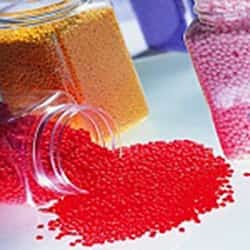
PVC Resin
Found this useful?