Ethylene Glycol and PVC Price Swings Reveal China’s Shift in Chemical Trade
Current Price Trends
Over the past quarter, ethylene glycol prices have climbed by roughly 12% while PVC has experienced a more modest 4% rise. These movements are not isolated market anomalies; they mirror broader shifts in China’s petrochemical output and export strategy.
Drivers of the Ethylene Glycol Surge
Ethylene glycol, a key feedstock for antifreeze, polyester fibers, and resin production, is tightly linked to global oil prices and refining capacity. The recent cupping in crude prices, coupled with a tightening of refinery schedules in the Gulf, has compressed margins for ethylene glycol producers in China. Suppliers have responded by raising prices, signaling a deliberate price‑signal strategy to manage inventory levels and protect profit marginsఖ.
PVC’s Steady Growth Amid Regional Demand
Polyvinyl chloride, the world’s most widely used polymer, has maintained steady demand in construction and packaging sectors across Southeast Asia. China’s pivot to higher‑value PVC derivatives, such as reinforced PVC and specialty coatings, has kept the market resilient. The modest price uptick indicates that supply remains aligned with demand; however, regional competition from Indonesia and Vietnam is intensifying.
Implications for China’s Chemical Export Matrix
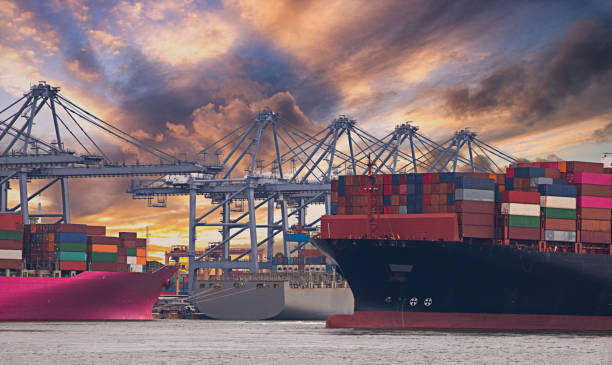
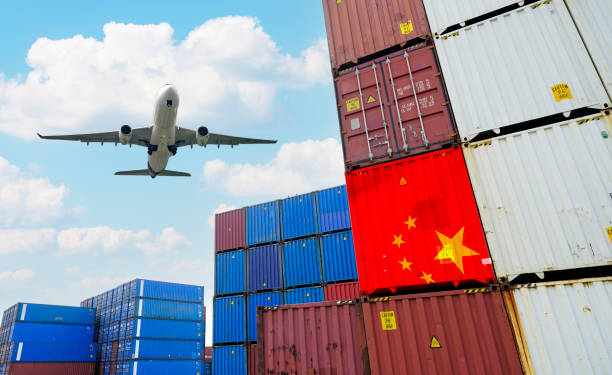
China’s chemical export portfolio is diversifying beyond traditional bulk commodities. The price signals suggest a strategic reallocation of production capacity from low‑margin ethylene glycol to higher‑margin PVC विशेषज्ञों. This shift aligns with China’s broader “ चमक” policy of moving up the value chain in petrochemicals.
Key Export Destinations
ASEAN – Growing construction and automotive markets drive PVC imports.
India – Rising demand for antifreeze and synthetic fibers fuels ethylene glycol trade.
Europe – Tight emissions regulations have spurred demand for advanced PVC composites.
Export Strategy Adjustments
Capacity Reallocation – Producers are shifting furnace capacity to PVC lines.
Pricing Differentiation – Tiered pricing based on delivery timelines mitigates price volatility.
Strategic Partnerships – Long‑term contracts with Asian manufacturers secure steady demand.
Impact on Global Procurement
يقلّ the dynamics in China ripple across global supply chains. Buyers in developed markets are recalibrating sourcing strategies to hedge against price swings. Key procurement tactics include:
Forward Contracts – Locking in prices for ethylene glycol to stabilize cost structures.
Supplier Diversification – Sourcing PVC from both Chinese and Indonesian producers to balance cost and risk.
Demand‑Side Flexibility – Adjusting product specifications to accommodate varying feedstock qualities.
Looking Ahead
Expect continued volatility in ethylene glycol as oil markets remain fragile, while PVC may benefit from an expanding construction sector in China’s inland provinces. Analysts forecast a potential 5‑7% price rise for PVC in the next six months if supply remains constrained. Conversely, ethylene glycol could see a temporary dip if refinery output rebalance occurs.
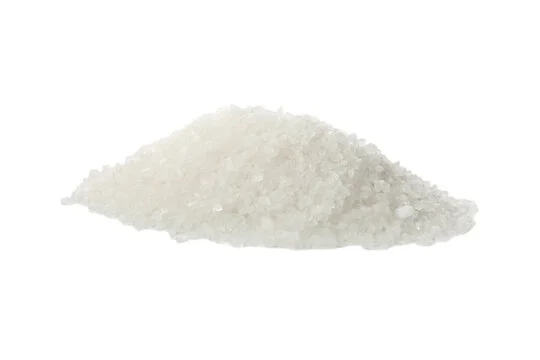
Ammonium Sulphate - Taiwan
Found this useful?