Ethylene: Production, Applications and Global Trade
Ethylene: Production, Applications and Global Trade
What Is Ethylene and Why It Is the Benchmark Chemical
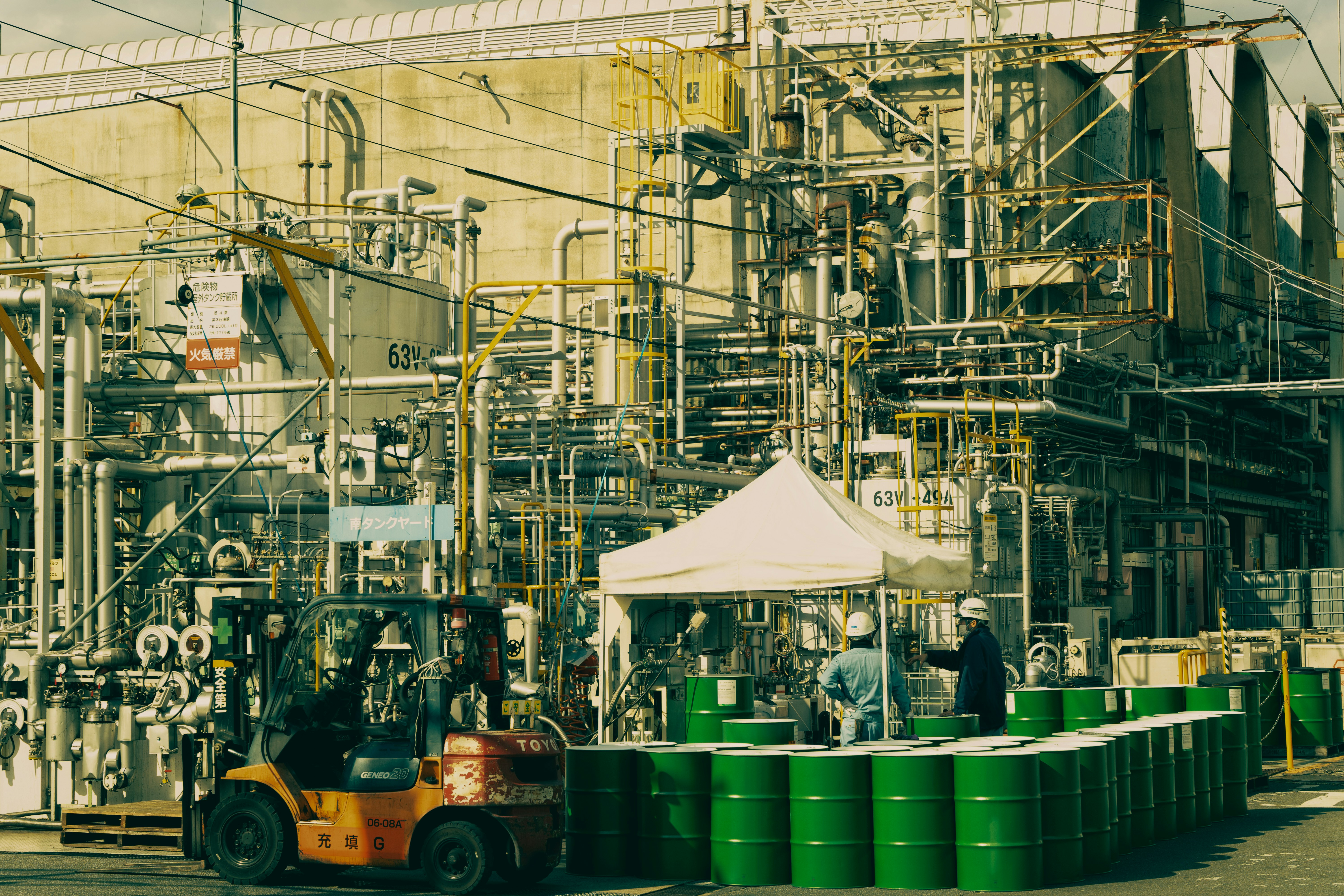
Ethylene (C2H4) is the highest-volume organic compound produced globally and the principal raw material for petrochemical derivatives, and its production, primarily via steam cracking of hydrocarbon feedstocks like naphtha and ethane, is energy-intensive and capital-heavy, making it a key indicator of industrial and economic development. Approximately 220 million tons of ethylene and 138 million tons of propylene are produced worldwide each year for use in synthesis of polyethylene, polypropylene, ethylene glycol, acetic acid, acetaldehyde, and a host of other substances, and ethylene, propylene, and butene are synthesized from C2 to C8 alkanes by a process called steam cracking at temperatures up to 900 °C. Ethylene is the most important organic chemical produced globally, and the dominant method for ethylene production is steam cracking (pyrolysis), where ethane, naphtha, propane, or gas oil are heated with steam to break long hydrocarbons into shorter olefins, with ethylene as the main product and propylene, butadiene, and aromatics as co-products.
Production: Steam Cracking, Feedstocks and Regional Shifts
Steam Cracking and Feedstock Choice
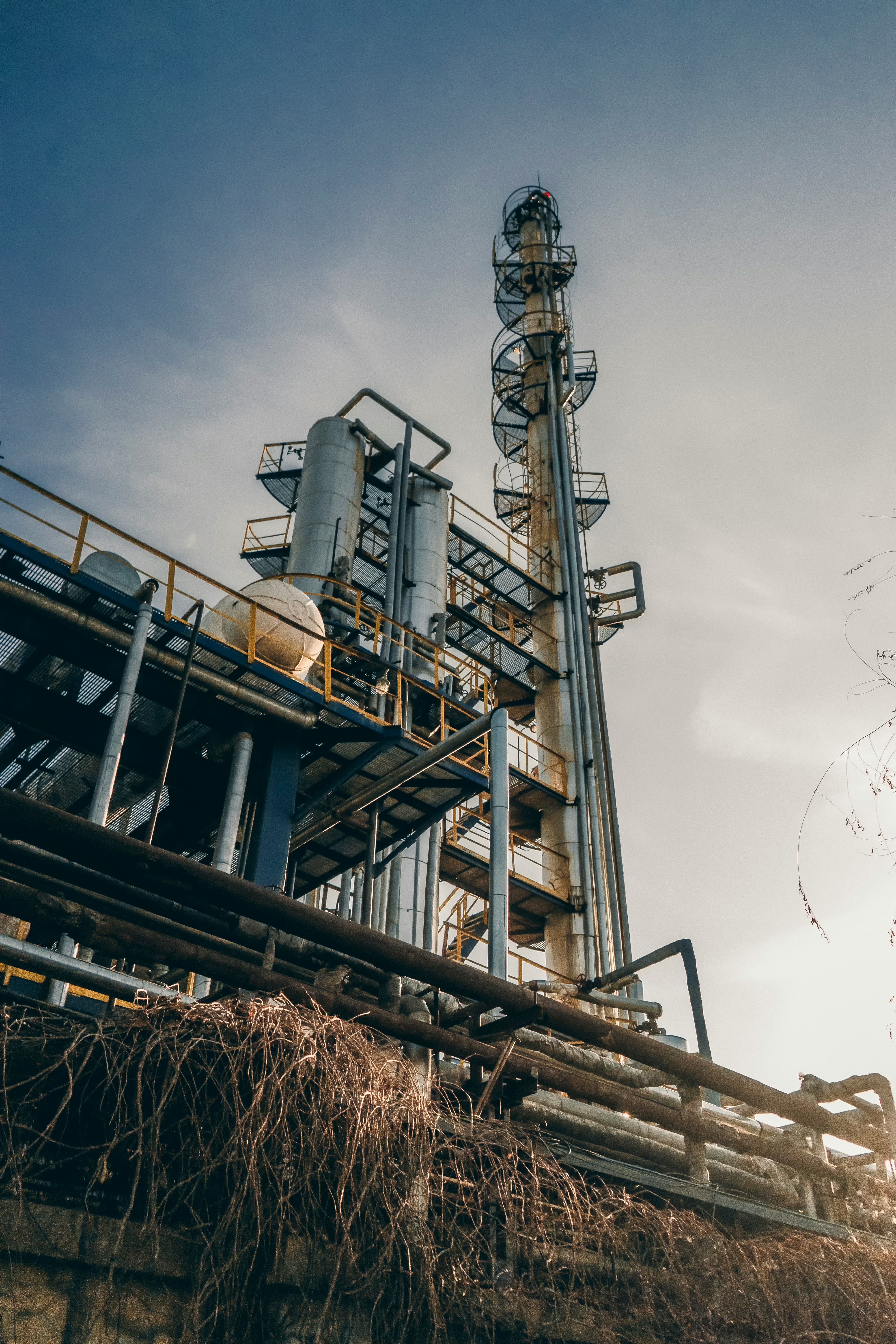
The dominant production method for ethylene is steam cracking, accounting for the majority of global capacity, and ethylene is produced commercially by steam cracking of a wide range of hydrocarbon feedstocks, from ethane in the US and Middle East, where shale gas and associated gas make ethane cheap, to naphtha in Europe and Asia, where naphtha cracking yields more propylene and aromatics. Steam cracking remains the dominant production route, and ethylene is produced predominantly through steam cracking, because no other process can match its scale, flexibility, and integration with refineries and downstream plants. Ethylene is a key petrochemical building block, produced primarily via steam cracking of hydrocarbon feedstocks, and major applications include polymer production for polyethylene HDPE, LDPE, LLDPE, intermediates such as ethylene oxide / ethylene glycol for antifreeze and PET, ethylbenzene / styrene for polystyrene, vinyl chloride for PVC, and linear alpha-olefins, as well as use as a plant hormone for fruit ripening.
Capacity, Trade and the Rise of Ethane
Ethylene and Propylene Market is being driven by rising demand for polyethylene and polypropylene across packaging, automotive, construction and consumer applications, with polyethylene and polypropylene representing 59% of combined market value in 2025, and packaging remaining the largest application, representing 32% of global plastics use. Because ethylene is a gas at ambient temperature and difficult to transport over long distances, most ethylene is consumed on-site or piped short distances to nearby derivative plants, and global trade is therefore mainly in derivatives like polyethylene, ethylene glycol, and PVC, rather than in ethylene itself, with some trade in liquefied ethylene by refrigerated ship for regions with deficit.
Main Applications: Polyethylene, EO/EG, PVC and Styrene
Polyethylene – The Largest Consumer
The single most important derivative is polyethylene (PE), which accounts for majority of global ethylene consumption, and ethylene is mainly used to make polyethylene (PE), which accounts for about 60% of world demand, with other major uses being ethylene oxide (EO), ethylene glycol (EG), polyvinyl chloride (PVC) and polystyrene (PS). Polyethylene (PE) is the largest consumer of ethylene, used in packaging, films, bottles, containers, and more, and different densities of PE — LDPE, HDPE, LLDPE — offer varying properties for flexible films, rigid bottles, pipes, and geomembranes. Ethene is primarily used in production of polyethylene, one of the most commonly used plastics, with annual production exceeding 150 million tonnes in earlier estimates, now over 220 million tonnes, showing how polyethylene demand drives ethylene capacity decisions.
Ethylene Oxide, Glycol, Vinyl Chloride and Styrene
Ethylene derivatives include ethanol, ethylene glycol, ethylene dichloride, acetaldehyde, acetic acid, ethylene oxide, vinyl acetate, polyethylene, and vinyl chloride, and produced from ethylene are chemicals like ethanol for solvent and cleaning, acetaldehyde, acetic acid for vinyl acetate polymers, ethyl acetate solvent and cellulose acetate, ethylene oxide for cellosolves industrial solvents, ethylene glycol for anti-freeze and Dacron polyester, ethylene dichloride for solvent and vinyl chloride, and vinyl chloride for polyvinyl chloride. Ethylene oxide is used for ethylene glycol for PET bottles and antifreeze, for ethoxylates in surfactants and detergents, and for sterilisation of medical devices, while ethylene dichloride is used for PVC, which is used in pipes, windows, cables, and construction, and ethylbenzene is used for styrene, which is used for polystyrene, ABS, and SBR rubber.
Global Trade, Outlook and Procurement Implications
Trade Patterns and Sustainability Pressures
Ethylene trade analysis shows that because ethylene itself is hard to ship, trade flows are in derivatives, with US and Middle East exporting polyethylene and ethylene glycol to Asia, and Asia importing large volumes of polyethylene for packaging and consumer goods, while Europe imports ethylene and polyethylene due to high energy costs and cracker closures. The Ethylene and Propylene Market is projected to grow at 5.1% CAGR, reaching USD 504.6 Billion by 2034, driven by packaging, automotive, and construction, but with pressure from plastic recycling, bio-based ethylene from ethanol, and carbon capture for steam crackers. For buyers, the key is to track ethane-naphtha spread, ethylene-polyethylene spread, and cracker operating rates, because these determine availability and price for polyethylene, MEG, and PVC, and to consider recycled polyethylene and bio-based ethylene as emerging alternatives for sustainable packaging.
Sources with Links:
Global Ethylene Market Report 2026 - Prices, Size, Forecast, and Companies – IndexBox – https://www.IndexBox.[STRIPPED 75 bytes] Ethylene Trade Analysis 2015-2024 (Full Report) – SV Trade Insights – https://www.svtradeinsights.com/product-page/ethylene-trade-analysis-2015-2024
European chemical profile: Ethylene – ICIS – https://www.icis.[STRIPPED 82 bytes] 7.1 Industrial Preparation and Use of Alkenes - Organic Chemistry – OpenStax – https://openstax.org/books/organic-chemistry/pages/7-1-industrial-preparation-and-use-of-alkenes
Ethylene and Propylene Market to Grow at 5.1% CAGR, Reaching USD 504.6 Billion by 2034 – Industry Today – https://industrytoday.co.uk/chemicals/ethylene-and-propylene-market-to-grow-at-51-cagr-reaching-usd-5046-billion-by-2034

RBD Palm Kernel Olein
Found this useful?