EU Protein Plan Controversy, Feed Versus Food and What It Means for Global Ingredient Buyers
The discussion around the EU Protein Plan has moved beyond agriculture and into global supply chain strategy. A growing number of stakeholders argue that current policies place greater emphasis on protein production for animal feed than on expanding protein sources for direct human consumption. That debate matters because procurement decisions made today can influence investment, innovation and international trade for years to come.
For traders, importers and procurement professionals, the issue extends well beyond politics. Changes in policy priorities can alter sourcing patterns, encourage new production investments and reshape demand across multiple protein ingredient markets.
Understanding the EU Protein Plan
The EU Protein Plan aims to strengthen Europe's protein supply while reducing dependence on imported raw materials. It encourages greater cultivation of protein-rich crops and supports research into more sustainable production systems.
Although the strategy covers a broad range of agricultural objectives, critics argue that a significant share of attention still focuses on improving the availability of ingredients used in livestock feed. Supporters respond that a resilient feed sector remains essential for food security because animal agriculture continues to supply meat, dairy and eggs across Europe.
Why the Feed Versus Food Debate Matters
The controversy reflects a broader question about how agricultural resources should be allocated.
Should investment primarily support crops that become livestock feed, or should greater emphasis be placed on protein ingredients intended for direct human consumption?
The answer influences several parts of the supply chain.
Companies investing in alternative proteins may seek greater policy support for food-grade ingredients.
Livestock producers require reliable feed supplies to maintain stable production and competitive pricing.
Ingredient processors often serve both food and feed markets, making balanced policy especially important.
Importers monitor policy developments because changing priorities can influence future purchasing volumes.
Market Impact on Protein Ingredient Trade
Protein markets have become increasingly interconnected. A change in one sector often affects another.
When governments encourage domestic protein production, international suppliers may experience shifts in export opportunities. Local cultivation can reduce dependence on imported materials for certain applications while increasing demand for specialized ingredients that remain difficult to source locally.
Procurement teams should also recognize that food manufacturers and feed producers frequently compete for similar agricultural resources. Increased demand from either sector can influence availability and pricing throughout the supply chain.
Plant Proteins Continue to Gain Attention
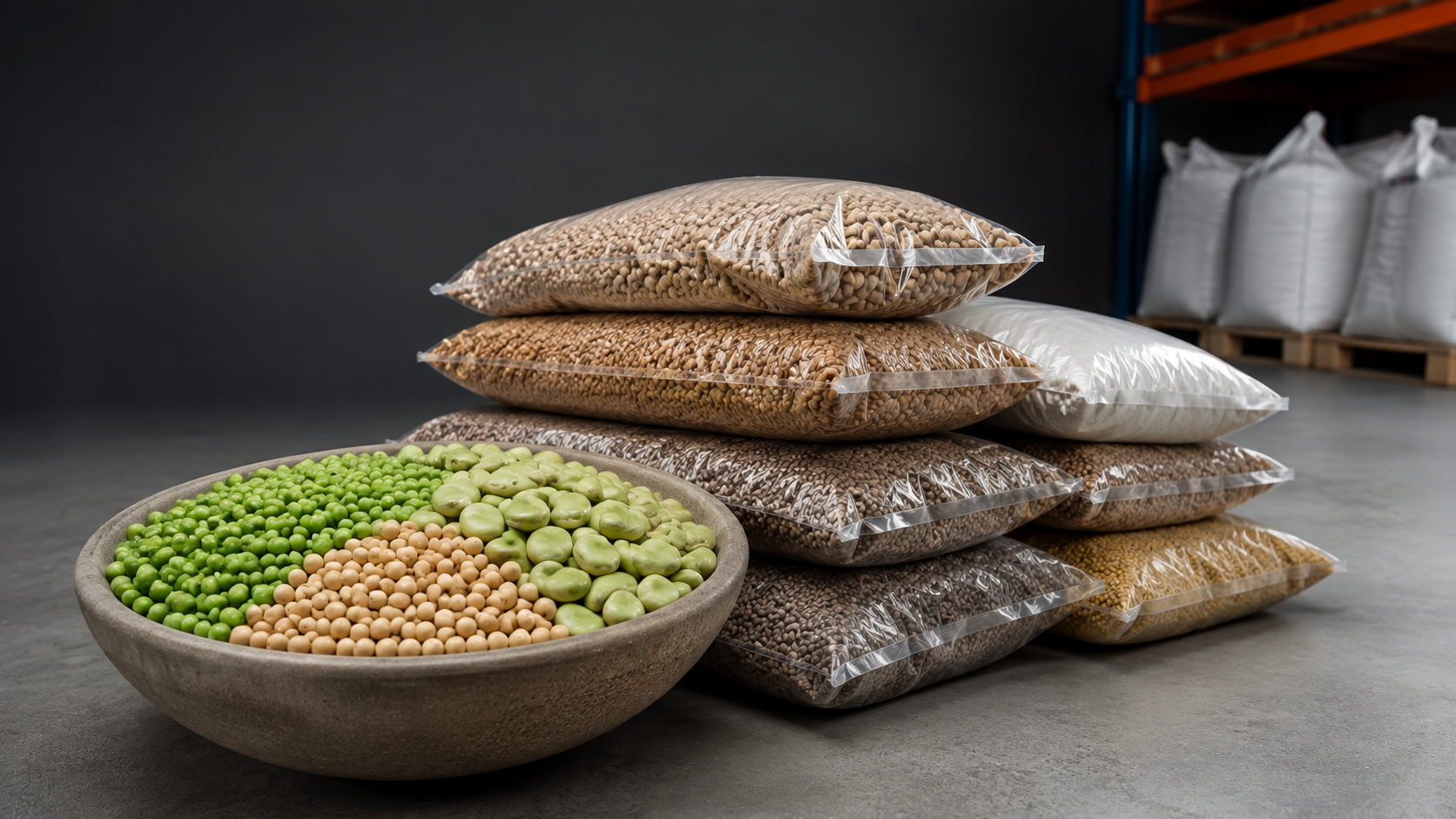
Growing consumer interest in plant-based nutrition has encouraged manufacturers to expand their product portfolios. Protein ingredients derived from peas, soybeans, lentils, chickpeas and fava beans continue to receive investment from both food producers and ingredient processors.
Several factors support this trend.
Consumers increasingly seek products with higher protein content.
Food manufacturers continue to develop new formulations using plant-derived ingredients.
Retailers have expanded shelf space for protein-rich food products.
Research continues to improve taste, texture and processing efficiency.
These developments do not eliminate demand for animal feed proteins. Instead, they broaden the range of markets competing for agricultural resources.
Procurement Challenges Across Feed and Food Markets
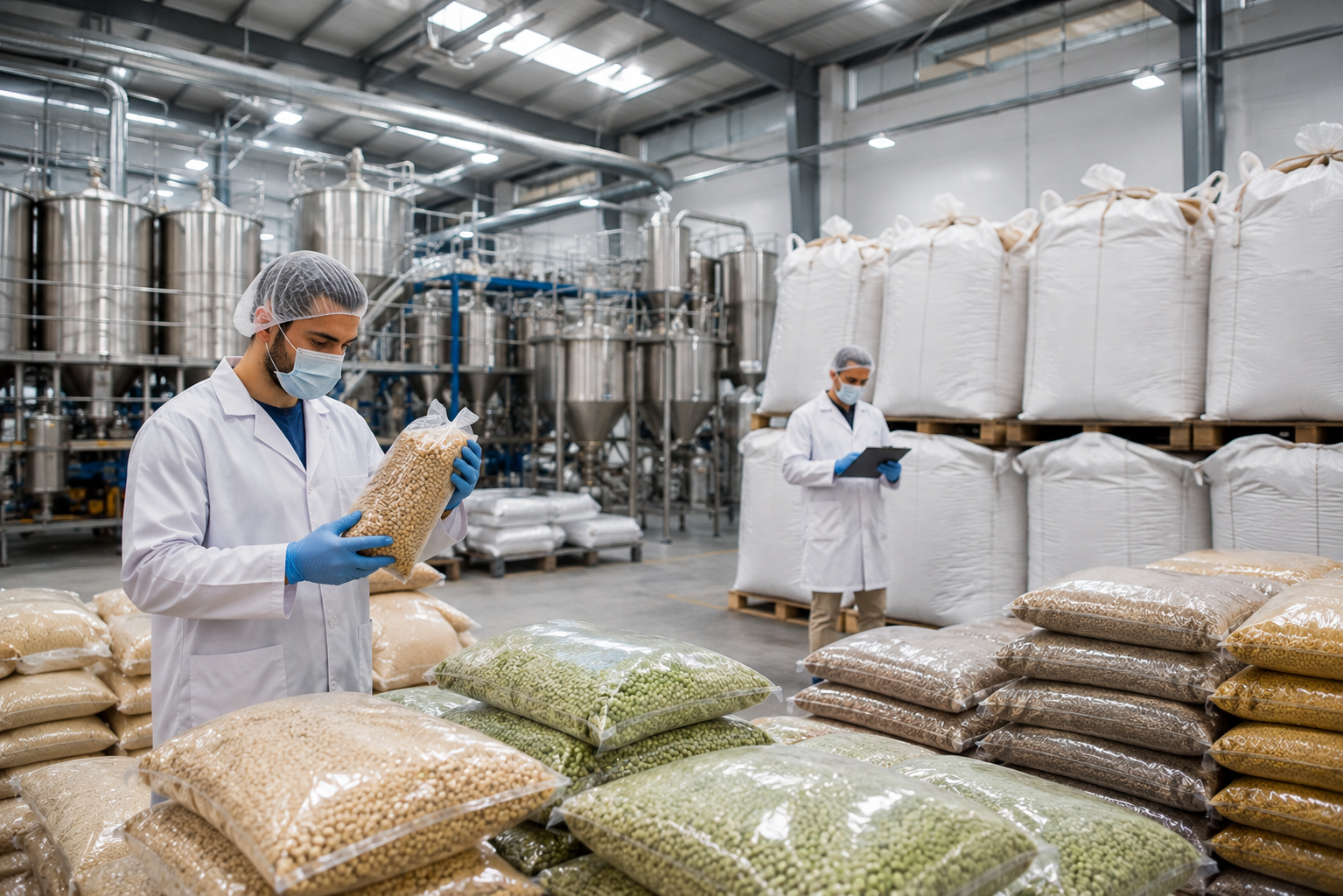
Purchasing teams face a more complex sourcing environment than in previous years. They must evaluate not only price but also quality, traceability and long-term supply security.
Common procurement priorities include:
Supplier reliability and consistent production capacity.
Compliance with applicable food or feed regulations.
Transparent documentation and product traceability.
Flexible logistics capable of supporting changing demand.
Diversified sourcing strategies that reduce dependence on a single origin.
Companies that monitor these factors closely often respond more effectively to market disruptions.
Sustainability Is Influencing Investment Decisions
Sustainability has become an important purchasing consideration across agricultural supply chains.
Manufacturers increasingly evaluate environmental performance alongside cost and product quality. Crop rotation, efficient land use, reduced emissions and responsible sourcing practices have become important discussion points when selecting long-term suppliers.
Many businesses also recognize that waste reduction and better resource utilization can improve operational efficiency while supporting corporate sustainability goals.
How Global Suppliers May Respond
International exporters continue adapting to changing customer requirements.
Some suppliers are investing in higher value protein ingredients for food applications. Others continue expanding production capacity for livestock nutrition, reflecting ongoing demand from feed manufacturers around the world.
Rather than viewing these markets as competitors, many businesses now develop flexible production systems capable of serving both customer groups depending on market conditions.
Regulatory Expectations Continue to Evolve
Companies participating in European supply chains should remain aware of evolving regulatory requirements.
Areas receiving increased attention include product quality, traceability, sustainability reporting and responsible sourcing practices. Importers that maintain thorough documentation often experience smoother purchasing processes and stronger relationships with customers.
Working closely with experienced logistics providers and quality assurance teams also helps reduce commercial risk during international transactions.
What Buyers Should Watch Going Forward
The discussion surrounding the EU Protein Plan is unlikely to disappear soon. Policymakers, agricultural organizations, food manufacturers and feed producers all have legitimate interests in shaping Europe's future protein strategy.
Procurement professionals should avoid viewing the issue as a simple choice between feed and food. Both sectors remain essential to global agriculture and both require reliable supply chains.
The most successful buyers will continue monitoring policy developments while maintaining diversified supplier networks, evaluating long-term sourcing opportunities and investing in partnerships that provide flexibility during changing market conditions.
Ready to source protein ingredients from verified global suppliers? Explore competitive offers on our platform today.

Soya Lecithin
Found this useful?