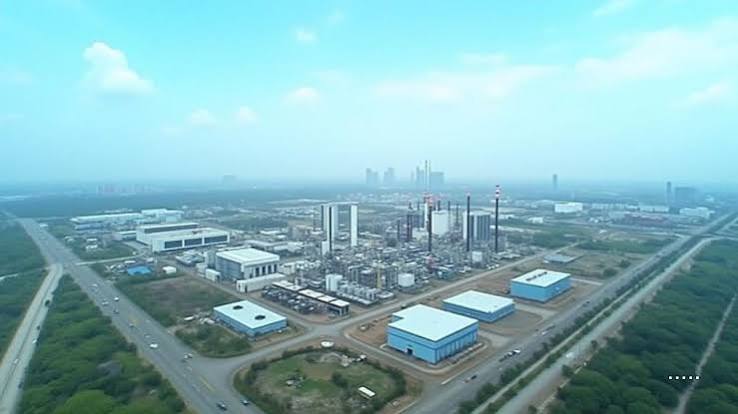
EU Sustainable Aviation Fuel Supply Surpassed the 2025 ReFuelEU Target
EU sustainable aviation fuel supply has moved ahead of the mandatory 2025 ReFuelEU target, giving the European aviation fuel market an important early demand signal. The European Union Aviation Safety Agency reported that actual SAF supply exceeded the required blending level, indicating that market participants delivered more sustainable aviation fuel than the regulatory floor required.
For chemical traders and fuel procurement teams, the development matters beyond aviation. Higher-than-required SAF offtake can strengthen demand for eligible feedstocks, processing capacity and associated chemical inputs while encouraging suppliers to secure longer-term positions in a market shaped by increasingly stringent emissions requirements.
SAF Supply Moves Beyond the Regulatory Floor
The ReFuelEU Aviation framework establishes minimum sustainable aviation fuel requirements for the European aviation sector. The 2025 target created an initial mandatory level for SAF use, giving airlines, fuel suppliers and airports a defined starting point for market development.
Actual supply exceeding that requirement suggests that the market did not simply meet the regulatory minimum. Airlines and fuel suppliers collectively supported SAF volumes above the mandated level, creating an early indication of additional demand within the European aviation fuel chain.
For traders, the distinction between mandated demand and actual demand is important. A market that consistently exceeds regulatory thresholds can create additional commercial opportunities for producers and suppliers with access to qualifying feedstocks and scalable production.
What the 2025 SAF Milestone Means for Chemical Markets
SAF production connects the aviation sector with several parts of the broader chemical and industrial supply chain. Depending on the production pathway, manufacturers require different feedstocks, processing technologies and supporting materials.
The increase in SAF supply can therefore affect procurement considerations beyond the finished fuel itself. Buyers may need to evaluate:
Feedstock availability: Sustainable raw materials must remain available at commercially viable prices as SAF production expands.
Processing capacity: Refining and conversion capacity must grow alongside demand to prevent supply bottlenecks.
Logistics: SAF requires reliable movement between production sites, storage facilities, airports and blending locations.
Quality requirements: Suppliers must meet fuel specifications and sustainability criteria before material can enter the aviation supply chain.
Contract structures: Long-term offtake agreements can become increasingly important as producers finance additional capacity.
This creates a broader procurement ecosystem in which chemical and energy traders can monitor SAF development as a potential driver of demand for related materials and services.
ReFuelEU Creates a Growing Market Signal
The significance of the 2025 result extends beyond the volume supplied during the year. Regulatory blending requirements provide market participants with greater visibility into future demand because minimum SAF obligations increase over time.
When actual supply moves above the required threshold, suppliers gain evidence that demand can develop beyond the minimum regulatory requirement. That can influence investment decisions around production facilities, feedstock sourcing and infrastructure.
For procurement managers, this environment makes forward planning increasingly important. Purchasing decisions based only on current SAF requirements may overlook additional demand created by airlines, corporate sustainability commitments and voluntary decarbonisation initiatives.

Feedstock Procurement Becomes More Important
SAF is not produced from a single raw material. Different approved pathways can use waste oils, fats, agricultural residues and other eligible feedstocks, creating distinct sourcing requirements for producers.
As demand increases, competition for suitable raw materials can influence production economics. Chemical traders operating across agricultural, oleochemical and industrial markets can therefore watch SAF demand for potential changes in feedstock availability and pricing.
Procurement teams should pay particular attention to the origin, sustainability characteristics and traceability of potential inputs. A material that appears commercially attractive may not qualify for a specific SAF pathway or regulatory requirement.
Traceability is becoming a commercial requirement rather than simply a documentation exercise. Buyers increasingly need visibility across the supply chain to support compliance and demonstrate the sustainability credentials of supplied materials.
Regional Supply Chains Will Shape SAF Trading
Europe's SAF market depends on a network that extends beyond individual airports. Production facilities, feedstock suppliers, refiners, storage terminals, ports and airlines all contribute to the physical supply chain.
International trade can become particularly relevant when domestic production cannot satisfy regional demand. Importers and exporters may find opportunities in supplying qualifying feedstocks or finished SAF from markets with suitable production economics and logistics infrastructure.
Several factors can affect the attractiveness of a supply route:
Port infrastructure: Efficient terminals can reduce handling constraints for large-volume shipments.
Storage capacity: SAF and related feedstocks require appropriate storage and segregation arrangements.
Distance to blending locations: Transport costs can materially affect delivered economics.
Certification requirements: Documentation must support eligibility under applicable sustainability rules.
Supply reliability: Buyers may prioritize consistent delivery over opportunistic spot purchases.
These considerations make SAF a market where commercial competitiveness depends on more than the headline product price.
Airlines and Fuel Suppliers Face Changing Procurement Priorities
The reported overachievement of the 2025 target provides airlines and fuel suppliers with an additional market signal. Procurement strategies may increasingly focus on securing sufficient SAF volumes ahead of future regulatory requirements rather than relying entirely on short-term purchases.
Long-term contracts can offer producers greater revenue visibility while giving buyers greater confidence in future availability. However, contract negotiations also need to address feedstock origin, sustainability certification, delivery schedules and applicable quality specifications.
For chemical traders entering the SAF value chain, understanding these commercial requirements can help identify where conventional commodity trading models differ from sustainability-linked fuel procurement.
Sustainability Requirements Influence Product Selection
SAF procurement involves more than identifying a fuel that can technically enter an aviation supply chain. Buyers also need to consider the sustainability attributes associated with its production pathway and feedstock.
This can create differentiation between otherwise similar commercial products. Producers with strong traceability systems and access to qualifying feedstocks may be positioned to address buyers seeking documented sustainability performance.
For traders, that means product specifications should include more than conventional parameters. Documentation, certification and chain-of-custody information can become important parts of the commercial offer.
What Traders Should Watch Through 2026 and 2027
The 2025 supply result gives market participants several indicators to monitor as European SAF demand develops further.
Key areas include:
Actual SAF consumption versus mandatory volumes: Continued overachievement could indicate that demand is developing beyond the regulatory baseline.
New production capacity: Additional facilities can change regional supply balances and influence feedstock competition.
Feedstock prices: Increased demand for eligible raw materials may affect pricing across connected agricultural and oleochemical markets.
Import and export flows: Cross-border movement can become more significant as European buyers seek reliable supply.
Airline contracting activity: Longer-term offtake agreements can provide signals about expected future procurement requirements.
Regulatory implementation: Changes in eligibility rules and sustainability requirements can directly influence which materials qualify for the market.
These factors can help procurement professionals distinguish between temporary supply movements and structural changes in SAF demand.
The Bottom Line for Procurement Teams
The European Union's reported SAF supply performance in 2025 shows that the market can move beyond the minimum level established by regulation. For chemical traders and procurement teams, that creates a useful signal to monitor SAF-linked feedstocks, processing capacity and cross-border supply opportunities.
Companies participating in the wider value chain should evaluate supplier reliability, traceability, logistics and sustainability credentials alongside price. Early preparation can also help buyers respond to increasing demand as European aviation fuel requirements continue to develop.
For suppliers, the opportunity lies in building dependable access to qualifying materials and maintaining documentation that supports increasingly detailed procurement requirements. For buyers, the focus should remain on securing commercially competitive supply without overlooking the specifications and sustainability criteria that determine market eligibility.

Refined Coconut Oil
Found this useful?