European Steam Cracker Operating Rates Adjust to Higher Naphtha Costs
European Steam Cracker Operating Rates Adjust to Higher Naphtha Costs
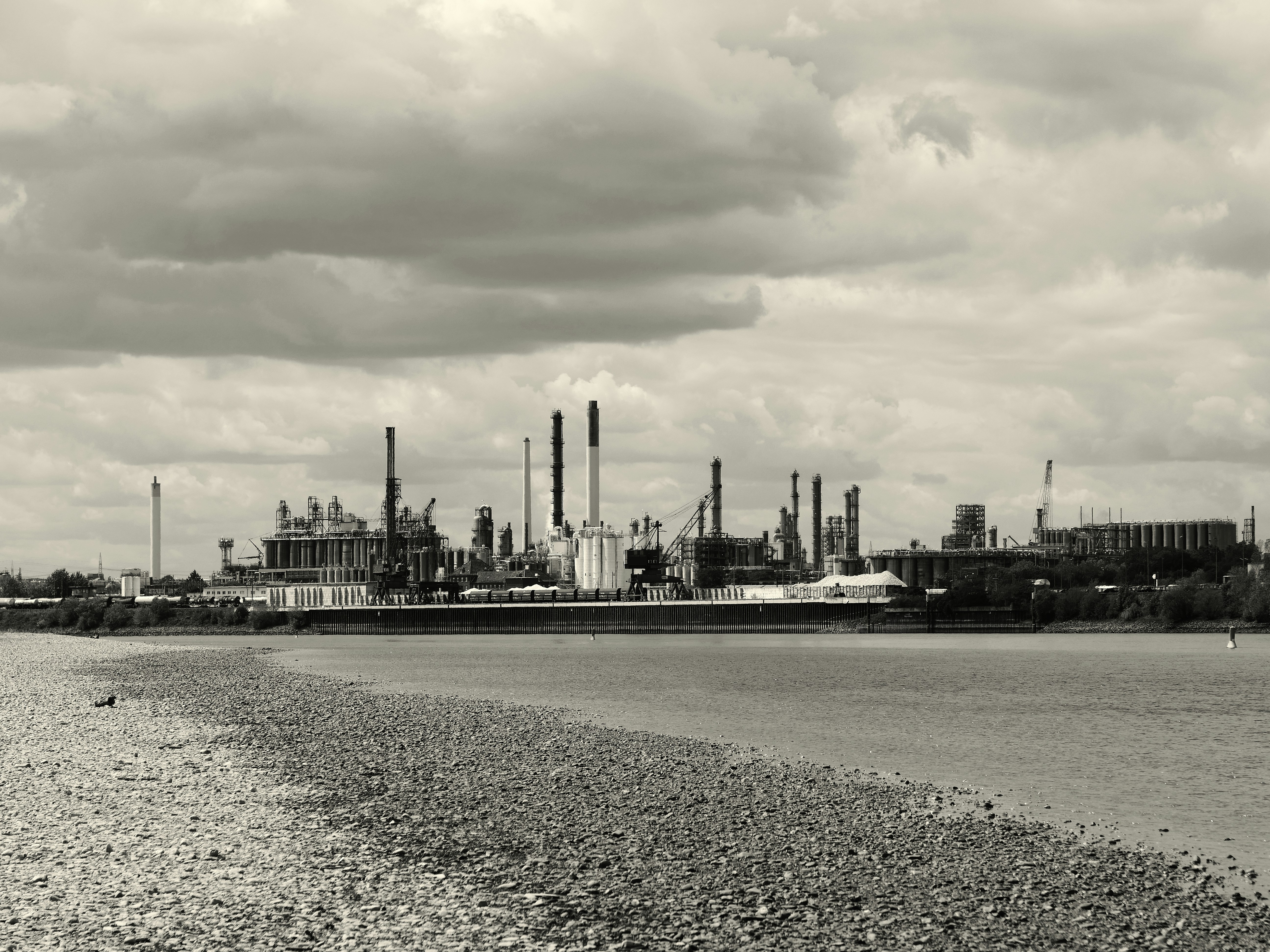
European steam crackers are responding to the jump in naphtha costs that has accompanied Brent’s return above $100 a barrel by adjusting operating rates. Most of the region’s ethylene capacity remains naphtha-based or naphtha-flexible; when feedstock prices rise faster than the value of the olefin and co-product slate, variable margins compress and higher-cost units are turned down or taken offline. The adjustment is a classic feature of the European petrochemical cycle, yet each episode of elevated oil-linked costs renews the pressure on utilisation, derivative balances and the relative competitiveness of European production against ethane-advantaged regions.
The scale and speed of the rate response depend on the depth of the margin squeeze, the strength of downstream polymer and intermediate demand, and the ability of individual sites to shift toward LPG or other alternative feeds. In the current environment, the combination of high naphtha flat prices and only partial pass-through into polyethylene, polypropylene and other derivatives has left many operators with limited room to maintain high run rates.
Naphtha Cost Pressure and Margin Arithmetic
European naphtha prices track crude and the regional gasoline and petrochemical complex. A sustained move in Brent to $100-plus lifts the cash cost of naphtha cracking almost immediately. Co-product credits from propylene, butadiene, benzene and pygas provide an offset, but they move according to their own supply–demand dynamics and rarely rise in lockstep with feedstock. When derivative markets are already well supplied or demand is cautious, the net cracking margin narrows and, for some units, turns negative on a variable-cost basis.
At that point the rational response is to reduce rates. Fixed costs continue, yet every incremental tonne produced at a negative variable margin increases cash losses. Operators therefore prioritise the most efficient furnaces and the sites with the best downstream integration or co-product placements, while higher-cost or less-flexible capacity is curtailed.
Feedstock Flexibility as a Partial Buffer
Not all European crackers are pure naphtha consumers. Many have the technical ability to crack propane, butane or other LPG streams. When naphtha becomes expensive relative to LPG, these flexible plants shift their slate to protect margins. The availability and pricing of LPG therefore become secondary variables that determine how much of the oil-driven cost increase can be mitigated. Plants without meaningful flexibility remain fully exposed and are more likely to cut rates first.
Even flexible crackers face limits. LPG supply is finite, logistics and storage constraints apply, and simultaneous demand from other users (including alternative petrochemical and fuel outlets) can keep LPG prices elevated. Flexibility dampens the impact of high naphtha costs; it does not eliminate it.
Downstream Demand and Pass-Through Limits
The willingness of polymer and intermediate buyers to accept higher prices governs how quickly margins can recover. In a soft demand environment, converters resist increases and producers absorb more of the feedstock shock. European polyethylene and polypropylene markets have, at various points in the recent cycle, shown limited ability to absorb rapid cost-driven price rises, leaving cracker operators with the choice of lower margins or lower volumes. Most choose a combination of both: modest rate reductions paired with attempts to lift offers where customer contracts and market conditions allow.
Export markets offer limited relief. Higher European cash costs reduce the competitiveness of European derivatives against material from regions with advantaged feedstocks, particularly the US Gulf Coast. Net export volumes can decline, adding further pressure on domestic operating rates.
Regional and Site-Level Differentiation
Within Europe the impact is not uniform. Coastal crackers with good logistics and access to imported naphtha or LPG differ from inland units more dependent on local refinery supply. Sites integrated with refineries may manage naphtha costs internally as a transfer price, yet they still face the opportunity-cost decision of whether to run the cracker or redirect molecules to the fuel pool. Newer, more energy-efficient plants retain a cost edge over older assets and are more likely to remain at higher utilisation.
These differences produce a stepped response: the highest-cost and least-flexible capacity is reduced first, followed by broader cuts if the margin environment remains unfavourable for an extended period.
Outlook
European steam cracker operating rates will continue to adjust to the level of naphtha costs set by the oil market. As long as Brent remains elevated and derivative prices lag, utilisation will stay under pressure and higher-cost units will remain vulnerable to curtailment. Feedstock flexibility and downstream integration provide the main buffers; pure naphtha crackers with limited co-product strength face the greatest challenge. The rate adjustments themselves eventually tighten olefin supply and can support a partial margin recovery, yet that process takes time and depends on demand remaining at least stable. Until oil-linked feedstock costs retreat or polymer markets strengthen sufficiently to restore spreads, European cracker operating rates will remain a direct function of naphtha economics.
Sources
Sodium Metabisulfite (E223)
Found this useful?