Europe's cracker closures and the deindustrialization debate
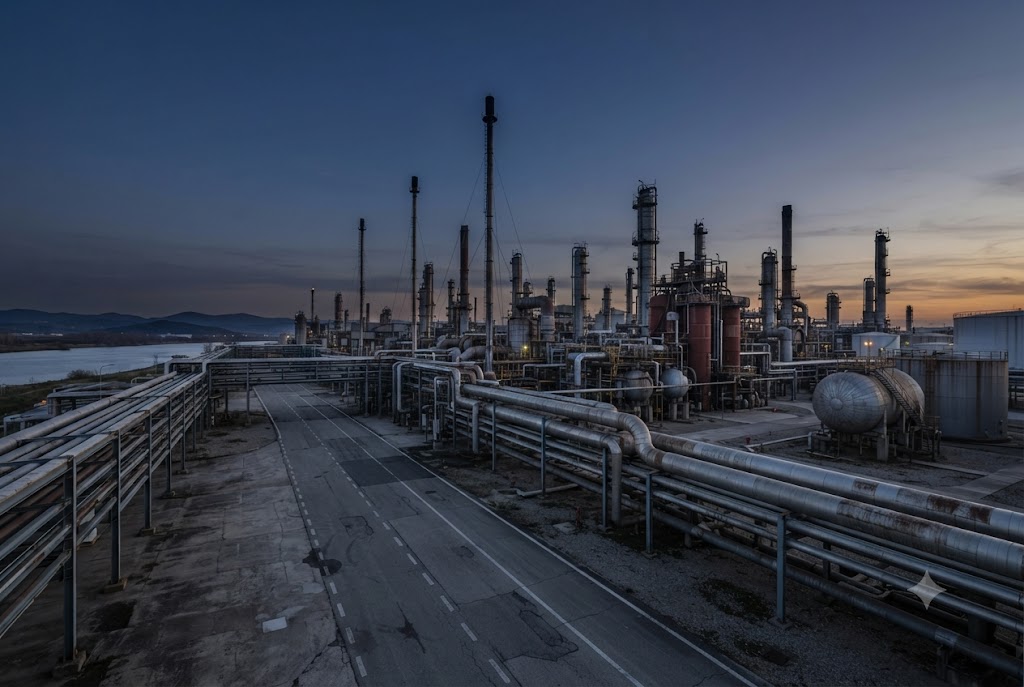
European chemical producers are permanently shutting basic production assets at a pace unseen in decades. The ongoing wave of Europe cracker closures signals a structural shift rather than a temporary market dip.
High natural gas prices and relentless import competition from Asia force operators to divest or idle their oldest naphtha-fed units. This deindustrialization debate now dominates boardrooms from Ludwigshafen to Antwerp.
Buyers of ethylene, propylene and downstream polymers face a shrinking regional supply base. The sections below explore why these plants close and what the supply gap means for global trade flows.
Procurement managers must rewrite their sourcing strategies to account for permanent capacity loss. Relying solely on local contracts no longer guarantees supply security in this shifting landscape.
Why High Energy Costs Force Europe Cracker Closures
European steam crackers consume massive amounts of heat to break naphtha into lighter olefins. Natural gas and electricity prices in the region remain structurally higher than in the United States or the Middle East.
This energy premium destroys the operating margin for older facilities. Producers cannot pass these utility costs onto buyers when cheap imported polymers flood the market.
Management teams now evaluate every asset against its specific energy intensity. Plants with outdated furnaces and poor heat integration fail the profitability test and face immediate divestment or closure.
The situation worsens during winter months when heating demand spikes across the continent. Grid operators prioritize residential heating and force heavy industrial users to curtail production or pay extreme spot power prices.
The Impact of Chinese Competition on European Margins
China built enormous new cracker and polymer capacity over the last five years. That massive domestic surplus now spills over into export markets and lands directly on European docks.
Asian producers ship polyethylene and polypropylene at prices that barely cover their own feedstock costs. European naphtha crackers simply cannot match these landed prices while paying local utility and labor rates.
The margin squeeze forces a brutal rationalization process. Operators shut their least competitive lines first and consolidate remaining volume into their newest and most efficient sites.
This dynamic leaves European producers defending only their most specialized grades. Commodity polymers face immediate import substitution and see the fastest capacity reductions across the entire region.
Which Basic Chemical Assets Face the Highest Closure Risk
Not every plant faces the same threat level in the current market. The closure risk concentrates heavily on older naphtha crackers and specific downstream derivative units.
Older ethylene plants: Facilities built before 2005 lack the furnace efficiency and scale required to survive the current energy regime.
Chlor-alkali units: These highly electricity-intensive assets shut down rapidly whenever local power grids spike in price.
Commodity polymers: Basic grades of polystyrene and polyvinyl chloride face immediate import substitution and see the fastest capacity reductions.
Specialty chemicals and high-performance materials remain safe for now. Producers retain these assets because they command premium pricing and require deep technical support that importers cannot easily replicate.
The Shift from Naphtha to Imported Ethane and Derivatives
Some European operators attempt to survive by changing their feedstock diet. They invest in terminal infrastructure to import cheap ethane from the United States and crack it alongside naphtha.
This strategy lowers the carbon intensity and improves the cash cost of the remaining assets. However the capital expenditure required to modify old furnaces rarely yields a fast enough return on investment.
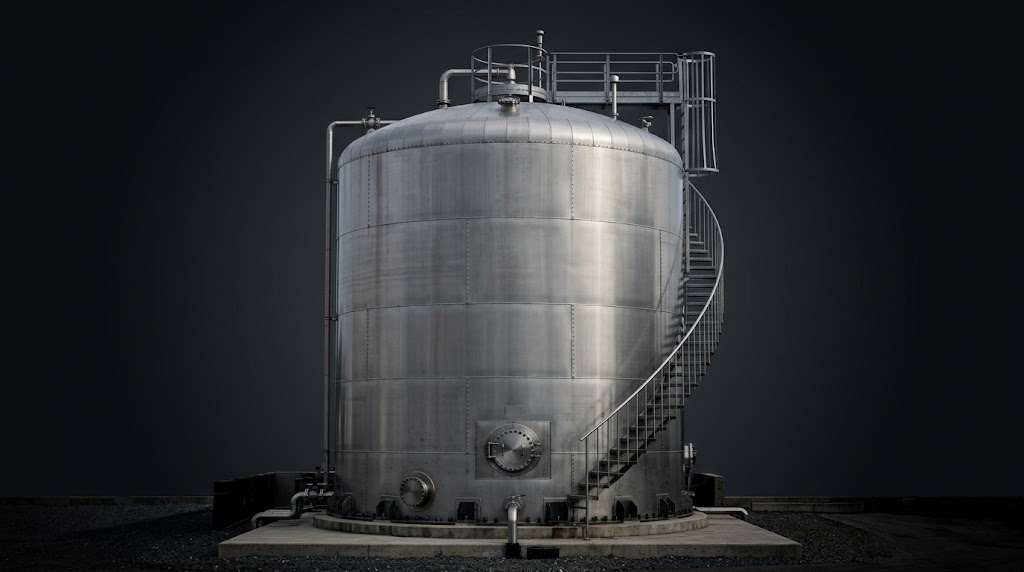
The transition changes the physical flow of chemicals across the continent. Pipelines that once carried raw naphtha now sit idle while new storage tanks for imported liquid ethane and finished resins fill the landscape.
The Deindustrialization Debate and Policy Responses
Industry leaders warn that losing basic chemical production hollows out the entire manufacturing base. Downstream automotive and packaging companies eventually lose their local feedstock supply and must import finished goods instead.
Policymakers debate state aid and energy subsidies to slow the exodus. However most industry buyers recognize that government support cannot permanently bridge the massive cost gap against gas-fed competitors.
The market accepts deindustrialization as a permanent reality for basic commodities. Europe will likely transition into a net importer of primary olefins and polymers while focusing domestic investment strictly on specialty formulations.
Trade unions and local governments push back against these plant closures to protect industrial jobs. Yet the fundamental economics of global chemical production dictate that capital will always flow toward the lowest cost regions.
How Downstream Converters React to Local Supply Loss
Packaging and automotive parts manufacturers feel the immediate impact of local cracker closures. They must secure new supply lines from overseas to keep their own extrusion and moulding lines running.
This shift forces converters to hold higher inventory levels to buffer against shipping delays. Ocean freight from the Middle East or the Americas takes several weeks longer than a truck delivery from a neighbouring country.
Many downstream companies respond by forming joint purchasing consortiums. These groups combine their volume to negotiate better freight rates and secure priority allocation from large overseas petrochemical producers.
The Role of Carbon Taxes in Accelerating Plant Closures
The European carbon pricing mechanism adds another heavy burden to local production costs. Steam crackers emit significant amounts of carbon dioxide during the high-temperature cracking process and face steep penalties for those emissions.
Producers argue that this carbon cost makes them uncompetitive against imports from regions with lax environmental rules. They lobby heavily for a carbon border adjustment mechanism to level the playing field for imported polymers.
Investors now refuse to fund any capital upgrades for high-carbon naphtha crackers. They redirect their capital toward recycling facilities and bio-based polymer projects that align with regional sustainability targets.
How Supply Rationalization Changes Polymer Trade Flows
The closure of regional capacity opens a massive vacuum for overseas suppliers. Middle Eastern and US Gulf Coast producers quickly step in to fill the void with their low-cost ethane-derived material.
Shipping routes adjust to serve this new demand pattern. Tanker and container traffic from the Middle East and North America to Northwest Europe increases steadily each quarter.
Traders play a much larger role in this new environment. Buyers rely on trading houses to secure flexible origin options and manage the complex logistics of importing basic polymers from overseas.
What Procurement Teams Must Do to Secure Feedstock
Relying on a single local supplier creates unacceptable risk in a shrinking market. Procurement teams must build a diversified portfolio that blends local production with reliable import channels.
Qualify overseas origins early: Test US and Middle Eastern material in your production lines before you actually need to switch suppliers.
Negotiate flexible volume terms: Avoid strict take-or-pay contracts with local producers who might announce sudden force majeure or permanent shutdowns.
Monitor utility markets: Track regional electricity and natural gas prices to anticipate which local plants might curtail production next.
Securing supply now requires looking far beyond the traditional regional map. The most resilient buyers treat the entire globe as their potential supply base and adapt their logistics networks accordingly.
The Bottom Line for Chemical Buyers in Europe
The structural decline of basic European chemical production is already underway and will not reverse. High energy costs and global overcapacity ensure that further cracker closures will dominate industry news for the rest of the decade.
Smart buyers use this transition to lock in long-term import agreements and build robust logistics networks. Adaptability and global reach now define success in polymer procurement.
Ready to source low density polyethylene from verified global suppliers? Explore competitive offers on our platform today.
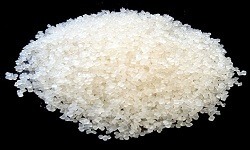
Linear-Low Density Polyethylene (LLDPE)
Found this useful?