Evonik's $100 Million Tippecanoe Labs Investment Signals Stronger API Manufacturing in the US
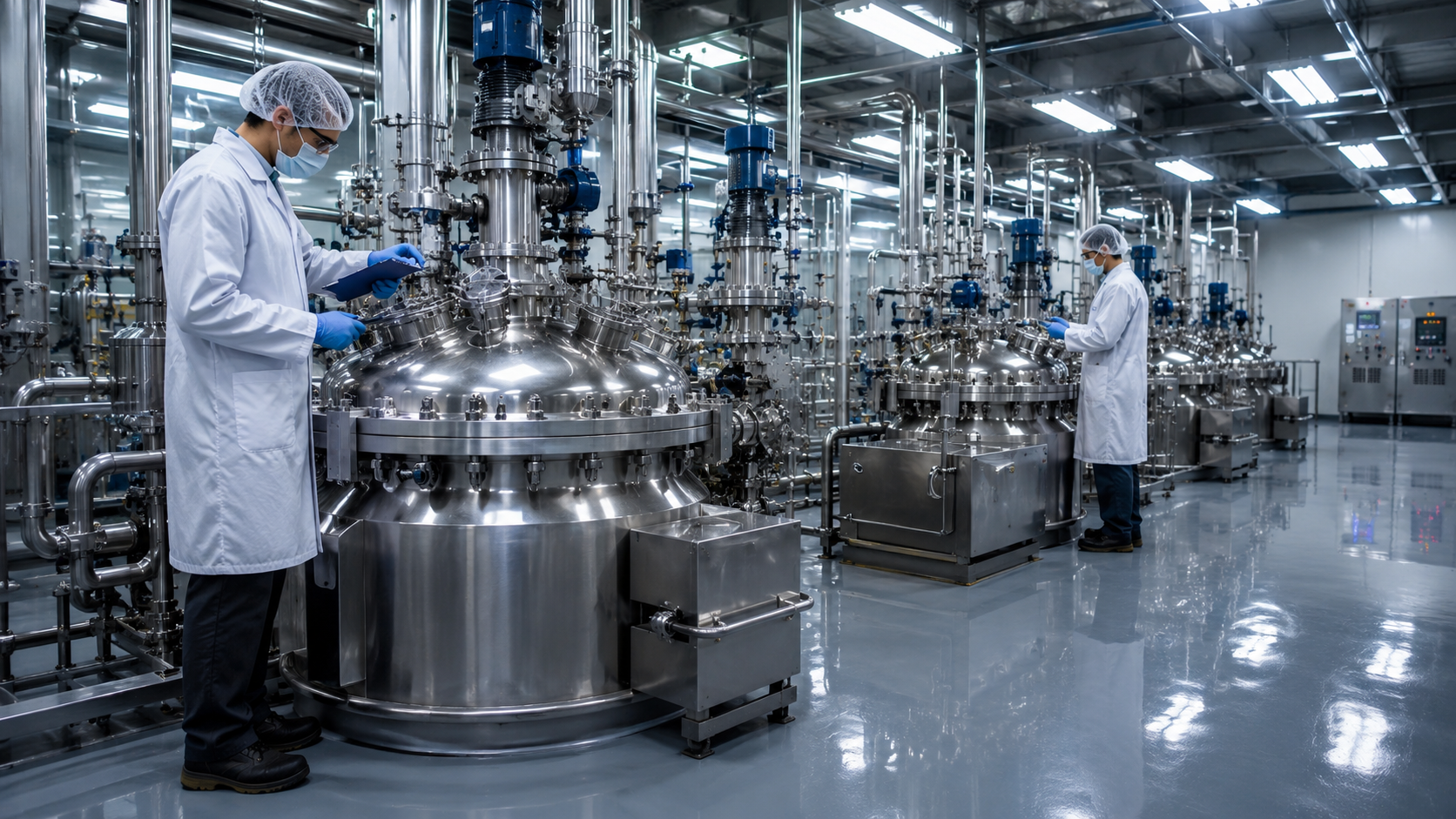
Evonik's announcement of a $100 million investment in its Tippecanoe Labs facility in Lafayette, Indiana marks another significant commitment to strengthening pharmaceutical manufacturing in the United States. Spread over the next five years, the investment will modernize the site's active pharmaceutical ingredient, or API, production capabilities and reinforce the company's long-term manufacturing strategy.
For pharmaceutical manufacturers, chemical suppliers and procurement professionals, this development extends beyond a single facility upgrade. It reflects growing industry efforts to improve manufacturing efficiency, secure supply chains and increase domestic production of critical pharmaceutical ingredients.
Why API Manufacturing Remains a Strategic Priority
Active pharmaceutical ingredients form the foundation of every finished medicine. Their quality, consistency and availability directly influence pharmaceutical production, regulatory compliance and patient supply.
Modern API facilities require advanced process control, strict quality management and continuous investment in production technology. As global demand for medicines continues to grow, manufacturers increasingly prioritise facility upgrades that improve both efficiency and operational reliability.
Large-scale investments such as the Tippecanoe Labs project demonstrate confidence in long-term pharmaceutical demand while supporting higher manufacturing standards.
What the Tippecanoe Labs Investment Includes
Evonik plans to invest $100 million over five years to modernise its Tippecanoe Labs site in Lafayette, Indiana.
The project is expected to strengthen several areas of the facility, including:
Modern production equipment designed to improve manufacturing efficiency.
Upgraded process technologies that support consistent API production.
Enhanced operational infrastructure capable of meeting future customer demand.
Continued investment in a strategically important US manufacturing location.
Rather than simply increasing capacity, modernization projects often focus on improving productivity, product quality and manufacturing flexibility.
Modern Facilities Improve Supply Chain Reliability
Pharmaceutical procurement depends on stable and predictable API production.
Facility upgrades help manufacturers achieve:
Improved equipment reliability with fewer unexpected shutdowns.
Better production planning through advanced automation.
Higher manufacturing consistency across production batches.
Faster response to changing customer requirements.
Improved compliance with evolving pharmaceutical quality standards.
These operational improvements reduce supply risks while supporting long-term customer relationships.
Why Domestic API Production Matters
The pharmaceutical industry has increasingly recognised the importance of diversified manufacturing locations.
Although global sourcing remains essential, domestic API production offers several advantages:
Shorter transportation distances for regional customers.
Reduced exposure to international logistics disruptions.
Faster communication between manufacturers and customers.
Greater flexibility during periods of global supply chain uncertainty.
For procurement teams, balanced sourcing strategies that combine domestic and international suppliers often provide greater resilience than relying on a single region.
Investment Reflects Growing Confidence in Pharmaceutical Manufacturing
Major capital investments rarely occur without long-term market confidence.
Companies committing substantial funding typically expect:
Continued demand for pharmaceutical products.
Stable regulatory environments.
Opportunities for process innovation.
Improved manufacturing competitiveness.
Long-term customer partnerships.
The Tippecanoe Labs investment demonstrates that manufacturers continue to see value in upgrading established production sites rather than relying solely on new construction projects.
Benefits for Pharmaceutical Procurement Teams
Procurement professionals increasingly evaluate suppliers based on more than pricing alone.
Modern manufacturing facilities often provide additional value through:
Higher operational reliability.
Improved quality assurance systems.
Greater manufacturing flexibility.
Reduced production interruptions.
Enhanced regulatory readiness.
These factors support consistent API availability and reduce the likelihood of supply disruptions that can affect downstream pharmaceutical production.
Modernization Supports Future Innovation
Pharmaceutical manufacturing continues to evolve through automation, digital monitoring and advanced process technologies.
Facility modernization enables manufacturers to introduce:
More efficient production workflows.
Advanced quality monitoring systems.
Improved process control technologies.
Enhanced environmental and energy performance.
Greater flexibility for future product development.
As pharmaceutical markets become increasingly competitive, these improvements help manufacturers maintain both operational efficiency and customer confidence.
The Broader Impact on the Pharmaceutical Supply Chain
Investments of this scale also benefit the wider pharmaceutical ecosystem.
Chemical suppliers, contract manufacturers, logistics providers and healthcare companies all depend on reliable API production. Modern facilities strengthen these relationships by improving production stability and supporting long-term supply agreements.
As more pharmaceutical manufacturers invest in upgrading existing assets, the industry becomes better positioned to respond to changing market demand while maintaining high standards of quality and compliance.
What Procurement Teams Should Watch
Evonik's investment in Tippecanoe Labs illustrates how pharmaceutical manufacturers are strengthening domestic production through targeted modernization rather than simply expanding capacity. These investments improve operational efficiency, enhance supply reliability and support the long-term resilience of pharmaceutical supply chains.
For procurement professionals, monitoring capital investment across major API manufacturing sites provides valuable insight into future production capabilities and supplier stability. Companies investing in advanced manufacturing today are often better prepared to meet tomorrow's quality, compliance and supply expectations.
Ready to source active pharmaceutical ingredients from verified global suppliers? Explore competitive offers on our platform today.

Glycine (E640)
Found this useful?