
Explosives Stability Research Highlights Growing Interest in Responsive Specialty Coatings
The specialty chemicals sector is witnessing a paradigm shift from passive inertness to active responsiveness. Recent research demonstrating a light-responsive molecular coating for explosive stability exemplifies this trend.
This breakthrough allows materials to change their chemical behavior based on environmental triggers. Procurement managers and chemical traders must recognize the broader implications of this technology. It signals a move toward smart materials that offer enhanced safety and control.
Traditional stabilizers rely on static chemical properties to prevent accidental initiation. The new coating uses photochromic molecules that react to specific light wavelengths. This dynamic approach provides unprecedented precision in handling energetic materials.
Buyers in defense and industrial sectors should monitor this emerging class of responsive coatings. The technology promises to reduce logistical risks and improve operational efficiency significantly. Traders dealing in high-performance additives will see increased demand for these advanced solutions.
The Shift Toward Active Responsive Materials
Historically, chemical stabilizers functioned by remaining permanently inert. They created a barrier that prevented reaction under normal conditions. While effective, this passive approach offers limited flexibility during intended use.
Responsive materials represent a fundamental departure from this traditional model. They remain stable until exposed to a specific trigger such as light, heat or pH changes. This active control allows for precise timing and location of chemical reactions.
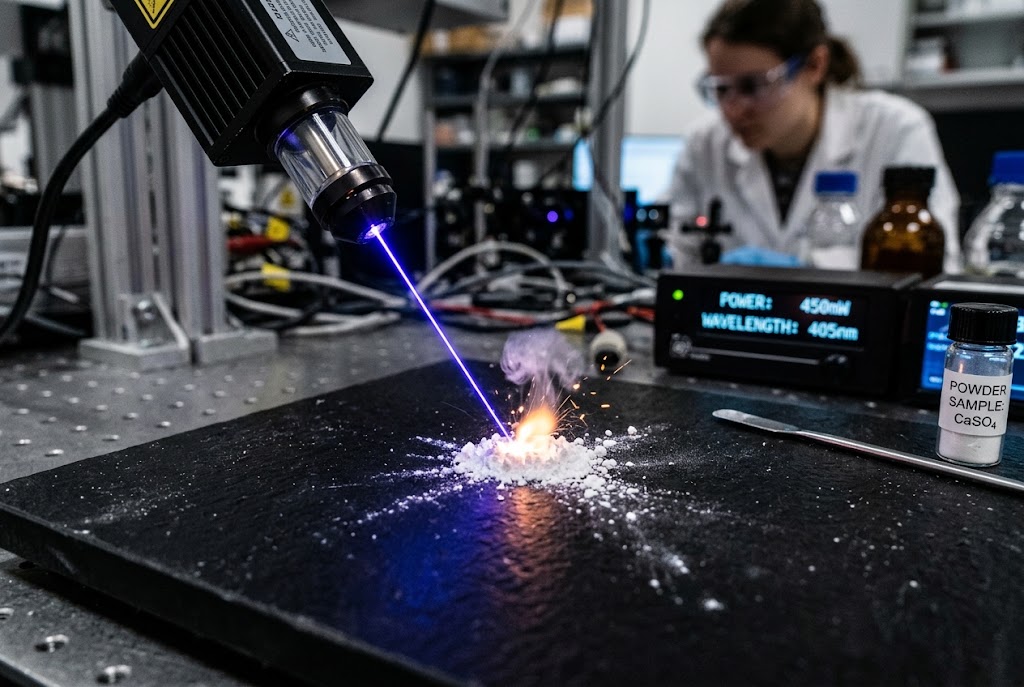
The light-responsive coating for explosives demonstrates this capability clearly. It keeps the material safe during storage and transport but allows controlled activation when needed. This dual functionality simplifies safety protocols and reduces the need for complex mechanical devices.
Procurement teams must understand that these materials require different handling procedures. Suppliers will provide specific guidelines on exposure limits and triggering mechanisms. Training staff on these new protocols is essential for safe and effective usage.
Key Applications in Defense and Industrial Safety
The defense sector stands to benefit most immediately from this innovation. Munitions can be stored in a completely inert state for extended periods. This reduces the risk of accidental explosions during long-term deployment or transit.
Military logistics become safer and more cost-effective with such reliable stabilization. Insurance premiums for transporting hazardous materials may decrease significantly. Procurement managers can source these advanced munitions with greater confidence.
Industrial applications in mining and construction also gain from improved safety. Blasting operations can be conducted with higher precision using light-triggered detonators. This reduces collateral damage and enhances worker safety in confined spaces.
Remote activation capabilities allow for safer handling in hazardous environments. Operators can trigger reactions from a distance without physical contact. This feature is particularly valuable in demolition projects involving unstable structures.
Impact on Global Specialty Chemical Supply Chains
The emergence of responsive coatings creates a new niche in the specialty chemicals market. Traditional suppliers of inert additives face competition from these advanced functional materials. Traders must adapt their portfolios to include these high-value innovations.
Supply chains for photochromic precursors will become increasingly strategic. Regions with strong organic synthesis capabilities will dominate this emerging sector. Buyers should secure long-term agreements with key producers to ensure availability.
Quality control standards for these materials are more stringent than for traditional stabilizers. Consistency in molecular structure is critical for predictable performance. Buyers must verify technical specifications and batch testing data carefully.
Intellectual property protection plays a crucial role in this market. Patents on specific coating formulations will drive competitive dynamics. Buyers should ensure their suppliers have clear rights to produce and distribute these technologies.
Regulatory and Compliance Considerations
Safety regulations for explosives and hazardous materials are evolving to accommodate new technologies. Regulatory agencies must validate the reliability of light-responsive stabilization methods. Manufacturers must provide comprehensive data on long-term stability and trigger sensitivity.
Compliance with international transport regulations requires updates. Classification of coated explosives may differ from traditional uncoated materials. Logistics providers must be trained on specific handling requirements for these products.
Environmental regulations also impact the development of these coatings. Photochromic molecules must meet strict toxicity and biodegradability standards. Suppliers who prioritize green chemistry principles will gain a competitive advantage.
Documentation requirements for safety data sheets will expand to include trigger parameters. Procurement teams need to update their internal compliance systems accordingly. Staying informed about regulatory changes is essential for uninterrupted supply.
Challenges in Commercial Scaling and Adoption
Scaling the production of responsive molecular coatings presents technical challenges. Achieving uniform coverage on irregular particles requires advanced processing equipment. Consistency in coating thickness is critical for reliable performance.
Cost remains a factor for widespread adoption in cost-sensitive industries. High-purity photochromic materials can be expensive to synthesize at scale. Manufacturers must optimize processes to reduce production costs effectively.
Training personnel on new triggering systems is also necessary. Operational procedures must be updated to incorporate these technological changes. Resistance to change in traditional industries can slow down adoption rates.
Supply chain resilience for specialized precursors is another concern. Disruptions in the availability of key organic compounds could halt production. Diversifying sources for these raw materials is essential for continuity.
What Procurement Teams Should Do Now
Procurement leaders in defense and industrial sectors must evaluate this technology immediately. Engaging with researchers and early-stage manufacturers provides insight into development timelines. Building relationships now secures priority access to future commercial products.
Consider the following strategic actions for the coming year:
Audit current hazardous materials for stability and safety risks. Identifying vulnerabilities helps prioritize the adoption of new stabilization technologies.
Monitor patent filings and research publications in responsive coatings. Staying informed about intellectual property trends helps identify key players in the market.
Update safety protocols to account for light-sensitive materials. Training staff on new handling procedures ensures compliance and prevents accidents.
Collaborate with suppliers on pilot projects for coated materials. Joint testing validates performance and builds trust in the new technology.
Review insurance policies for coverage of advanced energetic materials. Ensuring adequate protection mitigates financial risks associated with new technologies.
The Bottom Line for Specialty Chemical Buyers
The development of light-responsive molecular coatings marks a major advance in material science. This technology offers precise control over reactivity and enhances operational security significantly. Buyers in defense and industrial sectors must prepare for its eventual commercialization.
Companies that adopt these active stabilizers will lead in safety and efficiency standards. The future of hazardous materials management belongs to those who embrace smart chemical solutions. Ready to source Sulphur from verified global suppliers? Explore competitive offers on our platform today.
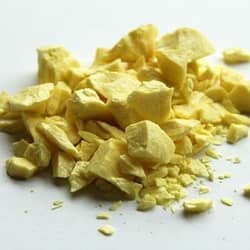
Sulphur
Found this useful?