FDA-Approved Weekly Insulin Onswik: What It Means for Pharma Supply Chains
The approval of weekly insulin Onswik marks a significant shift in how basal insulin can be delivered to adults with type 2 diabetes. The U.S. Food and Drug Administration approved Lilly's insulin efsitora alfa-gobe on September 23, 2026 for adults with type 2 diabetes as an adjunct to diet and exercise.
Unlike conventional basal insulin schedules that often require daily administration, Onswik uses a once-weekly dosing schedule. Clinical development involved more than 3,400 adults across four Phase 3 QWINT trials, with results showing non-inferior A1C reduction compared with daily insulin glargine or insulin degludec.
Why Weekly Insulin Represents a Major Market Shift
The most important change is not simply the number of injections. Weekly administration introduces a different commercial model for basal insulin, with implications for formulation technology, manufacturing capacity, packaging, inventory planning and distribution.
Lilly designed Onswik as a long-acting insulin analog that maintains basal insulin coverage across a seven-day interval. The product is approved as a subcutaneous injection for adults with type 2 diabetes and is not recommended for people with type 1 diabetes because of the increased risk of severe hypoglycemia.
For pharmaceutical procurement teams, a longer dosing interval can also change how companies forecast product demand. Instead of focusing only on the number of patients receiving insulin, procurement models can increasingly consider dosing frequency, presentation size and treatment duration.
What the QWINT Trials Showed About Onswik
The FDA approval follows a broad Phase 3 development program that evaluated Onswik against established daily basal insulin therapies. Four QWINT studies examined different adult type 2 diabetes populations, including people who had not previously used insulin and people already receiving basal insulin.
The trials compared weekly Onswik with insulin glargine or insulin degludec. Across the program, the weekly treatment met its primary non-inferiority objectives for A1C reduction, supporting its use as a basal insulin option for the approved population.
The commercial significance comes from combining these clinical findings with a substantially lower injection frequency. Lilly states that Onswik can reduce basal insulin injections from approximately 365 per year to 52 compared with once-daily basal insulin.
Manufacturing and Pharmaceutical Supply Chain Implications
A weekly insulin product requires pharmaceutical manufacturers and suppliers to think carefully about production scale, sterile processing and cold-chain distribution. FDA approval documents identify Eli Lilly Kinsale Limited in Ireland as an approved manufacturing site for the drug substance, while final formulation, filling, labeling and packaging take place at Lilly's Indianapolis operation.
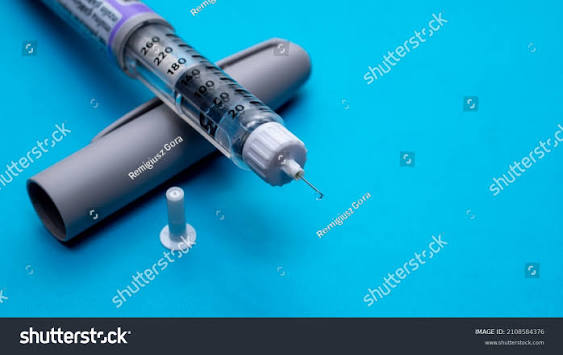
The approved presentations include 500 units/mL and 1,000 units/mL strengths in 3 mL single-patient-use prefilled pens. FDA records list the product as a subcutaneous injection supplied through autoinjector presentations.
For procurement professionals, several supply-chain considerations become important:
Cold-chain management: The FDA approval letter specifies a 24-month dating period for the finished product when stored at 2 to 8°C, making temperature-controlled logistics a central requirement.
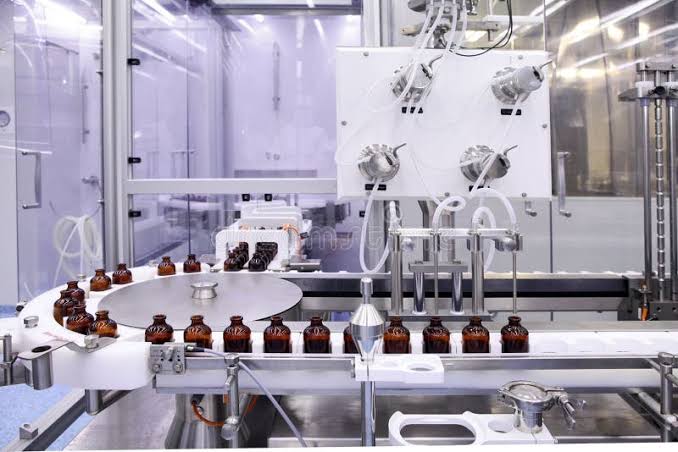
Sterile manufacturing: Weekly injectable insulin requires tightly controlled formulation, sterile filtration, filling and packaging operations.
Device supply: Prefilled pen and autoinjector components become part of the wider procurement ecosystem alongside the active pharmaceutical ingredient.
Demand forecasting: A weekly product changes the relationship between patient numbers and annual unit requirements.
What Procurement Teams Should Watch in 2026
The launch of a new dosing format can create demand across several parts of the pharmaceutical supply chain. Procurement teams may need to coordinate active pharmaceutical ingredients, excipients, sterile manufacturing inputs, primary packaging and delivery systems.
Weekly insulin also places greater emphasis on production reliability. A disruption affecting a long-acting injectable product can influence inventories over an extended treatment period, so buyers may place greater value on validated suppliers, dependable cold-chain partners and robust business-continuity planning.
Key procurement priorities include:
Supplier qualification: Pharmaceutical buyers need suppliers that can meet applicable quality, documentation and consistency requirements.
Cold-chain capacity: Temperature-controlled storage and transport must support the product's required conditions from manufacturing through distribution.
Packaging availability: Prefilled pen components can become a critical constraint if device demand grows faster than manufacturing capacity.
Inventory strategy: Longer dosing intervals can alter purchasing cycles and the way distributors calculate stock requirements.
Regulatory documentation: Buyers operating across multiple markets must track country-specific approvals, labeling requirements and product presentations.
How Weekly Insulin Could Affect Global Pharmaceutical Trade
The FDA approval adds the United States to the growing group of regulatory markets where Onswik has received approval. Lilly states that the product has also received regulatory approval from the European Medicines Agency, Mexico's COFEPRIS and Japan's PMDA.
This wider regulatory footprint could support a broader international commercial rollout. For importers and exporters, that creates potential changes in regional demand for finished pharmaceutical products, specialized packaging and temperature-controlled logistics.
The trade impact will not come from insulin alone. A commercial injectable medicine depends on a network that includes pharmaceutical-grade raw materials, sterile production equipment, delivery devices, packaging materials, refrigerated warehouses and validated transportation services.
Markets that already maintain sophisticated pharmaceutical distribution networks may be positioned to adopt weekly insulin more efficiently. At the same time, emerging markets may require additional investment in cold-chain infrastructure and specialized distribution capabilities before products with strict storage requirements can reach a wider patient population.
The Role of Formulation, Packaging and Cold-Chain Partners
The commercial success of weekly insulin depends on more than the active pharmaceutical ingredient. Pharmaceutical manufacturers must maintain precise formulation processes while ensuring that the finished product remains stable throughout its approved storage period.
Packaging also becomes strategically important because Onswik is supplied through prefilled injection systems. FDA records identify 3 mL presentations at 500 units/mL and 1,000 units/mL, creating specific requirements for device compatibility, filling operations and packaging procurement.
Cold-chain partners must also maintain appropriate storage conditions throughout transportation. For procurement managers, this means evaluating logistics providers based not only on freight rates but also on temperature monitoring, handling procedures and reliability.
The broader lesson applies to many specialty pharmaceutical products: a successful formulation requires an equally resilient supply chain.
What the Approval Means for Pharmaceutical Buyers
Onswik's FDA approval creates a new reference point for the development and commercialization of long-acting injectable medicines. The product combines a weekly dosing schedule with clinical results demonstrating non-inferior A1C reduction against established daily basal insulin comparators.
For chemical traders and pharmaceutical procurement teams, the development highlights the growing importance of specialized supply networks supporting complex healthcare products. Buyers may need to look beyond conventional raw-material sourcing and assess the full chain from pharmaceutical inputs to sterile production, packaging and temperature-controlled delivery.
The commercial opportunity also extends to companies supplying materials and services used in pharmaceutical manufacturing. As more long-acting and extended-release medicines reach the market, demand can shift toward highly controlled inputs, specialized manufacturing capabilities and reliable logistics.
Looking Ahead to the Weekly Insulin Market
The FDA approval of Onswik signals a broader movement toward medicines designed to reduce treatment frequency without sacrificing established glycemic-control goals. The QWINT program enrolled more than 3,400 adults and supported the approval through comparisons with daily insulin glargine and insulin degludec.
For the pharmaceutical supply chain, the next stage will focus on commercialization, production scale and market access. Lilly says the Onswik KwikPen is expected to become available in the United States in the coming months, adding another factor for distributors and procurement teams to monitor.
As weekly dosing becomes a larger part of diabetes treatment, pharmaceutical buyers will need dependable suppliers, strong cold-chain capabilities and flexible inventory planning. The shift could make extended-duration injectable medicines an increasingly important category across global healthcare supply chains.
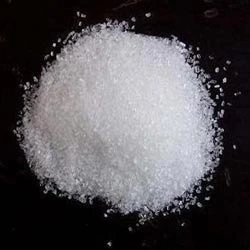
Dextrose Monohydrate (E1200)
Found this useful?