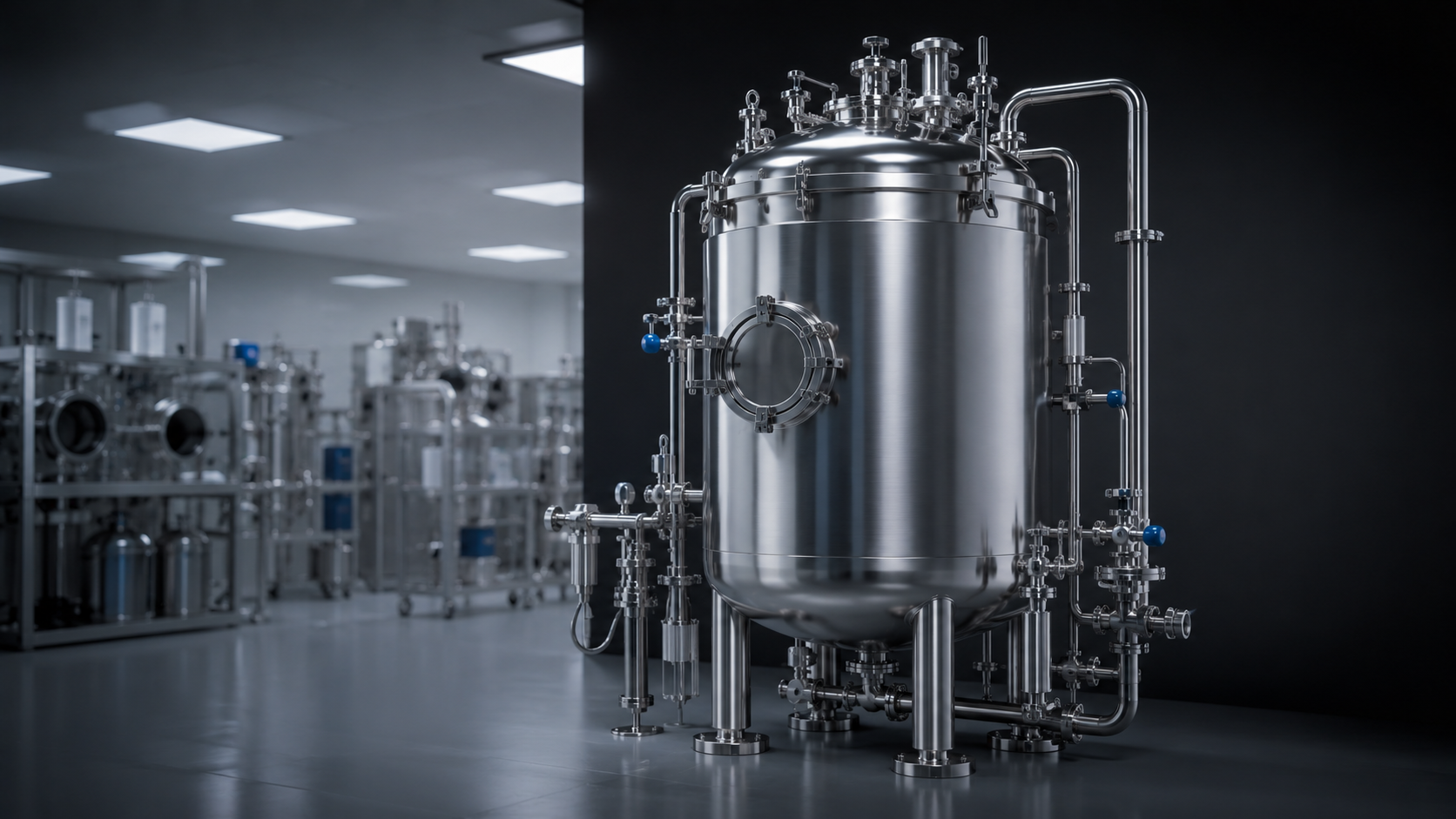
FDA PreCheck Pilot Program Could Reshape Food-Adjacent Manufacturing
The FDA is testing a new approach to manufacturing oversight that could eventually reach beyond its initial pharmaceutical focus. The FDA PreCheck pilot program has selected contract manufacturers Cellares and Fujifilm Biotechnologies, along with Eli Lilly and Regeneron, for its initial pilot cohort.
The program matters to procurement professionals because changes in regulatory processes can influence how manufacturers evaluate facilities, suppliers, materials and production readiness. If the model expands into food-adjacent manufacturing, chemical suppliers and ingredient buyers could eventually face new expectations around documentation, quality systems and supply chain transparency.
What the FDA PreCheck Pilot Program Signals
The initial PreCheck cohort brings together major pharmaceutical manufacturing organizations and contract manufacturers. That combination gives the FDA an opportunity to examine how a more coordinated approach to manufacturing oversight could work across different production environments.
For manufacturers, regulatory engagement can affect more than final product approval. Facility readiness, manufacturing controls and supplier documentation can all influence the ability to bring products into production efficiently.
A program that improves interactions between regulators and manufacturers could therefore have implications across the wider industrial supply chain. Procurement teams should pay attention because regulatory expectations often travel upstream from finished products to raw materials and processing inputs.
Why Contract Manufacturers Matter to the Pilot
Cellares and Fujifilm Biotechnologies bring contract manufacturing perspectives into the pilot alongside Eli Lilly and Regeneron. Contract manufacturers operate across multiple customer programs and must maintain consistent quality and documentation practices while managing different production requirements.
This makes them particularly relevant to a pilot focused on manufacturing processes. Their experience can provide insight into how regulatory coordination works when manufacturing responsibilities extend across multiple organizations.
For chemical traders and suppliers, this creates several areas to monitor:
Supplier documentation: Buyers may place greater emphasis on complete specifications, certificates and traceability records when assessing material suppliers.
Manufacturing consistency: Raw material quality can affect downstream production controls, making reliable specifications increasingly important.
Supply chain visibility: Manufacturers may seek clearer information about where materials originate and how suppliers maintain quality across production batches.
Regulatory readiness: Suppliers that can respond quickly to documentation requests may become more attractive to regulated manufacturers.
How PreCheck Could Affect Food-Adjacent Manufacturing
The most important future question is whether the principles tested through PreCheck eventually extend into manufacturing sectors connected to food production. Food-adjacent operations can include ingredient manufacturing, processing aids, specialty chemicals and other materials that support products entering food-related supply chains.
Any expansion would not necessarily mean that pharmaceutical manufacturing rules would simply transfer to food-related operations. Instead, the FDA could adapt elements of a manufacturing-focused regulatory model to the specific risks and production characteristics of other industries.
That possibility matters for chemical procurement because many food-adjacent manufacturers depend on internationally sourced ingredients and processing chemicals. Changes in oversight could increase the importance of supplier qualification, manufacturing records and consistent product specifications.

Procurement Standards Could Become More Important
If regulatory oversight becomes more integrated with manufacturing operations, procurement teams may need to look beyond price and delivery timelines. Material quality and documentation could become equally important factors when selecting international suppliers.
For buyers sourcing chemicals or ingredients for regulated manufacturing, supplier evaluation should cover:
Product specifications: Confirm that technical specifications remain consistent across batches and match the manufacturer's intended application.
Quality documentation: Maintain accessible certificates of analysis, safety documentation and other relevant records for each material.
Traceability: Understand the supply chain from manufacturer through trader and ultimately to the receiving facility.
Change management: Ask suppliers how they communicate changes involving manufacturing sites, formulations, specifications or production processes.
Supply continuity: Evaluate whether a supplier can maintain reliable deliveries if regulatory or production requirements become more demanding.
These practices already support disciplined procurement, but greater regulatory attention could make them more strategically important.
What Chemical Traders Should Watch
Chemical traders sit between manufacturers and end users, which gives them an important role in maintaining supply chain information. When customers operate in regulated sectors, buyers increasingly expect traders to provide more than a competitive quotation.
A supplier that can provide clear product information, consistent documentation and dependable communication can reduce procurement friction for its customers. This becomes particularly valuable when manufacturers need to demonstrate control over materials entering their production systems.
Traders should watch for changes in customer requirements around documentation, supplier qualification and material traceability. They should also maintain close communication with producers so they can quickly respond when customers request updated specifications or compliance information.
The potential expansion of PreCheck into food-adjacent manufacturing could make this capability increasingly valuable.
Food-Adjacent Chemicals Could Face Greater Scrutiny
Food-adjacent manufacturing relies on a wide range of chemical and ingredient inputs. Depending on the application, these can include acids, salts, preservatives, processing aids and functional ingredients.
Products such as sodium ascorbate, citric acid, sodium bicarbonate and other specialty ingredients may enter manufacturing environments where quality and documentation requirements are already significant. A stronger focus on manufacturing readiness could encourage buyers to evaluate these materials through a more comprehensive supply chain lens.
For procurement teams, the key issue is not simply whether a material meets a specification. Buyers also need confidence that suppliers can consistently deliver the same quality and provide the records required by their customers.
This can affect sourcing decisions in several ways:
Buyers may favor suppliers with established quality management processes.
Manufacturers could place greater value on long-term supplier relationships.
Procurement teams may increase audits or documentation reviews for critical inputs.
Traders could face stronger expectations for rapid responses to compliance requests.
Global Sourcing May Need a More Structured Approach
International sourcing gives manufacturers access to competitive prices and broader supplier networks, but it also introduces additional layers of complexity. Differences in manufacturing practices, documentation standards and logistics can make supplier qualification more demanding.
For chemical importers and exporters, this means regulatory developments should form part of supply chain planning rather than remain solely within a compliance department. Procurement, quality and logistics teams can benefit from sharing supplier information and maintaining consistent records.
A structured sourcing process can help manufacturers identify weak points before they create production problems. It can also make it easier to replace a supplier when a material becomes difficult to source or no longer meets customer requirements.
For traders, the opportunity is equally clear. Suppliers that make compliance information easy to access can strengthen their position in competitive B2B markets.
Could PreCheck Change the Supplier-Buyer Relationship?
A broader manufacturing oversight model could influence how buyers assess supplier relationships. Instead of treating regulatory compliance as a document exchange that happens only during qualification, manufacturers may increasingly integrate it into ongoing supplier management.
That approach could reward suppliers that maintain consistent communication and proactively share relevant updates. It may also encourage buyers to establish clearer performance requirements for strategic chemical and ingredient suppliers.
The shift could be particularly relevant for food-adjacent manufacturers that rely on multiple imported materials. A disruption involving one critical input can affect production schedules, customer commitments and inventory planning.
Procurement teams can prepare by identifying their most sensitive materials and reviewing the strength of the supplier relationships behind them.
What Procurement Teams Should Prepare For
The FDA PreCheck pilot remains focused on its initial cohort, but procurement teams can still use this period to strengthen their supply chain practices. Preparing early can reduce the operational impact if manufacturing oversight becomes more structured in adjacent industries.
A practical preparation strategy includes:
Map critical materials. Identify chemicals and ingredients that directly affect production, quality or regulatory compliance.
Review supplier records. Check whether specifications, certificates and supporting documents remain current and easy to retrieve.
Assess alternative suppliers. Maintain qualified sourcing options for materials that could create significant production disruption if unavailable.
Strengthen traceability. Know the manufacturer, origin and distribution path associated with important materials.
Monitor regulatory developments. Track how the PreCheck pilot evolves and whether the FDA expands its approach into additional manufacturing sectors.
These steps can improve procurement resilience regardless of whether PreCheck eventually reaches food-adjacent manufacturing.
The Bottom Line for Procurement Teams
The FDA PreCheck pilot program represents a potentially important shift in how manufacturing oversight could evolve. Its initial cohort of Cellares, Fujifilm Biotechnologies, Eli Lilly and Regeneron gives the FDA a focused environment in which to assess the approach before considering wider applications.
For chemical traders, importers, exporters and procurement managers, the broader lesson is clear: manufacturing compliance increasingly connects with supply chain quality. If PreCheck eventually extends into food-adjacent manufacturing, suppliers may face stronger expectations around documentation, traceability, consistency and responsiveness.
Companies that strengthen these practices now can position themselves for more demanding buyer requirements while improving supply reliability. As regulatory models evolve, procurement teams that treat supplier quality as a strategic function will be better prepared to respond to new expectations.
Ready to source Sodium Ascorbate (E301) from verified global suppliers? Explore competitive offers on our platform today.
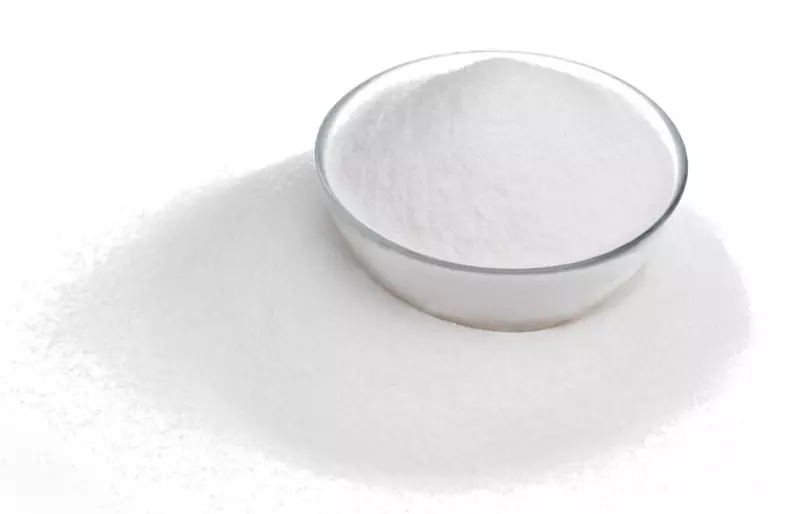
Sodium Ascorbate (E301)
Found this useful?