Background: The Strait of Hormuz as a Fertilizer Lifeline
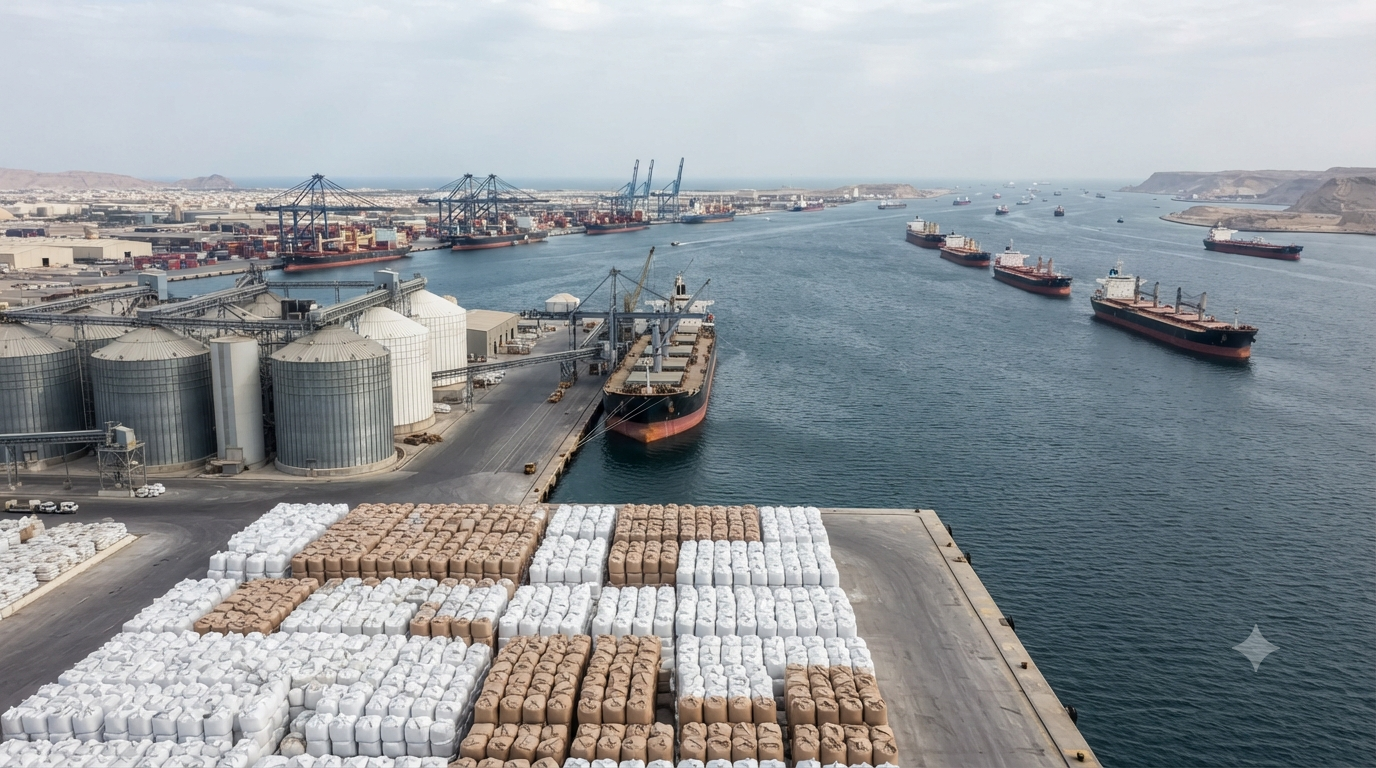
The Strait of Hormuz is a critical chokepoint for energy and commodity shipping, handling about 20% of the world’s natural gas exports. That gas fuels the synthesis of ammonia, the key raw material for urea and other nitrogen‑based fertilizers. When the interim reopening agreement dissolved last month, shipping lanes became increasingly unpredictable, prompting a sharp uptick in transportation costs and delays for fertilizer exporters.
Ammonia, the cornerstone of modern agriculture, saw a 12% rise in spot prices after the agreement’s collapse. Urea shipments, which rely on both ammonia and natural gas, followed suit with a 10% price increase. Phosphate salts, essential for plant phosphorus metabolism, experienced a 7% hike as shipping routes to major producers in Morocco and Western Sahara were disrupted.
Key Supply Chain Bottlenecks
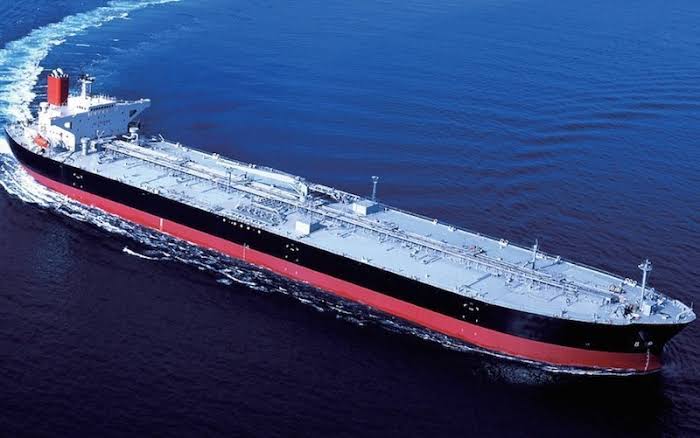
Reduced tanker availability due to port closures and security patrols.
Longer transit times and higher insurance premiums.
Limited access to critical refining infrastructure in the Persian Gulf.
Consequences for Agricultural Production
Fertilizer shortages translate directly into lower crop yields. In regions that depend heavily on nitrogen‑rich feeds, farmers are forced to cut back on input applications, leading to a 3–5% decline in expected harvests. The ripple effect is a tightening of supply for staple crops such as wheat, maize and rice,Visibility gaining traction.
Sector‑Specific Repercussions
High‑yield varieties that require precise nitrogen timing are most affected.
Organic farmers face challenges sourcing certified synthetic inputs.
Large‑scale agribusinesses pivot to more resilient crop mixes.
Food Ingredient Pricing: From Additives to Preservatives
Food manufacturers rely on a suite of previstas ingredients—emulsifiers, stabilizers and preservatives—many of which are derived from petrochemical and fertilizer by‑products. Rising nitrogen and phosphate costs have pushed the prices of key additives such as sodium chloride, ascorbic acid and citric acid upward by 8–11% in the last quarter. This inflation is now being passed through to end‑consumer products, especially processed foods and packaged beverages.
Industry Responses
Shift toward plant‑based additives that can be sourced locally.
Increased use of natural preservatives, like rosemary extract, despite higher upfront costs.
Investment in R&D to develop中央値 cost‑effective synthetic alternatives.
Global Procurement Strategies in a Volatile Market
Companies are revisiting their procurement frameworks to mitigate exposure to fertilizer and food ingredient price swings. The following tactics are gaining traction:
Hedging Contracts: Long‑term forward contracts lock in prices and shield against sudden spikes.
Supplier Diversification: Expanding the supplier base to include regions outside the Middle East reduces single‑point risk.
Local Sourcing: Investing in regional production facilities, especially for critical additives, cuts dependence on global shipping lanes.
Inventory Buffers: Holding strategic reserves of high‑turnover ingredients to cushion against supply interruptions.
Looking Ahead: Mitigation and Resilience
The collapse of the Hormuz agreement underscores the fragility of global supply chains. While short‑term solutions focus on hedging and diversification, long‑term resilience will depend on investing in alternative energy sources for fertilizer production, such as renewable‑energy powered ammonia plants, and strengthening regional agricultural infrastructure.
Stakeholders across the food and fertilizer industries must collaborate to build a more robust, transparent supply chain that can withstand geopolitical shocks. Only through coordinated action can we safeguard food security and keep ingredient costs within reach for consumers worldwide.