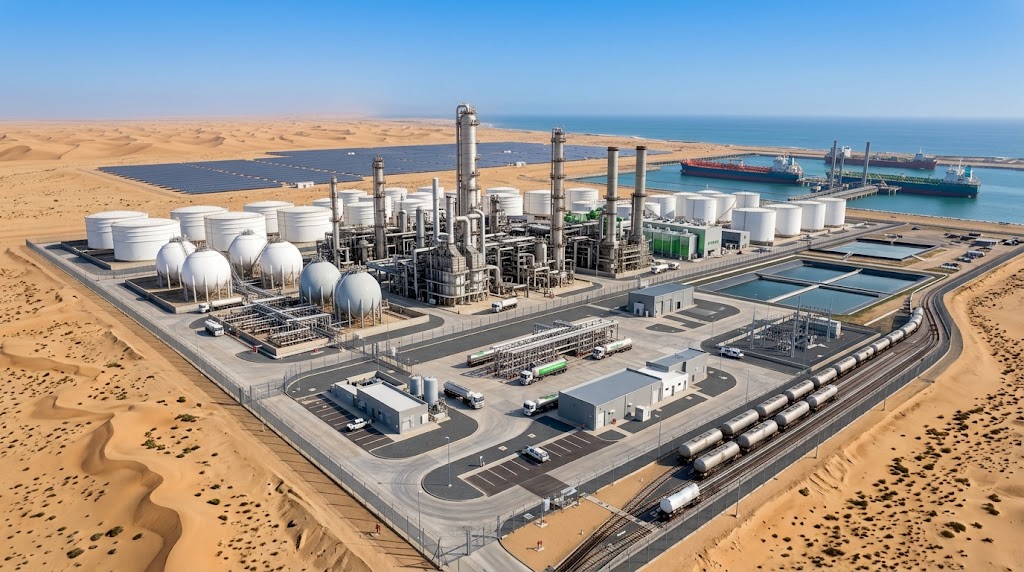
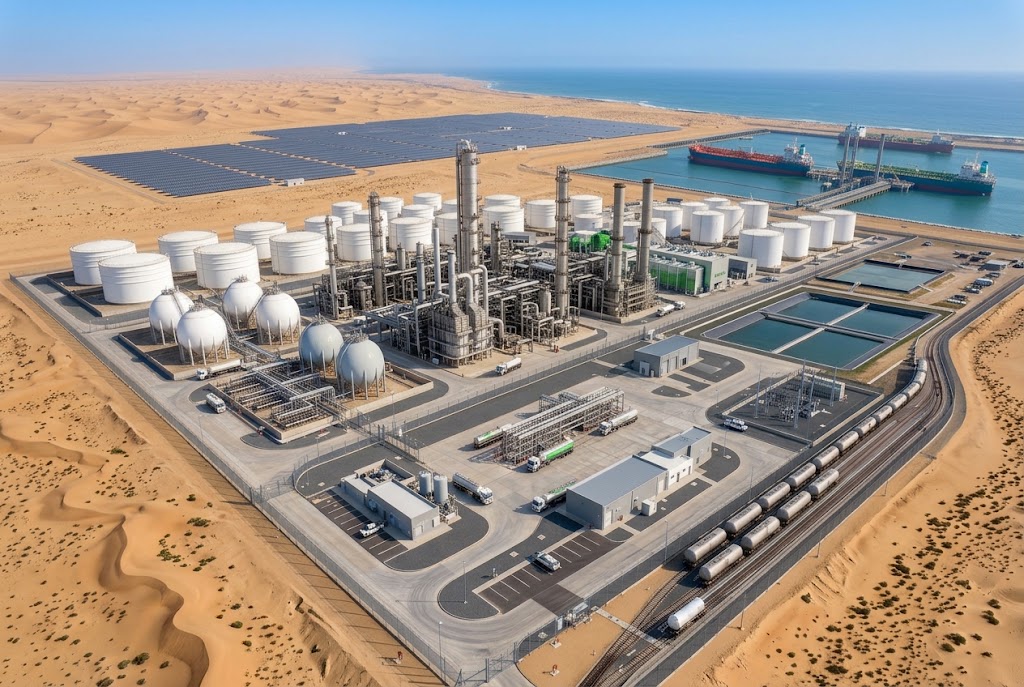
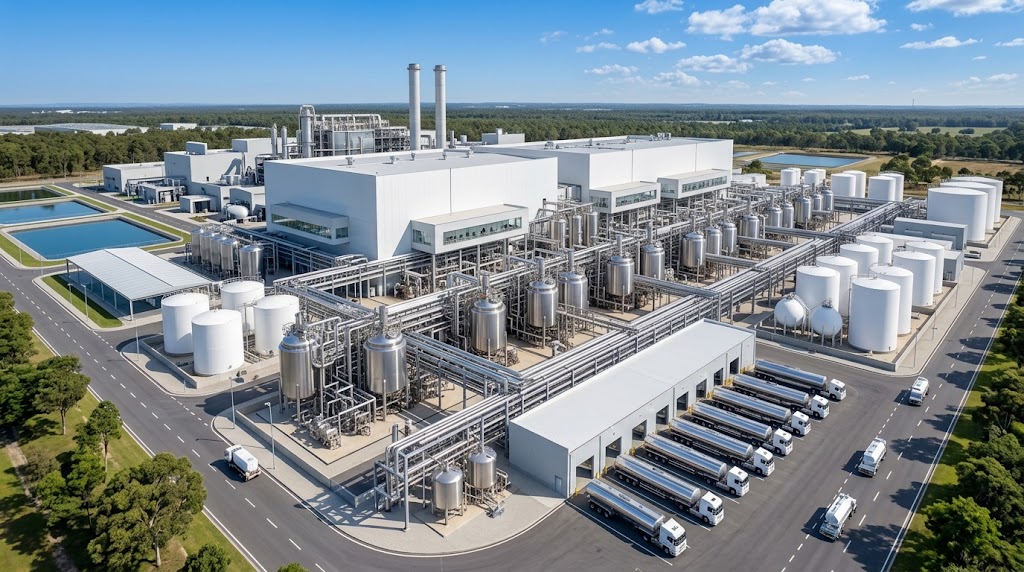
European fertilizer blenders anticipated a major transition in their supply chains by 2027. Pre-crisis Gulf project timelines promised a 15 to 25 percent green ammonia sourcing rate. However, massive delays in these flagship facilities have completely altered the market trajectory. Buyers now face extended reliance on traditional fossil nitrogen. This structural shift forces procurement teams to navigate complex environmental and contractual challenges. The ripple effects extend far beyond the fertilizer industry. Major food corporations must now recalculate their agricultural raw material emissions. Understanding these fertilizer market structural changes is critical for any supply chain professional managing agricultural inputs. This reality demands immediate strategic adjustments from all stakeholders involved in the agricultural value chain.
The Reality of Green Ammonia Project Delays
Gulf region developers initially targeted 2027 for major green ammonia production. Facilities backed by NEOM, ADNOC and Air Products led these ambitious timelines. The market priced in this future capacity for long-term sourcing strategies.
Recent updates confirm these projects will not reach commercial operation until 2028 or 2029. Financing hurdles, supply chain bottlenecks and technology scaling challenges caused the delays. Buyers who planned their decarbonization roadmaps around this specific timeline now face a critical gap.
This timeline shift fundamentally disrupts corporate sustainability planning. Procurement leaders must now explain these delays to internal stakeholders. The gap between projected and actual green volume availability creates significant compliance risks.
Fossil Nitrogen Contract Extensions and Market Impact
Major buyers like Yara, OCI and EuroChem must secure reliable nitrogen supplies. They have no choice but to extend existing fossil ammonia supply contracts. These extensions lock in traditional production methods through 2029.
This decision carries significant financial and environmental implications. Long-term fossil contracts provide volume security but eliminate near-term decarbonization progress. Procurement managers must balance immediate supply needs against corporate sustainability mandates.
Suppliers are capitalizing on this extended demand window. They are revising their pricing models to reflect the prolonged market dominance of fossil-based production. Buyers must prepare for less favorable negotiation leverage during these contract renewals.
The Scope 3 Emissions Burden on Food Companies
The fertilizer market structural changes directly impact downstream agricultural value chains. Extended fossil ammonia usage adds 2.8 to 3.4 million tons of CO2 to European agricultural emissions for 2027 and 2028. This figure represents a stark deviation from pre-crisis projections.
Food companies with strict Scope 3 emissions targets face immediate pressure. Giants like Unilever, Nestlé and Danone include fertilizer impacts in their sustainability reporting. The reliance on fossil nitrogen creates upstream emissions increases of 8 to 12 percent for key agricultural raw materials.
These increased emissions threaten the credibility of corporate net-zero pledges. Brands risk losing environmentally conscious consumers if they cannot demonstrate tangible supply chain progress. Procurement teams must collaborate closely with sustainability officers to mitigate this reputational damage.
Strategic Procurement Responses to the Emissions Gap
Procurement teams cannot simply accept this emissions penalty without action. They must implement aggressive mitigation strategies to offset the fossil nitrogen reliance.
Negotiate carbon offset clauses directly into extended fossil ammonia contracts to neutralize the environmental impact.
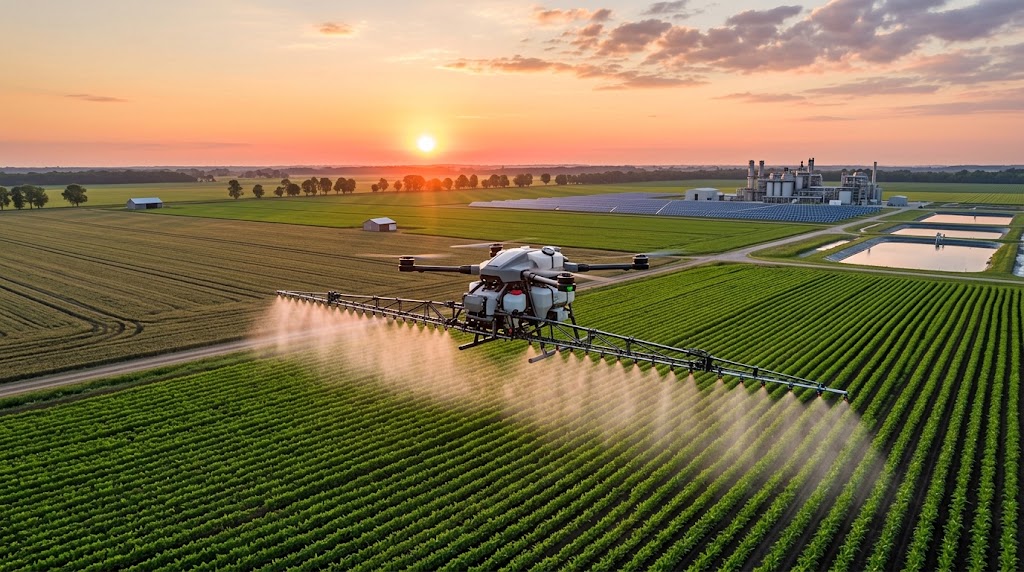
Invest in precision agriculture technologies to reduce overall fertilizer application rates across the supply chain.
Source alternative low-carbon feedstocks from regions with faster green hydrogen deployment and established export infrastructure.
These steps help bridge the gap until genuine green ammonia volumes reach the market. Regular audits of supplier emissions data will ensure compliance with these new contractual terms. Proactive management turns a potential crisis into a manageable transition phase.
Financial Implications of Extended Fossil Contracts
Extending fossil nitrogen contracts also introduces new financial risks. Carbon pricing mechanisms in Europe continue to tighten aggressively. The European Union Emissions Trading System will penalize high-carbon fertilizer production more severely each year.
Buyers locking into long-term fossil agreements may face unexpected carbon cost pass-throughs. Suppliers will inevitably transfer these compliance costs to the end buyer. Procurement professionals must model these potential carbon price escalations into their total landed cost calculations.
Historical data shows that carbon allowance prices can fluctuate wildly based on regulatory adjustments. Failure to account for these hidden costs will erode profit margins. Financial planning must incorporate dynamic carbon pricing scenarios to protect the business from sudden cost shocks.
What Procurement Teams Need to Know Moving Forward
The fertilizer market structural changes demand a proactive approach to supply chain management. Relying on delayed green projects is no longer a viable standalone strategy. Buyers must diversify their low-carbon sourcing portfolios immediately.
Engaging with alternative green ammonia producers in regions like Australia or South America provides a necessary hedge. Building flexible contracts that allow for a gradual transition from fossil to green volumes protects the buyer. Ready to source Ammonia Anhydrous from verified global suppliers? Explore competitive offers on our platform today.
Sources
https://www.yara.com/media/press-releases/2026/green-ammonia-project-delays-impact/
https://www.adnoc.ae/en/news-and-media/press-releases/2026/green-hydrogen-timeline-update
https://www.unilever.com/sustainability/2026-scope-3-agricultural-emissions-report/