Flavor and Fragrance Aroma Chemical Supply Chain Stress Test Results
The flavor and fragrance industry faced significant disruption from aroma chemical shortages during the 2026 Hormuz crisis. Multiple key aroma chemicals derive from petrochemical intermediates produced in or transiting through the Gulf region.
This logistical paralysis exposed severe vulnerabilities in global sensory supply chains. Procurement managers must now recognize that aroma chemical resilience requires a fundamentally different approach than standard bulk chemical sourcing.
The market dynamics shifted violently as buyers scrambled to secure essential inputs for consumer products. Companies relying on historical availability metrics faced severe production curtailments.
Disrupted Aroma Chemical Pathways and Petrochemical Dependencies
Gulf sources historically provided critical precursors for synthetic aroma chemicals. The crisis specifically disrupted certain terpenes derived from petrochemical routes.
Synthetic musks also faced severe allocation constraints. These complex molecules require specialty petrochemical intermediates that became entirely unavailable during the 135-day disruption.
Vanillin precursors encountered massive shipping delays. The production of guaiacol relies partially on Gulf-sourced feedstocks, creating an immediate bottleneck for global vanilla flavor manufacturing.
Industry Impact and Massive Reformulation Efforts
The physical shortage of these critical molecules triggered immediate downstream consequences. Fragrance houses reformulated approximately 340 fragrance compositions between March and July 2026.
Flavor companies faced strict allocation of certain fruit flavor components. Beverage and food manufacturers had to adjust their production schedules to accommodate these severe supply constraints.
Price escalation reached unprecedented levels for some specialty aroma chemicals. Peak crisis pricing saw increases of 450 to 600 percent compared to historical baselines.
The Sensory Lock-In Phenomenon and High Switching Costs
A unique dynamic defines the flavor and fragrance sector during supply shocks. Functional substitution is rarely possible without altering the final product profile.
Substituting one synthetic musk for another fundamentally changes the fragrance. This alteration requires extensive customer approval and rigorous sensory panel testing.
This sensory lock-in creates switching costs far higher than typical chemical applications. Buyers cannot simply pivot to a cheaper alternative when a specific aroma chemical becomes unavailable.
Brand identity relies heavily on consistent sensory experiences. Any deviation risks consumer rejection and long-term brand damage.
Strategic Investment in Aroma Chemical Supply Chain Resilience
Flavor and fragrance companies must fundamentally rethink their procurement strategies. Aroma chemical supply chain resilience deserves investment priority proportional to reformulation complexity.
Evaluating risk based solely on chemical cost percentage is a flawed approach. A low-cost aroma chemical can halt an entire high-value product line if it becomes unavailable.
Procurement teams must map the geographic origin of every critical precursor. This deep-tier visibility prevents unexpected bottlenecks during future geopolitical disruptions.
Establish long-term offtake agreements with non-Gulf dependent producers. This strategy guarantees volume allocation during future regional crises.
Invest in dual-sourcing strategies for all critical aroma chemical intermediates. Maintaining two qualified suppliers prevents total operational paralysis.
Negotiate explicit emergency supply guarantees within standard procurement contracts. These clauses ensure priority allocation when global tonnage becomes severely constrained.
Financial Implications of Aroma Chemical Shortages
The financial impact of aroma chemical shortages extends far beyond immediate procurement costs. Manufacturers face massive cost increases when forced to source emergency intermediates on the spot market.
Production delays at the additive level cascade into finished goods shortages. These shortages trigger contractual penalties and damage relationships with major retail distributors.
Investing in supply chain mapping and redundancy is no longer an optional compliance exercise. It is a critical financial safeguard against future geopolitical disruptions.
Companies that proactively secure their chemical feedstock pipelines will maintain a distinct competitive advantage. They will ensure uninterrupted production while competitors face regulatory scrutiny and stockouts.
Navigating Regulatory and Customer Approval Hurdles
Reformulating a fragrance or flavor profile triggers complex regulatory and commercial barriers. Customers demand extensive sensory validation before accepting any modified composition.
This bureaucratic process inherently conflicts with the speed required during a supply crisis. The 135-day disruption was often insufficient for brands to validate new chemical sources.
Procurement leaders must empower their technical teams with emergency validation budgets. This financial support removes administrative barriers during critical supply shortages.
What Buyers Should Do Now
Flavor and fragrance procurement leaders must take immediate action to secure their supply chains. The lesson from the 2026 disruption is clear.
Supply chain redundancy is the only viable defense against future geopolitical shocks. Procurement leaders must audit their current intermediate dependencies and identify immediate substitution opportunities.
Securing verified alternative supply channels today prevents operational paralysis tomorrow. Ready to source Vanillin from verified global suppliers? Explore competitive offers on our platform today.
Sources
https://www.fragrancematerialsafety.org/2026/aroma-chemical-supply-chain-disruption
https://www.reuters.com/business/retail-consumer/2026/flavor-fragrance-reformulation-crisis
https://www.supplychaindive.com/news/2026/sensory-lock-in-aroma-chemical-pricing
https://www.chemicalweek.com/business/2026/vanillin-precursor-gulf-shortage
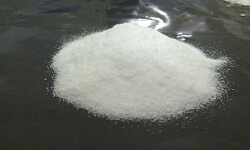
Vanillin
Found this useful?