Flexible Green Ammonia Production: Casale to Supply 100 t/d Plant in Norway
Norway is adding another example of how green ammonia production can adapt to the variable nature of renewable energy. Casale will engineer and supply a 100 tonnes per day modular ammonia plant for Neptun Glomfjord Green Ammonia AS at Glomfjord Industrial Park, using its SMART-N™ technology and a design capable of operating from 10% to 100% of nominal capacity.
The project matters to chemical buyers because it moves beyond the traditional model of ammonia production at constant, high utilization. Its modular design, off-site fabrication and flexible operating range point toward a production model that can respond more effectively to renewable electricity and hydrogen supply conditions.
Why the Glomfjord Green Ammonia Project Matters
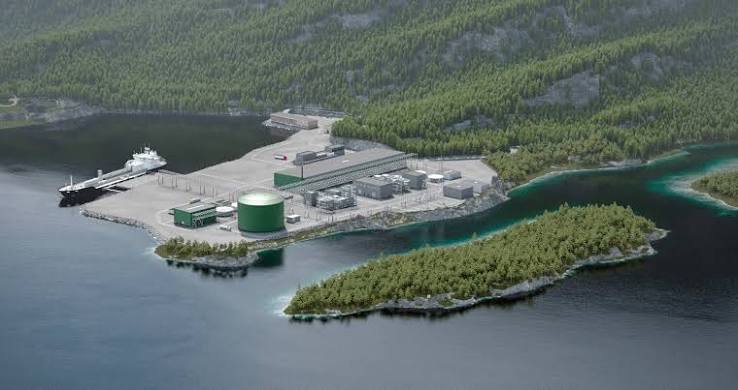
The Glomfjord project will use renewable power resources available in the region together with existing industrial infrastructure. Neptun Glomfjord Green Ammonia AS is developing the facility to produce ammonia for local industrial demand and to support a lower-carbon nitrogen value chain.
Casale signed the engineering and supply contract on September 23, 2026. The company will deliver the plant through an Engineering, Procurement and Fabrication model, with the facility designed as a modular installation rather than a conventional site-built plant.
For procurement teams, this approach highlights an important shift in the small-scale ammonia sector. Developers increasingly need production assets that can fit specific renewable power conditions, local infrastructure and downstream demand rather than simply maximizing continuous output.
The Glomfjord project also connects ammonia production with downstream chemical manufacturing. The green ammonia will be processed by third parties into nitric acid, ANS and fertilizers, extending its role beyond the initial ammonia product.
How the 100 t/d Modular Ammonia Plant Works
The plant will have a nominal capacity of 100 tonnes per day, with Casale's SMART-N™ technology providing the core ammonia synthesis solution. The technology targets smaller-scale renewable ammonia applications where operational flexibility can be as important as maximum production capacity.
Instead of requiring every component to be installed and assembled extensively at the Glomfjord site, the project will rely heavily on fabrication away from the final location. Equipment and plant sections can be prepared in a controlled fabrication environment before transportation to Norway for assembly.
This modular approach can reduce the volume and complexity of work required at the project site. It can also make construction planning easier for projects located in areas where large-scale site activities may create logistical or installation challenges.
For chemical project developers, modularization can provide several practical advantages:
Reduced site activity: More fabrication takes place before equipment reaches the operating location, limiting the amount of complex assembly required on site.
Simplified project execution: Standardized modules can help organize engineering, procurement and fabrication activities around a clearer project structure.
Suitability for smaller projects: Modular systems can support ammonia production at a scale below traditional large centralized plants.
Greater deployment flexibility: Developers can consider locations with renewable resources and existing infrastructure without requiring the same scale of construction as a conventional large ammonia complex.
Why 10% to 100% Load Flexibility Changes Procurement
The most distinctive feature of the Glomfjord plant is its broad operating range. Casale designed the facility to operate between 10% and 100% of nominal capacity, allowing the synthesis section to respond to changes in renewable hydrogen availability and energy conditions.
Traditional ammonia plants generally benefit from stable and continuous operation. Renewable ammonia projects face a different operating environment because electricity generation and green hydrogen availability can vary depending on production conditions and energy prices.
A plant that can reduce its operating rate without shutting down completely gives operators more options. When renewable hydrogen availability falls, the plant can operate at a lower load instead of treating every supply fluctuation as a reason to stop production.
The project also includes a staged hydrogen implementation strategy. Following start-up, the ammonia synthesis section is expected to operate at approximately 50% load for a period before the hydrogen production system reaches its planned operating level.
For buyers, this flexibility can influence how future ammonia supply contracts are structured. Instead of assessing a supplier only by annual nameplate capacity, procurement teams may increasingly examine operating flexibility, renewable power exposure and the ability to maintain production across changing input conditions.
Renewable Power Is Reshaping Ammonia Supply Strategies
Green ammonia depends on renewable hydrogen, which means electricity availability becomes a direct factor in production economics. The Glomfjord project is designed around this relationship rather than treating electricity supply as a secondary consideration.
This creates a different set of commercial considerations for ammonia traders and importers. Buyers need to understand not only how much ammonia a plant can produce but also how the producer manages variations in power and hydrogen supply.
Three factors are particularly relevant:
Energy price exposure: Flexible ammonia production can allow operators to adjust output in response to changing renewable energy and hydrogen prices.
Hydrogen availability: The ammonia synthesis process must align with the supply profile of renewable hydrogen, making hydrogen production and storage strategies important procurement considerations.
Production continuity: Wider operating ranges can help maintain ammonia production during periods when renewable inputs do not support full-load operation.
This model could become particularly relevant for smaller regional ammonia hubs. Production can sit closer to renewable electricity resources and downstream users rather than relying exclusively on large centralized production and long-distance transportation.
Modular Production Could Reduce Project Complexity
The Glomfjord design places significant emphasis on fabrication away from the final site. Casale says the modular concept balances fabrication costs against assembly and installation costs in Norway, with increased off-site fabrication intended to reduce site work.
For project procurement teams, this can shift some of the focus from conventional construction management toward module design, transportation and integration planning.
The approach can also matter when developers work in geographically constrained locations. A compact modular plant may offer a practical route for projects that need to fit within established industrial parks rather than developing an entirely new industrial site.
However, modularity does not remove the need for detailed logistics. Transportation dimensions, lifting requirements, site access, module interfaces and commissioning sequences all become important procurement considerations.
Where the Green Ammonia Will Go
Glomfjord's ammonia output will form part of a broader nitrogen value chain. Third parties will process the green ammonia into nitric acid, ANS and fertilizers, giving the project downstream applications beyond direct ammonia consumption.
This integration is significant for chemical buyers because it creates several potential demand channels from a single production source. Fertilizer manufacturers can use ammonia as a nitrogen feedstock while chemical processors can incorporate it into downstream products.
The project also demonstrates how green ammonia can support regional industrial clusters. Rather than producing ammonia solely for export, a facility can connect renewable energy resources with existing industrial users and infrastructure.
For traders, regional production may create new sourcing opportunities. Local availability can reduce dependence on imported ammonia in certain markets while also creating opportunities to move renewable ammonia into other applications when commercial conditions support cross-border trade.
What Buyers Should Watch in the Green Ammonia Market
The Glomfjord project offers procurement teams several signals to monitor as flexible ammonia production develops.
Production flexibility should become a commercial consideration. A plant's ability to operate across a wide load range can influence supply reliability when renewable inputs fluctuate.
Project scale is becoming more diverse. The 100 t/d facility demonstrates that green ammonia development does not have to rely exclusively on very large centralized plants.
Downstream integration can strengthen demand. The planned conversion of ammonia into nitric acid, ANS and fertilizers gives the project multiple routes into the nitrogen chemicals market.
Modular construction may affect project timelines and logistics. Buyers and project developers should consider fabrication location, transportation requirements and installation planning alongside equipment specifications.
Renewable hydrogen remains central to supply planning. Ammonia procurement strategies will increasingly need to consider the relationship between hydrogen production, renewable electricity and synthesis capacity.
The Procurement Outlook for Flexible Ammonia
The Glomfjord project illustrates a production model built around flexibility rather than constant maximum output. Casale's 100 t/d SMART-N™ plant combines modular fabrication with a 10% to 100% operating range, while Neptun's project connects renewable resources with established industrial infrastructure in Norway.
For chemical traders and procurement managers, the development highlights a broader change in how ammonia supply can be evaluated. Capacity remains important, but operating range, feedstock availability, production location, downstream integration and project logistics can also shape the commercial value of a supply source.
As more renewable ammonia projects adopt flexible operating models, buyers may gain access to supply arrangements that are designed around variable energy markets rather than the fixed production patterns associated with conventional ammonia plant
Ammonia Anhydrous
Found this useful?