Food-Grade Chemical Shortages: The Hidden Food Security Dimension of Chemical Disruption
The 135-day Hormuz disruption from February to July 2026 exposed a hidden vulnerability in global food security. Food-grade specialty chemicals faced severe disruption affecting food processing and safety worldwide. Procurement managers and food manufacturers must now recognize this critical supply chain dependency.
The crisis proved that agricultural fertilizer shortages are only half the story. The downstream impact on packaged goods and beverage production created immediate operational friction. Companies relying on historical availability metrics faced severe production curtailments.
Critical Shortages in Food-Grade Chemical Inputs
Gulf sources historically represented 28 percent of global food-grade phosphoric acid capacity. This specific chemical is essential for beverage formulation and processed food preservation. The sudden closure of this maritime corridor instantly severed a massive portion of the global supply.
Food-grade citric acid production also experienced significant constraints. The fermentation processes for this essential additive depend heavily on glucose syrups. Disrupted supply chains for these foundational agricultural inputs created immediate bottlenecks in citric acid manufacturing.
Food-grade emulsifiers encountered similar logistical hurdles. These critical ingredients require specialty chemical precursors sourced directly from Gulf production facilities. The unavailability of these specific molecules threatened the stability of countless packaged food products.
Immediate Impacts on Beverage and Bakery Manufacturing
The physical shortage of these critical chemicals triggered immediate downstream consequences. Major beverage manufacturers reformulated products to reduce phosphoric acid usage. Companies like Coca-Cola and Pepsi implemented temporary recipe changes for regional variants to maintain production volumes.
Bakery manufacturers faced severe emulsifier allocation constraints. This shortage directly affected production volumes for commercial baked goods. Food processors could not simply substitute missing ingredients without compromising texture and shelf life.
The operational friction forced many facilities to run below optimal capacity. Procurement teams scrambled to secure any available certified food-grade tonnage. This environment favored well-capitalized manufacturers while marginalizing smaller food producers.
The 18 to 36 Month Qualification Bottleneck
The root cause of this prolonged vulnerability lies in stringent regulatory frameworks. Food-grade chemical certification creates rigid 18 to 36 month supplier qualification timelines. Manufacturers cannot simply switch to an unvetted chemical supplier during a crisis.
Regulatory bodies require extensive documentation and safety testing for any new food additive source. This bureaucratic process inherently conflicts with the speed required during a supply emergency. The 135-day crisis duration was entirely insufficient for the food industry to validate new chemical sources.
This reality highlights a fundamental mismatch between standard procurement agility and food safety requirements. Buyers must accept that some chemical inputs cannot be swapped on short notice. Supply chain resilience requires acknowledging these hard regulatory limits.
The Secondary Crisis of Food-Grade Carbon Dioxide
The disruption extended beyond direct chemical additives to create a secondary crisis. Ammonia plant shutdowns during the Hormuz crisis directly caused severe food-grade carbon dioxide shortages. Carbon dioxide is a critical byproduct of ammonia synthesis.
This shortage impacted beverage carbonation processes globally. It also threatened modified atmosphere packaging operations essential for meat and produce preservation. Food processors faced a dual threat of missing primary additives and essential processing gases.
The interconnected nature of chemical manufacturing means a disruption in one sector cascades into another. Procurement teams must map these secondary dependencies to prevent future operational paralysis. Relying on a single supply node for interconnected chemicals is an unacceptable risk.
Financial Implications of Food-Grade Chemical Shortages
The financial impact of food-grade chemical shortages extends far beyond immediate procurement costs. Manufacturers face massive cost increases when forced to source emergency intermediates on the spot market.
Production delays at the additive level cascade into finished goods shortages. These shortages trigger contractual penalties and damage relationships with major retail distributors.
Investing in supply chain mapping and redundancy is no longer an optional compliance exercise. It is a critical financial safeguard against future geopolitical disruptions.
Companies that proactively secure their chemical feedstock pipelines will maintain a distinct competitive advantage. They will ensure uninterrupted food production while competitors face regulatory scrutiny and stockouts.
Strategic Sourcing Adjustments for Food Manufacturers
Food ingredient suppliers must fundamentally redesign their specialty chemical sourcing strategies. Relying on a single geographic region for certified feedstocks is an unacceptable operational risk. Buyers must actively develop alternative sourcing relationships with verified global suppliers.
Establish long-term offtake agreements with non-Gulf dependent producers. This strategy guarantees volume allocation during future regional geopolitical crises.
Invest in dual-sourcing strategies for all critical food-grade intermediates. Maintaining two qualified suppliers prevents total operational paralysis during logistical disruptions.
Negotiate explicit emergency supply guarantees within standard procurement contracts. These clauses ensure priority allocation when global tonnage becomes severely constrained.
These strategic shifts require significant upfront capital and dedicated relationship building. However the cost of inaction far outweighs the investment required to secure reliable supply channels. Procurement teams must view diversification as a core operational mandate.
What Buyers Should Do Now
Food procurement leaders must take immediate action to secure their supply chains. The lesson from the 2026 disruption is clear. Supply chain redundancy is the only viable defense against future geopolitical shocks.
Procurement leaders must audit their current intermediate dependencies and identify immediate substitution opportunities. Securing verified alternative supply channels today prevents operational paralysis tomorrow.
Ready to source Phosphoric Acid (85%) from verified global suppliers? Explore competitive offers on our platform today.
Sources
https://www.fda.gov/food/food-additives-petitions/2026/food-grade-chemical-supply-chain-security
https://www.foodnavigator.com/Article/2026/food-grade-carbon-dioxide-shortage-impact
https://www.supplychaindive.com/news/2026/food-grade-chemical-qualification-timelines-crisis
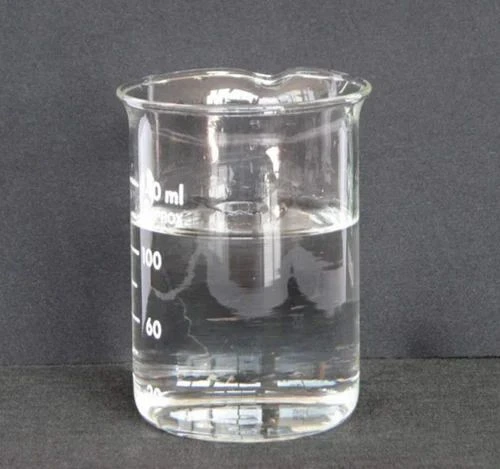
Phosphoric Acid (85%) (E338)
Found this useful?