
Food Ingredient HS Codes Common Classification Challenges in International Trade
Food ingredient HS codes play an important role in international trade. Importers, exporters, manufacturers and distributors use these codes to identify products when preparing customs declarations, commercial invoices and shipping documents. Correct classification helps customs authorities determine applicable duties, taxes and regulatory requirements.
However, classifying food ingredients is not always straightforward. Products such as preservatives, emulsifiers, stabilizers, food acids, starches and processing aids can have different classifications depending on their composition, processing method and intended characteristics. Two products with similar commercial names may not necessarily fall under the same tariff heading.
Incorrect classification can create problems throughout the supply chain. Customs authorities may question declarations, request additional technical information, reassess duties or delay shipments. Businesses involved in international food ingredient trade should therefore understand how HS codes work and what information they need before assigning a classification.
5. Understanding HS Codes in Food Ingredient Trade
The Harmonized Commodity Description and Coding System, commonly known as the Harmonized System or HS, is an international product classification system developed by the World Customs Organization (WCO).
It provides a common structure for identifying goods traded between countries. The international HS nomenclature uses six-digit codes, while individual countries can add further digits to create more detailed national tariff classifications.
How the HS Code Structure Works
The HS system follows a hierarchical structure:
First two digits: Identify the chapter.
First four digits: Identify the heading.
First six digits: Identify the international HS subheading.
Additional digits: Identify national or regional tariff subdivisions.
For example, Pakistan uses the Pakistan Customs Tariff (PCT), which extends the international HS structure with additional national digits. Other markets may use eight-digit or longer tariff codes depending on their customs systems.
Importers should not assume that a complete tariff code used in one country will automatically apply in another. The international six-digit structure provides a common foundation, but national subdivisions and requirements can differ.
Why Classification Matters for Food Ingredients
HS codes influence more than customs duty calculations. They can determine whether a product requires specific permits, certificates, inspections or other regulatory checks.
Classification also supports international trade statistics. Governments and businesses use tariff codes to monitor import volumes, export performance and product movement across markets.
6. Why Food Ingredients Can Be Difficult to Classify
Food ingredients come in many forms and serve different functions in food manufacturing. Some are single chemical substances, while others contain several ingredients blended into a commercial preparation.
These differences can make classification challenging, especially when a product has several possible uses or resembles goods described under different tariff headings.
Differences in Product Composition
Composition is one of the most important factors in product classification. A pure chemical substance may receive different consideration from a preparation containing several ingredients.
For example, citric acid, a blended acidity regulator and a compound food preparation may have different classification considerations. Their commercial purpose may be related, but their chemical composition and product characteristics are not identical.
Importers should obtain complete ingredient declarations and technical specifications before selecting an HS code.
Processing and Product Form
The manufacturing process can also influence classification. Food ingredients may arrive as powders, liquids, granules, extracts or prepared mixtures.
A product that undergoes additional processing or combines several substances may require a different classification analysis from its individual raw materials. Buyers should not rely only on the physical form or packaging description when deciding which code applies.
Intended Use Versus Actual Product Characteristics
A common mistake occurs when businesses select a code based only on how they intend to use an ingredient.
For customs purposes, the product's legal description, composition and relevant classification rules matter. A chemical does not automatically qualify for a particular food-related heading simply because a manufacturer uses it in food production.
Customs authorities may examine technical specifications, manufacturing details and other product evidence when reviewing a declaration.
7. Common HS Code Classification Challenges
Food ingredient traders often face recurring classification problems when exporting or importing products across different markets.
Similar Commercial Names
Suppliers sometimes use broad commercial descriptions such as food additive, stabilizer, emulsifier or processing aid. These names help buyers understand a product's function, but they may not provide enough information for customs classification.
For example, different emulsifiers can have different chemical compositions and manufacturing processes. Classifying all emulsifiers under one code without checking their technical details can result in errors.
Single Ingredients Versus Mixtures
A pure ingredient and a mixture containing that ingredient may fall under different tariff classifications. This issue can affect blended preservatives, compound stabilizers, bakery improvers and prepared food additives.
Buyers should confirm whether a product contains one principal substance or several components. They should also check the relevant tariff descriptions and legal notes before finalising the code.
Food Additives Versus Other Chemical Preparations
Some ingredients have multiple industrial applications. A chemical may serve as a food additive while also appearing in pharmaceutical, cosmetic or industrial formulations.
Its intended application alone may not settle its classification. The product's objective characteristics and the relevant HS interpretation rules must guide the decision.
Changes in Tariff Nomenclature
The WCO periodically updates the Harmonized System to reflect developments in international trade and product technology. National customs authorities may also revise their tariff schedules and subdivisions.
Businesses that continue using outdated codes may face declaration errors or shipment processing problems. Exporters and importers should review classification references when tariff schedules change.

8. How Incorrect HS Codes Affect International Trade
An incorrect HS code can create financial, operational and regulatory problems for importers and exporters. The impact depends on the product, destination market and nature of the classification error.
Incorrect Customs Duty Payments
Different tariff classifications can carry different customs duty rates. If a business declares a product under an incorrect heading, customs authorities may reassess the applicable duties and taxes.
This can create unexpected costs and affect the overall landed cost of imported ingredients. In some situations, businesses may also need to resolve disputes or provide additional documentation.
Customs Delays and Shipment Inspections
Customs authorities may request further information when product descriptions and declared tariff codes do not match. Shipments may require additional examination or technical review before clearance.
Delays can affect production schedules, warehouse planning and delivery commitments, especially when food manufacturers depend on imported ingredients for continuous operations.
Regulatory and Documentation Problems
Certain food ingredients may require permits, health certificates, product registration or additional regulatory checks depending on their classification and destination market.
An incorrect code can result in businesses applying the wrong import requirements or submitting incomplete documents. This creates avoidable compliance risks.
Financial and Reputational Consequences
Repeated classification errors can increase administrative costs and create difficulties with customs authorities. Importers may also experience penalties or other enforcement measures where applicable under national customs laws.
Reliable classification practices help businesses maintain accurate declarations and stronger relationships with suppliers, freight forwarders and customs brokers.
9. Practical Steps for Accurate Food Ingredient Classification
Businesses can reduce classification errors by developing a consistent process for reviewing product information before shipping.
Collect Complete Product Documentation
Before assigning an HS code, importers should request relevant technical documents from suppliers. These may include:
Product specification sheets
Full ingredient composition
Certificate of analysis
Safety data sheets, where applicable
Manufacturing process information
Product descriptions and technical application details
These documents help customs professionals understand the product's actual characteristics rather than relying on a short commercial name.
Review Official Customs Tariff Sources
Businesses should consult official tariff schedules and classification resources for the destination market. The WCO provides the international HS framework, while national customs authorities publish the tariff subdivisions used for local declarations.
Importers in Pakistan can consult the Federal Board of Revenue (FBR) and Pakistan's Trade Information Portal for applicable tariff information.
Consult Customs Classification Specialists
When a product has complex composition or could fall under more than one heading, businesses should seek advice from qualified customs brokers or classification specialists.
For markets that offer formal advance classification decisions, traders can consider requesting a binding ruling. For example, the European Union provides Binding Tariff Information decisions that offer legal certainty for eligible products under the applicable rules.
Maintain Updated Classification Records
Businesses handling several food ingredient categories should maintain a product classification database. Each record should include the product name, supplier, composition, technical documents, applicable code and destination market.
Teams should review these records when suppliers change formulations or customs authorities update tariff schedules.
10. What Food Ingredient Importers and Exporters Should Check
Accurate classification requires cooperation between procurement, logistics, compliance and supplier teams. Buyers should establish clear checks before confirming international shipments.
Confirm the Product Description
The description on the commercial invoice should accurately reflect the product being shipped. Generic terms may not provide enough detail for customs review.
Descriptions should identify the ingredient clearly and remain consistent with technical specifications and other supporting documents.
Check Country-Specific Tariff Requirements
A code used for exports may require additional digits or subdivisions when the goods enter the destination market. Importers should verify the applicable national tariff schedule rather than copying a supplier's code without review.
For businesses trading with multiple countries, maintaining separate destination-specific classification records can reduce errors.
Coordinate with Suppliers and Freight Forwarders
Suppliers should provide accurate technical information, while freight forwarders and customs brokers can help review shipment documentation. Clear communication between these parties reduces the risk of inconsistent product descriptions or tariff declarations.
Buyers should resolve classification questions before goods leave the exporting country whenever possible.
11. Improving HS Code Compliance in Global Food Ingredient Trade
HS code classification is a critical part of international food ingredient procurement and logistics. Although the international system provides a shared structure, differences in national tariff schedules and the technical characteristics of individual products create classification challenges.
Importers and exporters can reduce these risks by reviewing product composition, obtaining complete technical documentation and consulting official customs resources. They should also monitor tariff updates and seek specialist guidance when a product has complex characteristics or multiple possible classifications.
For food ingredient buyers, accurate classification supports more predictable customs costs, smoother shipment clearance and stronger supply chain planning. A consistent classification process also helps businesses manage international sourcing with greater confidence.
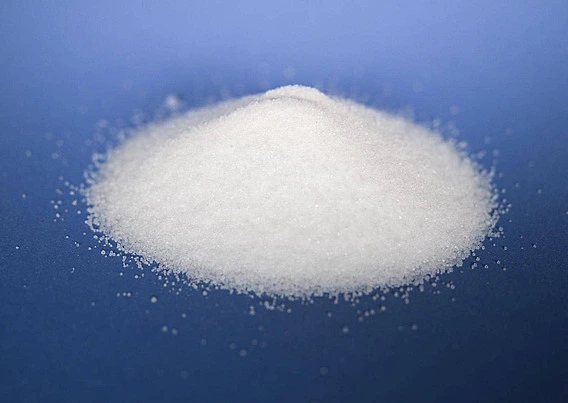
Citric Acid Monohydrate (E330)
SOURCE LINK :https://www.wcoomd.org/en/faq/harmonized_system_faq
Found this useful?