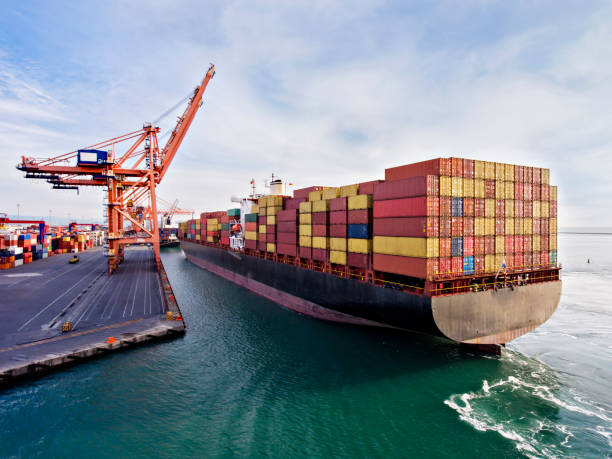
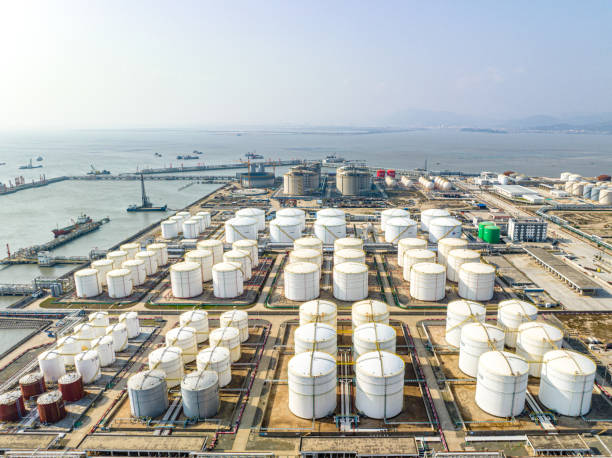
Brent crude is the benchmark that fuels the maritime industry. When its price falls, the cost of bunker fuel— the fuel used by ships—drops dramatically, creating a ripple effect across freight rates. Shipping companies adjust their BAF (Bunker Adjustment Factor) to reflect these changes, and the recalibration is announced each month. For chemical logistics, where margins are tight and fuel is a major expense, the July BAF reset is a key event that can shift pricing dynamics.
How Bunker Adjustment Factors are Calculated
The BAF is a multiplier applied to the base freight rate. It is derived from the average bunker fuel price over the preceding 30 days, adjusted for any global supply disruptions. Shipping lines publish a menstrually updated BAF table, which helps shippers predict the cost of movement from point A to point B. The formula is simple:
Calculate the average bunker price for the last month.
Apply a standard margin to cover operating costs.
Divide the result by the base rate to get the multiplier.
When Brent falls, the average bunker price drops, pulling the multiplier down. This directly lowers the freight charge for every container, including those carrying chemicals.
July 2024 BAF Reset Overview
In July 2024, Brent crude slid from $90 to $75 per barrel, a 17% decline. Shipping lines translated this into a BAF reduction of roughly 12%. The result was a noticeable drop in container freight rates across key routes—especially the Cape of Good Hope, a critical choke point for chemical shipments to Asia.
Impact on Container Freight for Chemical Shipments
Chemical shipping is unique due to its regulatory constraints and the need for specialized vessels. The lower BAF translates into:
Reduced base freight: Contracts that include a BAF clause see immediate cost savings.
Better margin control: Companies can lock in lower rates early in the season, mitigating the risk of a subsequent crude rebound.
Improved negotiation leverage: Shippers can demand more favorable terms, such as reduced demurrage or additional services at no extra cost.
Negotiating Freight Terms in a Low Crude Environment
Review existing contracts: Identify clauses that reference BAF and assess how the reset affects the agreed rates.
Request rate confirmation: Ask carriers to confirm the new BAF-adjusted freight rate in writing before committing to a shipment.
Leverage volume: Offer to consolidate cargo or increase shipment frequency in exchange for a deeper discount.
Consider alternative routes: A lower BAF may make longer routes via the Cape of Good Hope états more economical than traditional Pacific lanes.
Negotiate CIF vs. CFR: For CIF contracts, the carrier covers port fees and insurance; in a low BAF period, they may be more willing to absorb these costs to secure the business.
Strategic Procurement Tips for CIF and CFR Contracts
When negotiating CIF (Cost, Insurance, Freight) or CFR (Cost and Freight) contracts, shippers should:
Lock in BAF rates: Use a fixed BAF clause to avoid future hikes if crude prices rebound.
Include fuel surcharge caps: Set a maximum surcharge that protects against sudden fuel price spikes.
Request performance bonuses: Offer incentives for on-time delivery, particularly when route changes are involved.
Audit fuel consumption: Require carriers to provide fuel usage reports to ensure transparency.
The July BAF reset, driven by a significant decline in Brent crude prices, is reshaping freight rates for chemical shipments worldwide. By understanding how BAF calculations work, monitoring the impact on container costs, and strategically negotiating CIF and CFR terms, shippers can capitalize on lower bunker fuel costs and secure more favorable freight agreements. Staying proactive in procurement strategy will not only reduce operational expenses but also improve competitiveness in a market where fuel volatility remains a constant challenge.