How a $4+ Gasoline Price Shapes Grocery Inflation
When the cost of gasoline climbs above $4 a gallon, the impact ripples far beyond the fuel pump. Retailers, suppliers, and consumers feel the pressure as transportation expenses rise, pushing the cost of food ingredients higher and threatening the recent slowdown in grocery inflation.
Transportation Costs: The Frontline of Inflation
Gasoline is the lifeblood of the supply chain. A $4 gallon price means a 25% to 30% increase in fuel costs for trucking companies that deliver perishable and non‑perishable goods. This surge translates directly into higher freight rates, which retailers must absorb or pass on to shoppers.
Ingredient Procurement: From Farm to Fork
Higher fuel costs affect every link in the food chain. Farmers must pay more to transport harvested crops to processing plants. Processors face increased costs for moving raw materials and finished productsmai. When fuel prices rise, the cost of essential ingredients—such as dairy, grains, and produce—climbs, squeezing margins for manufacturers and retailers alike.
Supply‑Chain Resilience Strategies
Companies are adapting in several ways to mitigate the impact of volatile fuel prices:
Local Sourcing: Shifting to regional suppliers reduces transport distances and fuel consumption.
Digital Logistics: Real‑time tracking and route optimization lower fuel usage and improve delivery efficiency.
Contract Renegotiation: Long‑term freight agreements lock in rates, protecting against short‑term spikes.
Energy‑Efficient Vehicles: Investing in hybrid or electric trucks reduces dependence on gasoline.
Consumer Impact: Prices at the Checkout
When retailers adjust to higher transportation and procurement costs, the most visible effect is an uptick in shelf prices. While inflationary pressures have eased in recent months, a sustained $4+ gasoline price could reverse those gains, leading consumers to see higher prices on staples such as milk, bread, and fresh produce.
Global Ripple Effects
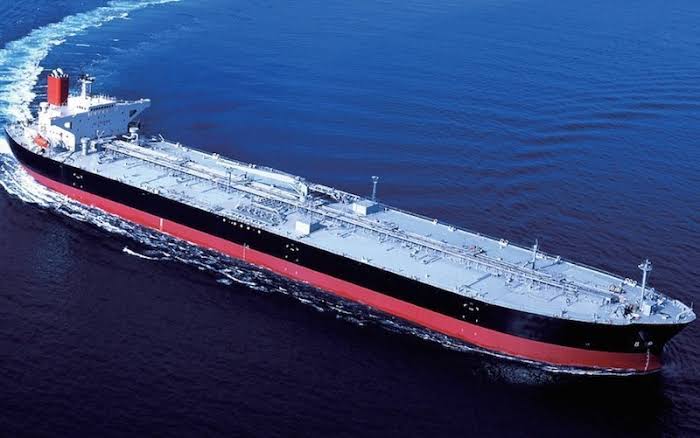
Fuel price hikes are not confined to domestic markets. International trade relies heavily on maritime and aerial transport, both of which are fuel‑intensive. Rising gasoline costs increase shipping rates, making imported goods more expensive and potentially reshaping global supply chains.
Policy and Market Responses
Governments and industry groups are exploring policy tools to cushion the blow. Proposals include:
Subsidized fuel for essential freight services.
Incentives for renewable energy adoption in logistics.
Strategic fuel reserves to dampen price volatility.
Meanwhile, market participants are monitoring fuel futures and hedging strategies to protect against sudden price spikes.
Looking Forward
While it is difficult to predict the exact trajectory of gasoline prices, the trend suggests that fuel costs will remain a critical lever in the food supply chain. Retailers, producers, and policymakers must remain vigilant, employing a mix of operational efficiencies, strategic sourcing, and supportive policies to safeguard both the bottom line and consumer affordability.