Germany's Chemical Sector at a 30 Year Capacity Low: What VCI's Forecast Signals for European Rankings
Germany's Chemical Sector at a 30 Year Capacity Low: What VCI's Forecast Signals for European Rankings
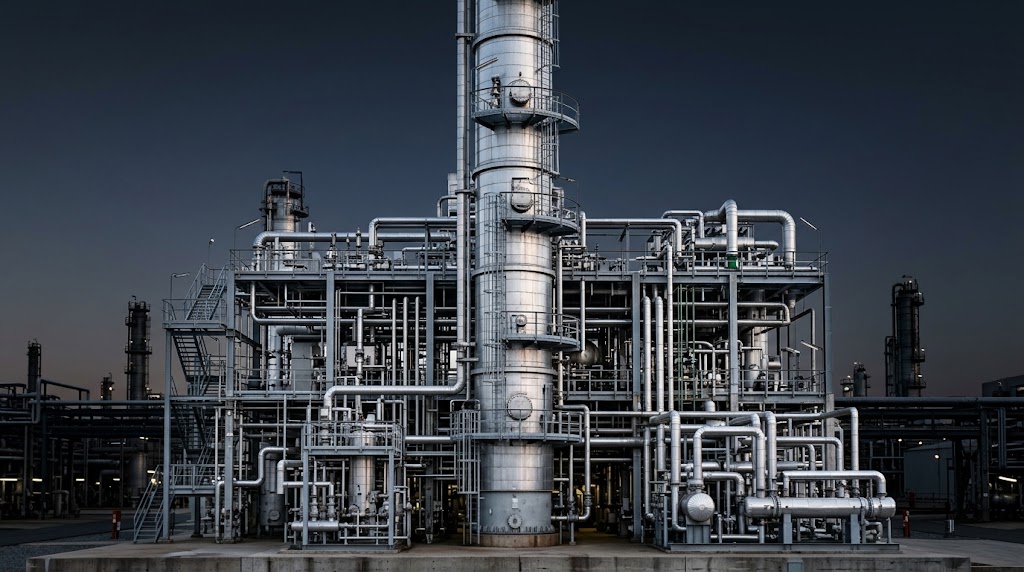
Germany’s chemical-pharmaceutical industry remains mired in a structural downturn that has pushed effective capacity utilization and investment to levels not seen in decades. The German Chemical Industry Association (VCI) reports that production in the first half of 2026 ran roughly 3% below the prior-year period, with a full-year decline of about 1.5% now expected. Many plants continue to operate well below the utilization rates required for profitable production—recent readings have hovered near 70–75%, against a rough threshold of 80% or higher for sustainable returns. Fixed-asset investment is approximately 15% below its 2023 level, and net productive investment in the broader economy has fallen to around 0.2% of output. For a country long regarded as Europe’s chemical powerhouse, the combination of falling output, chronic underutilization and capital flight signals a loss of ranking that extends beyond a single cyclical trough.
The VCI has stopped short of longer-range forecasts amid geopolitical volatility, yet its half-year assessment is unambiguous: no recovery is in sight, and the investment trend is particularly alarming.
Production and Utilization: Stuck Below the Line
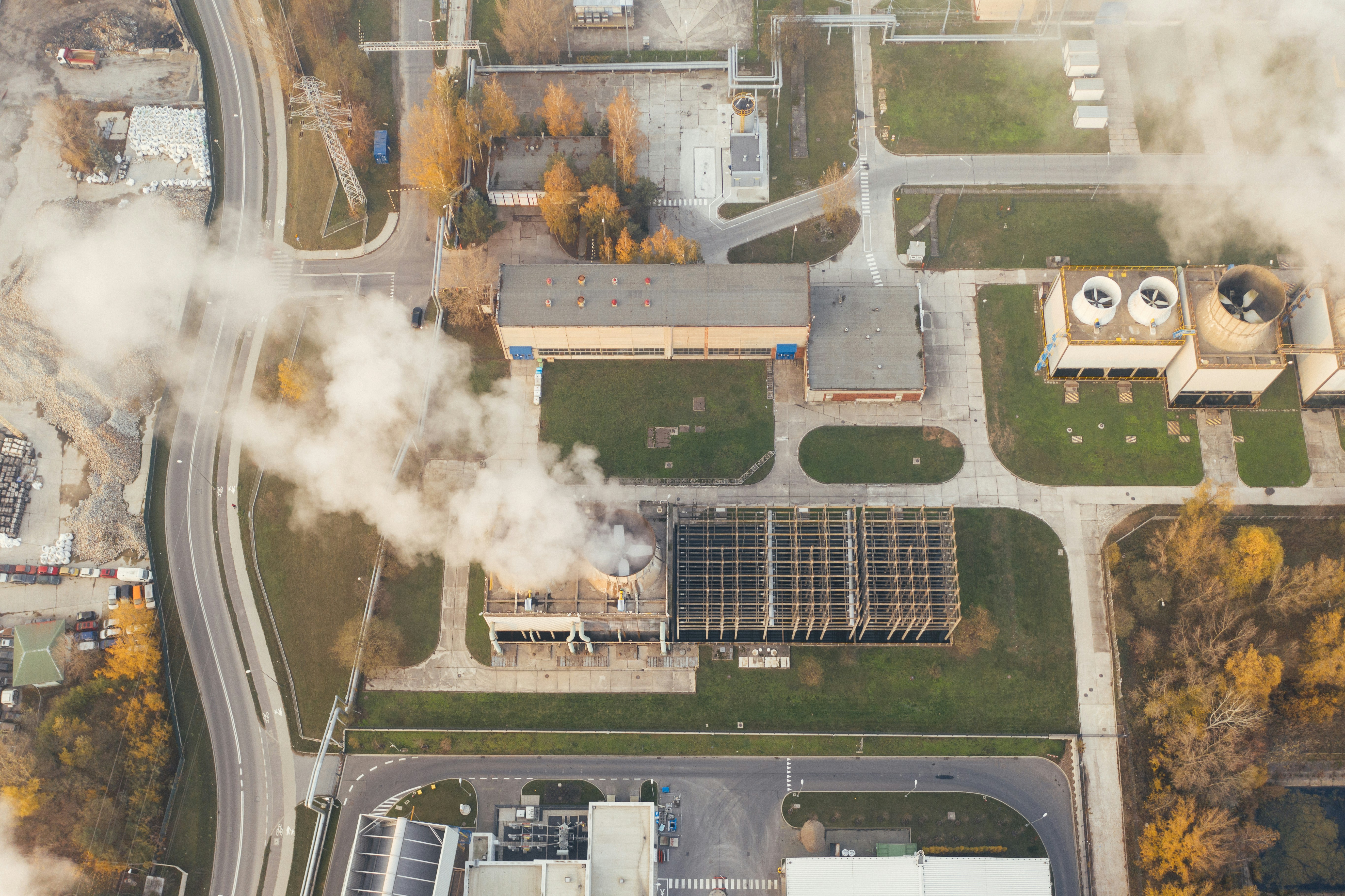
Output and sales volumes remain significantly below 2021 peaks. Domestic business has shown some stabilization in recent months, but exports stay weak and international competition intense. Capacity utilization has lingered in unprofitable territory for an extended period—government and industry assessments note that the sector has operated below the roughly 80% threshold needed for viable returns for nearly five years, with some quarters dipping toward 70%. First plant closures and restructuring announcements have already appeared.
When utilization remains depressed for this long, the practical effect is a de-facto capacity reduction even before formal shutdowns. High fixed costs are spread over lower volumes, margins stay under pressure, and the incentive to invest in debottlenecking or new grassroots capacity inside Germany evaporates.
Investment Collapse and Capital Flight
The VCI highlights the decline in property, plant and equipment spending as a core warning signal. Investment is now about 15% below 2023 levels and has been falling for a third consecutive year. Member surveys show that where companies are still committing capital, a larger share is directed abroad rather than into German sites. High energy and production costs, regulatory burden, lengthy permitting and perceived weakness in industrial policy rank among the chief barriers.
At the national level, productive net investment has shrunk to a fraction of a percent of economic output—leaving Germany near the bottom of international comparisons. Across Europe more broadly, capacity is being reduced without commensurate investment in replacement or future-oriented assets. The result is a gradual erosion of the continent’s, and especially Germany’s, weight in global chemical rankings.
What the Forecast Implies for European Standing
Germany has historically accounted for a disproportionate share of European chemical production, innovation and exports. Prolonged underutilization and negative net investment reverse that advantage. As German plants run below capacity or close, production and the associated technology base shift toward regions with lower energy costs, faster permitting or stronger demand growth—whether elsewhere in Europe, the Middle East, Asia or North America.
European rankings are not only about current tonnes; they are about the installed base that will determine future market share, export strength and the ability to supply downstream industries such as automotive, construction, agriculture and pharmaceuticals. A multi-year period of German (and broader European) capacity attrition without offsetting new investment implies a lower collective ranking in the next decade, even if individual companies remain globally competitive through their international footprints.
Structural Drivers Rather Than Pure Cycle
The VCI and parallel government assessments point to structural cost and framework disadvantages: elevated energy and feedstock prices, carbon and regulatory costs, slow permitting, and soft demand in key end markets. Geopolitical disruptions have added volatility, but the investment and utilization data predate the latest shocks and have persisted through multiple quarters. Temporary restocking or export windfalls have not been sufficient to restore profitable run rates or reverse the capital outflow.
Until the cost and policy environment changes enough to make German (and European) sites competitive for new or replacement capacity, the drift toward lower effective capacity and a weaker regional ranking is likely to continue.
Implications for Customers and Supply Chains
Buyers that have long relied on German and Northwest European chemical supply face a more fragmented and potentially less reliable regional base. Some molecules will remain available from surviving efficient assets; others will increasingly be sourced from non-European origins or from European sites outside Germany. Logistics patterns, inventory strategies and dual-sourcing decisions will adjust accordingly. For German producers themselves, the priority is survival and selective investment in the most competitive product lines and sites, often paired with growth capital deployed elsewhere.
Outlook
VCI’s 2026 assessment portrays a German chemical sector operating at utilization rates and investment levels consistent with a multi-decade competitive low. Production is still declining, plants remain underused, and capital is leaving rather than entering the domestic asset base. The forecast of another year of falling output, combined with the absence of a clear recovery path, signals that Europe’s traditional chemical ranking—anchored for decades by German strength—is being rewritten. Without a decisive improvement in energy costs, regulatory predictability and investment conditions, the erosion of capacity and relative standing is more likely to accelerate than to reverse.
Sources
Betaine Anhydrous
Found this useful?