Saudi Arabia Chemical Industry Reset: Tracking the 18-Month Gulf Production Recovery Timeline
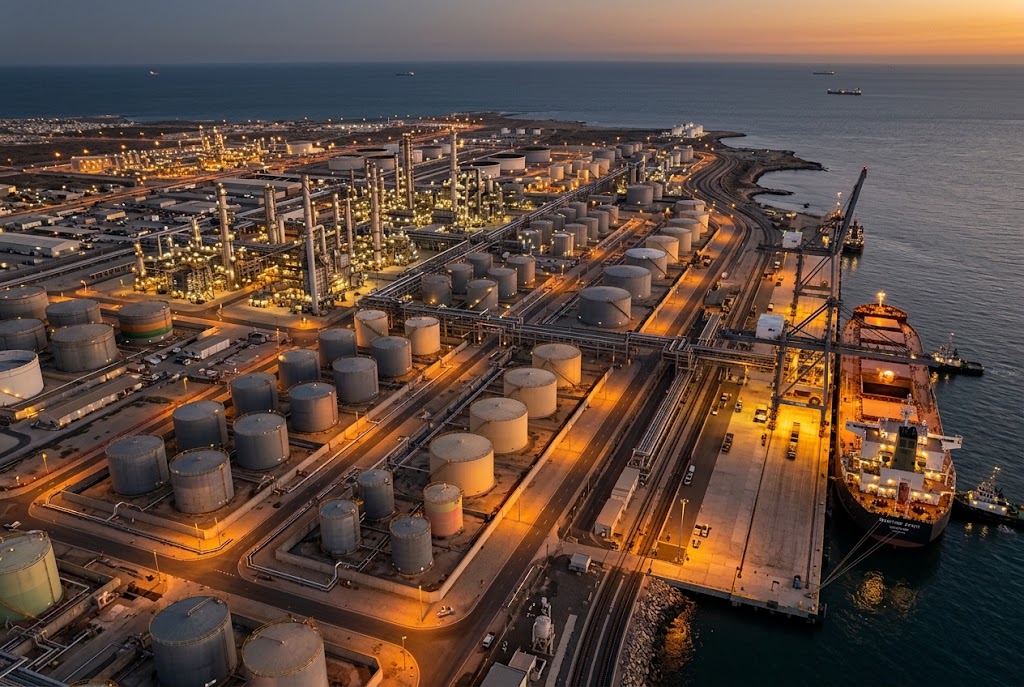
Saudi Arabian chemical production capacity represents approximately 12 percent of global petrochemical output. The 2026 Hormuz crisis caused this vital supply node to decline to just 34 percent of pre-crisis levels during the peak disruption in April 2026.
As of September 16, 2026, recovery stands at approximately 78 percent of the February 28 baseline. Full operational recovery is now projected for the first quarter of 2028.
This timeline marks a severe revision from initial estimates that promised a return to normalcy by the fourth quarter of 2026. Procurement managers and global chemical traders must adjust their strategies immediately.
The market reality dictates an 18-month Saudi recovery timeline that will keep global supply chains under immense pressure. Companies relying on historical availability metrics will face severe operational disruptions and margin compression.
Extended Maintenance Requirements for Emergency Shutdowns
Planned maintenance follows strict engineering protocols to protect complex chemical infrastructure. The crisis forced numerous Gulf facilities into sudden emergency shutdowns.
These abrupt halts bypass standard preservation procedures and cause accelerated equipment degradation. Units now require extensive mechanical inspections before restarting operations safely.
Engineers must replace compromised seals, valves and catalyst beds that degraded during the unplanned idle periods. Thermal stress from rapid cooling further damages sensitive reactor internals.
This extended maintenance cycle adds critical months to the overall restart timeline. Rushing these procedures risks catastrophic equipment failure and secondary safety incidents.
Workforce Reconstitution Challenges in Gulf Facilities
Operational recovery relies heavily on specialized human capital and institutional knowledge. The prolonged disruption triggered significant workforce reconstitution challenges across the entire region.
Industry data indicates that an estimated 12 percent of the expatriate technical workforce did not return post-crisis. This sudden loss of expertise severely slows down commissioning and ramp-up activities.
Facilities must now recruit and train replacement personnel while simultaneously managing complex restart procedures. Finding qualified process engineers and control room operators in a tight global labor market takes time.
The resulting labor bottleneck directly impacts the speed of production normalization. Companies cannot simply automate their way out of these specialized technical requirements.
Feedstock Supply Chain Reconfiguration Strategies
Gulf producers historically relied on highly integrated domestic crude supply chains. The crisis exposed the severe vulnerability of this single-source dependency.
Producers are now actively executing a feedstock supply chain reconfiguration to build long-term resilience. This strategic pivot involves integrating imported condensate alongside domestic crude to diversify feedstock inputs.
Sourcing, qualifying and logistics planning for these new imported streams require significant time. Establishing new marine terminal agreements and storage infrastructure cannot happen overnight.
This strategic shift delays full production capacity restoration but ensures greater future stability. Buyers must understand that this diversification is a permanent structural change.
Persistent Market Tightness Through 2027
The delayed Saudi recovery guarantees continued market tightness for key chemical derivatives. Global buyers will face constrained availability of polyethylene, polypropylene, ethylene glycol and methanol throughout 2027.
Polyethylene and polypropylene markets will feel the most acute pressure. These high-volume polymers rely heavily on Gulf crackers that are currently operating below optimal nameplate capacity.
Ethylene glycol and methanol face similar structural deficits. Alternative producers in North America and Asia cannot instantly scale output to fill an 18-month global supply gap.
This structural deficit supports elevated pricing versus 2023 to 2024 historical levels. Downstream industries like packaging, construction and automotive will absorb these higher input costs.
Market participants must prepare for sustained margin pressure and allocate budgets accordingly. Spot market volatility will remain a constant feature of the chemical trading landscape.
Impact on Downstream Manufacturing Sectors
The chemical supply shortage creates immediate ripple effects across global manufacturing. Automotive and construction sectors depend on consistent polymer deliveries for just-in-time production lines.
Extended lead times for polypropylene and polyethylene force these manufacturers to hold larger inventories. This shift transfers working capital burdens directly onto the end users of chemical products.
Packaging converters face similar challenges with ethylene glycol shortages. Inability to secure sufficient resin volumes threatens their ability to fulfill retail contracts.
These downstream industries will actively seek long-term supply guarantees from chemical producers. Suppliers who can demonstrate reliable delivery will command significant pricing power in the market.
The Role of Alternative Gulf Producers
Neighboring Gulf states are attempting to capture the market share left vacant by Saudi delays. However, these alternative producers face identical logistical and workforce constraints.
Regional infrastructure bottlenecks prevent rapid volume expansion across the entire Middle East. Port congestion and limited rail capacity restrict the movement of additional chemical tonnage.
Buyers cannot simply shift their entire procurement volume to nearby facilities. The regional supply ecosystem operates as an interconnected network rather than isolated independent nodes.
This reality reinforces the need for truly global supply chain diversification. Relying solely on the Middle East remains a high-risk strategy for the foreseeable future.
Revising 2027 Volume Growth Assumptions
Corporate planning teams must discard optimistic recovery models immediately. Companies holding 2027 volume growth assumptions based on full Saudi capacity restoration will face severe margin compression.
Financial models must incorporate persistent Saudi supply constraint as a baseline variable. Procurement strategies should prioritize long-term offtake agreements with alternative regional suppliers to guarantee volume.
Hedging against continued price volatility is now a mandatory risk management practice. Ignoring this reality invites catastrophic supply chain failures and lost market share.
Executive leadership must approve these revised baseline assumptions before finalizing annual procurement strategies. Accurate budget modeling protects the company from unexpected margin compression during the next fiscal year.
Financial Implications for Chemical Traders
Chemical trading firms must fundamentally reassess their working capital requirements. Holding inventory for extended periods ties up significant financial resources that could otherwise drive growth.
The cost of capital continues to rise in the current macroeconomic environment. Financing large chemical stockpiles directly compresses net profit margins for trading houses.
Traders must pass these carrying costs downstream through strategic pricing adjustments. Buyers must accept that the era of ultra-lean chemical supply chains is permanently over.
Financial institutions are also revising their lending criteria for chemical inventory. Lenders now demand rigorous proof of supply chain resilience before approving large credit facilities.
This tightening of credit markets forces trading companies to operate with greater capital efficiency. Strategic partnerships with well-capitalized producers will become increasingly valuable.
Strategic Sourcing Adjustments for Global Buyers
Chemical importers and exporters must adapt to this new extended reality. The 18-month Saudi recovery timeline is a fixed market condition, not a temporary fluctuation.
Buyers should audit their current feedstock dependencies and identify immediate substitution opportunities. Securing verified alternative supply channels today prevents operational paralysis tomorrow.
Negotiate longer payment terms with new suppliers to offset working capital strain. This financial flexibility preserves cash flow during periods of elevated inventory holding.
Update financial models to reflect permanent inventory carrying costs across all product lines. Accurate forecasting prevents unexpected margin compression during quarterly earnings reviews.
Establish clear trigger points for activating emergency buffer stock during future logistical disruptions. Proactive inventory management shields production lines from sudden shipping delays.
These proactive steps will protect the organization from the next inevitable supply shock. Agility requires both financial preparation and physical readiness.
What Buyers Should Do Now
The era of relying on predictable Gulf chemical output is over. The 18-month Saudi recovery timeline fundamentally alters the competitive landscape for global polymer and intermediate producers.
Procurement professionals need to rebuild their landed cost models using the new reality. Communicate this permanent cost shift to downstream customers immediately to prevent margin erosion.
Transparent pricing updates maintain healthy commercial relationships in a tight market. Proactive adaptation ensures your supply chain remains resilient and financially viable in the post-crisis environment.
Ready to source High Density Polyethylene (HDPE) from verified global suppliers? Explore competitive offers on our platform today.
Sources
https://www.sab...
https://www.reuters.com/business/energy/2026/saudi-chemical-production-recovery-timeline
https://www.icis.com/explore/resources/news/2026/gulf-petrochemical-maintenance-delays
https://www.chemicalweek.com/business/2026/saudi-workforce-reconstitution-challenges

High Density Polyethylene (HDPE)
Found this useful?