Germany's Postwar Industrial Identity Faces a New Test at Its Founding Site
Germany’s Postwar Industrial Identity Faces a New Test at Its Founding Site
Ludwigshafen has long stood as a physical embodiment of Germany’s postwar chemical-industry recovery. It was here that BASF re-emerged as an independent company in 1952 after the breakup of IG Farben and steadily constructed the integrated Verbund complex that became the operational and symbolic core of the world’s largest chemical enterprise. In May 2026 that same site recorded a full-time workforce below 30,000 for the first time since 1954, marking a demographic and organizational turning point at the location most closely associated with the industry’s postwar ascent.
The contraction is the visible result of multi-year restructuring aimed at restoring competitiveness amid high energy costs, subdued European demand and global capacity shifts. Asset selectivity, process simplification and workforce adjustments have raised the share of production units judged highly competitive, yet they have also reduced the absolute scale of employment that once defined the site’s identity. A site agreement still limits forced redundancies until the end of 2028, so the decline has occurred largely through attrition and voluntary measures; the numerical threshold nonetheless carries symbolic weight.
From Reconstruction Engine to Restructuring Arena
In the decades after 1952, Ludwigshafen functioned as both a production powerhouse and a statement of industrial continuity. Expansions, new technology platforms and the tight integration of upstream and downstream units turned the Rhine-side complex into a reference model for large-scale chemical manufacturing. That model delivered efficiency advantages when energy and demand conditions were favorable. When those conditions deteriorated, the same integration amplified fixed-cost pressure and made structural adjustment more consequential.
The current workforce milestone therefore tests more than one company’s cost base. It raises questions about the future role of large, energy-intensive Verbund sites within Germany’s industrial landscape. How successfully Ludwigshafen adapts—retaining technological depth while operating at a leaner scale—will influence perceptions of whether the postwar model of concentrated, integrated chemical production can still anchor regional prosperity and national industrial identity.
Implications for the German Chemical Cluster
For the broader specialty and commodity chemicals marketplace, the changes at Ludwigshafen illustrate the tension between historical scale and present-day economics. Customers, suppliers and policymakers continue to treat the site as a critical node in European supply chains; at the same time, its evolving headcount and asset profile signal that even the most iconic locations are subject to the same competitive disciplines as newer or lower-cost facilities.
The drop below the 30,000 threshold does not end manufacturing at Ludwigshafen. It does, however, close a seven-decade chapter in which steady or expanding employment formed part of the site’s postwar narrative. The next chapter will be written by the success or difficulty of aligning that historic industrial identity with the structural realities of the mid-2020s.
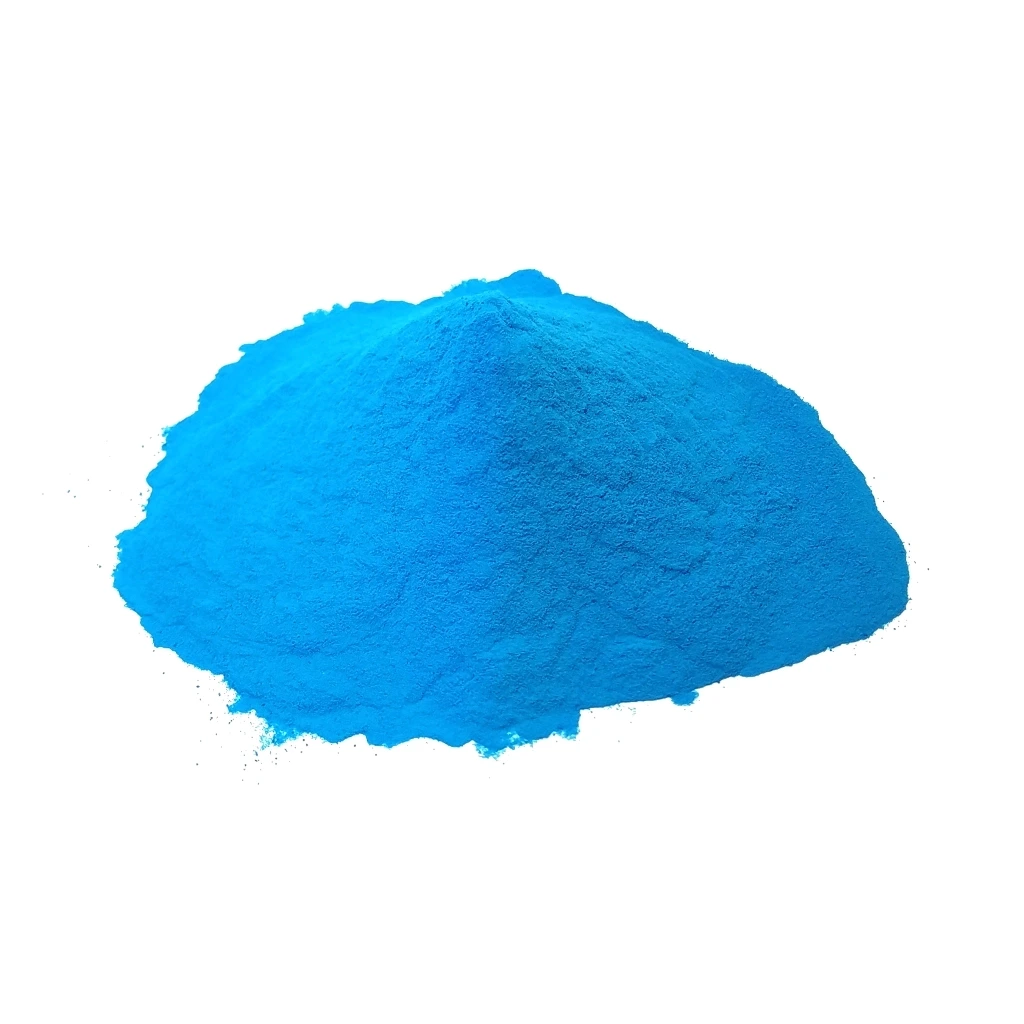
Ferrous Sulphate Heptahydrate (99.5%) - India
Found this useful?