
Germany's Spotlights 2026 Signals a Push for Structural Chemical Policy Reform
Germany's environment agency did not gather chemical industry stakeholders this year to discuss another round of regulatory fine tuning. The Umweltbundesamt's Spotlights 2026 event, held under the banner "Shaping the Chemical Transition Together," framed its central question far more bluntly. How can the chemical industry in Germany and Europe achieve coordinated structural transition rather than incremental adjustment.
That framing matters. It reflects a shift in how German regulators and industry groups are now talking about Europe's chemical competitiveness challenges, treating them as systemic rather than something a policy tweak here or there can resolve.
Why This Framing Represents a Shift
For years, European chemical policy discussions tended to center on individual regulatory instruments, a new reporting requirement here, an emissions threshold there. Spotlights 2026 explicitly moved past that framing.
The event's sessions reflect growing consensus among environmental regulators and industry that Europe's chemical competitiveness crisis requires a systemic policy response rather than another incremental fix.
One session examined what long term strategic leadership and responsibility look like for the chemical sector operating within planetary boundaries.
Another focused specifically on economy and governance, asking how effective policy can support the industry's sustainability transformation while maintaining competitiveness.
A dedicated breakout session tackled the practical gap between the European Union's Zero Pollution vision and what that vision actually means in day to day industry operation.
Who Was in the Room
Stakeholders across the value chain, from commodity producers to specialty formulators, were represented in the discussion, giving the event a broader scope than a typical single-sector policy briefing.
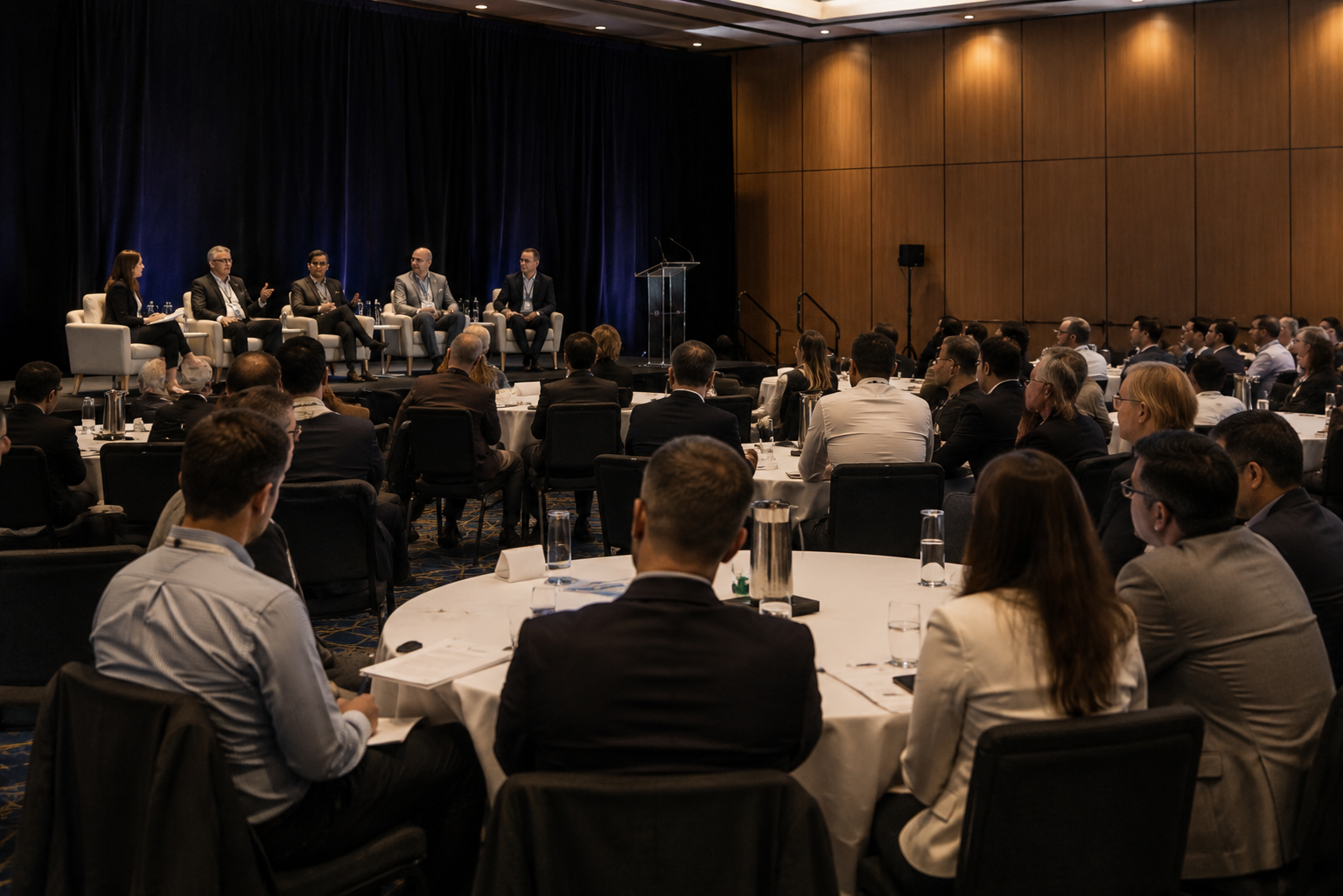
Environmental regulators, including senior figures from the German Environment Agency, framed the sessions around long term sector vision rather than immediate compliance deadlines.
Industry representatives spanning commodity chemical producers through specialty formulators brought different operational perspectives to the same policy questions.
Financial and research voices were included specifically to address financing strategies and innovation conditions alongside the regulatory discussion.
The Zero Pollution Gap
One of the sharper points raised across the sessions was the ambiguity built into the European Union's Zero Pollution vision itself. While the goal is broadly shared across the sector, what it actually means in practice differs across stakeholder groups, and clear long term operational criteria remain missing.
That gap between shared aspiration and undefined implementation criteria is precisely the kind of structural issue the event's central framing was pointing toward. A goal without agreed operational benchmarks is difficult for any single company to plan capital investment around.
Companies need clearer, consistent criteria to translate a broad sustainability vision into specific facility level compliance planning.
Divergent interpretations of shared policy goals across regulators, industry groups and individual companies slow coordinated action.
The breakout format was specifically designed to build mutual understanding and identify common ground rather than simply restate existing positions.
What Structural Transition Actually Requires
Sessions on economy and governance highlighted the European Green Deal as a driver for innovation, investment and industrial renewal, while also acknowledging the barriers standing in the way of coordinated action across interconnected chemical value chains.
Financing strategies were treated as a core policy lever, not a side consideration, reflecting how capital intensive structural transition in chemicals actually is.
Coordinated action across interconnected value chains was repeatedly named as a precondition for meaningful progress, since no single company can shift industry-wide competitiveness alone.
The event's closing sessions were built specifically to produce concrete recommendations for action rather than end on open discussion.
What This Means for Chemical Buyers and Producers
Policy conferences do not immediately change how chemicals get bought, sold or shipped. What events like Spotlights 2026 do signal is where regulatory pressure and industry consensus are heading over a longer horizon, which matters directly for capital planning and supply chain strategy.
Buyers working with European producers should expect continued policy attention toward Zero Pollution implementation criteria becoming more concrete over the coming years.
Producers across the value chain, from commodity to specialty, may face growing pressure to demonstrate structural transition progress rather than incremental compliance alone.
Financing conditions tied to sustainability transformation are likely to become a more prominent factor in how European chemical capacity expansion gets funded going forward.
Looking Ahead as Policy Recommendations Take Shape
The event's final session was built to translate outcomes from earlier discussions into concrete recommendations for action, grounded in a twenty year outlook for where the chemical industry could stand.
Whether that translates into actual coordinated policy in the near term remains to be seen, but the framing itself, treating competitiveness and structural transition as inseparable rather than competing goals, is likely to keep shaping how German and European regulators approach chemical sector policy through the rest of the decade.
The Bottom Line for Industry Stakeholders
Spotlights 2026 signals that Germany and the broader European chemical policy conversation has moved past piecemeal regulatory adjustment. Buyers, producers and formulators across the value chain should expect the structural framing established at this event to shape policy discussion well beyond 2026.
Staying engaged with how Zero Pollution implementation criteria and financing strategy discussions evolve will matter more for long term planning than tracking any single regulatory deadline in isolation.
2-Ethylhexyl Acrylate
Found this useful?