Ghent-Terneuzen Canal Upgrades Could Reshape Europe’s Freight Trade
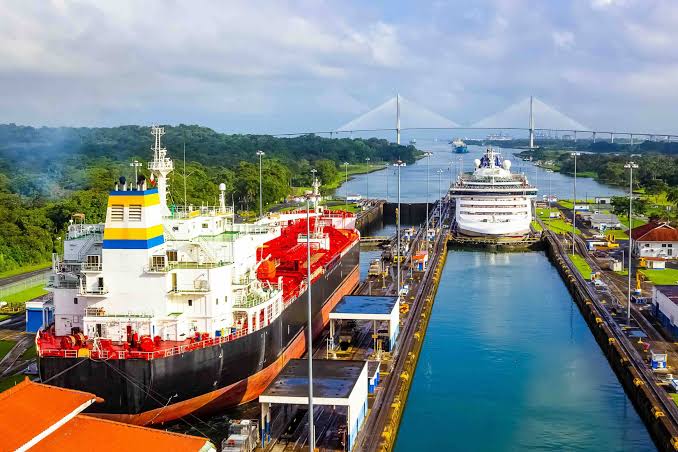
A new generation of larger vessels is changing the logistics equation around the Ghent-Terneuzen Canal, and North Sea Port wants the waterway to keep pace. The newly opened Terneuzen lock can accommodate NeoPanamax vessels, creating a stronger maritime gateway between the North Sea and the industrial areas around Ghent and Terneuzen.
For chemical traders, procurement managers and industrial buyers, the development has significance beyond port infrastructure. Better access for larger vessels can influence shipment planning, cargo consolidation, inland distribution and the overall reliability of bulk supply chains serving Belgium, the Netherlands and wider European markets.
Why the Ghent-Terneuzen Canal Matters to European Trade
The Ghent-Terneuzen Canal provides a direct water connection between the North Sea and major industrial clusters in Belgium and the Netherlands. Its position gives manufacturers and logistics operators access to maritime routes while also connecting cargo with inland transport networks.
The corridor is particularly important for industries that handle large volumes of raw materials, intermediates and finished products. Chemical companies often depend on predictable maritime logistics because bulk cargoes can involve substantial shipment volumes and strict delivery schedules.
The canal therefore represents more than a route for ships. It forms part of a wider supply chain linking seaborne imports with industrial production, storage facilities, distribution centres and inland markets.
North Sea Port is now looking beyond the opening of the new lock. The port wants further canal improvements so larger vessels can use more of the waterway rather than facing restrictions after entering the port system.
NeoPanamax Access Creates a New Logistics Opportunity
The New Lock at Terneuzen opened in October 2024 and measures 427 metres long, 55 metres wide and 16.44 metres deep. Its dimensions allow the passage of the latest generation of large seagoing vessels, including NeoPanamax ships.
That capability creates an important opportunity for cargo owners. Larger ships can potentially move greater quantities per voyage, which can improve the economics of long-distance bulk transportation when vessel capacity and cargo volumes align.
For chemical buyers, the implications can include:
Larger shipment options: Importers may be able to consolidate more cargo into individual maritime movements, depending on vessel specifications and canal conditions.
Improved access to industrial areas: Direct vessel access closer to production and storage locations can reduce the need for additional cargo handling.
More flexible logistics planning: Greater vessel capacity can provide another option when companies evaluate routes, shipment sizes and delivery schedules.
Potential cost efficiencies: Fewer intermediate handling requirements can support more efficient cargo movements across the supply chain.
The New Lock has already demonstrated its ability to support larger vessels, but the wider canal remains the next major piece of the infrastructure puzzle.
Canal Deepening Could Remove a Major Bottleneck
North Sea Port is targeting further optimisation of the Ghent-Terneuzen Canal, including deeper navigation conditions between the North Sea Locks and the Massagoedhaven area. The port’s roadmap targets a canal depth of 14.5 metres on this section, which could allow larger vessels to move further inland.
This matters because a large lock alone cannot deliver the full benefit of larger ships if restrictions remain elsewhere along the route. The objective is to create a more consistent maritime passage from the North Sea into the industrial port area.
The port also links canal improvements with a reduction in the need for lightering, where cargo gets transferred or partially unloaded to meet draft restrictions. Reducing this requirement could simplify cargo handling and improve the efficiency of bulk movements.
For procurement teams, the practical question is whether future infrastructure improvements can translate into more predictable delivered costs. Lower handling requirements, fewer intermediate operations and greater vessel flexibility could all influence landed-cost calculations.
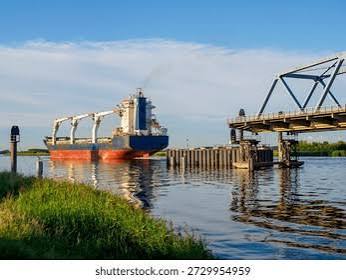
Wider Canal Access Could Strengthen Industrial Supply Chains
The planned upgrades have significance because the Ghent-Terneuzen corridor serves an established industrial and logistics ecosystem. North Sea Port describes the canal, rail network and road infrastructure as interconnected parts of its strategy for improving accessibility and multimodal freight movement.
This multimodal structure is especially relevant for chemical supply chains. A chemical shipment rarely ends when a vessel reaches port. Cargo often continues by inland barge, rail or truck before reaching a manufacturing plant, warehouse or distribution centre.
A stronger waterway therefore needs supporting infrastructure around it. North Sea Port is also developing the cross-border rail connection between Ghent and Terneuzen, with the aim of increasing capacity and addressing existing bottlenecks in rail freight.
For buyers, this creates the potential for a more diversified logistics strategy. Companies could combine maritime shipping with inland waterways, rail and road transport according to cargo characteristics, destination and delivery requirements.
What Larger Vessels Could Mean for Chemical Cargo
Chemical trade often involves products that move in bulk, drums, containers or specialised transport equipment. Infrastructure capable of handling larger vessels can therefore support several types of commercial activity, even when individual chemical products have different transport requirements.
Bulk chemical imports can benefit from higher vessel capacity where terminals have suitable unloading and storage facilities. Containerised chemical products can also gain indirectly if improved port access increases overall cargo capacity and reduces congestion across connected logistics networks.
The potential benefits are strongest when port infrastructure aligns with terminal capabilities. Buyers should therefore look beyond the headline vessel dimensions and assess the complete logistics chain from supplier loading point to final destination.
Key procurement considerations include:
Vessel compatibility with the selected terminal and cargo handling system.
Availability of suitable storage capacity after unloading.
Inland transport options from the port to the buyer’s facility.
Draft and navigation restrictions that could affect vessel utilisation.
Seasonal waterway conditions and their effect on shipment reliability.
These factors will determine how much value individual companies can extract from the corridor.
Water Availability Remains a Logistics Consideration
Greater infrastructure capacity does not eliminate operational risks. Water availability and canal conditions can still influence vessel movements, particularly during periods of drought or changing hydrological conditions.
North Sea Port reported in September 2026 that drought and water availability were affecting the Ghent-Terneuzen Canal, with implications for navigability, water availability and salinity. The port also reported draft restrictions during the period.
This highlights an important issue for procurement planning. A canal designed for larger vessels still needs sufficient water levels and dependable operating conditions to deliver its intended logistics performance.
Chemical buyers should therefore avoid evaluating the corridor solely on maximum vessel dimensions. Contract planning should also consider alternative routing, inventory buffers and the possibility of temporary navigation restrictions.
Rail and Road Connections Add Strategic Value
The freight opportunity around the Ghent-Terneuzen Canal extends beyond maritime transport. North Sea Port is also pursuing improvements to the rail connection between Ghent and Terneuzen, while road infrastructure around the Ghent port area is undergoing major development.
This is important because supply chain efficiency depends on the performance of every transport leg. A larger vessel can reduce maritime costs, but those gains can disappear if cargo encounters delays after leaving the terminal.
A more integrated network gives logistics managers additional options. Rail can handle longer inland movements, barges can support waterborne distribution and road transport can provide flexible final-mile delivery.
For chemical traders, multimodal access can also make sourcing from distant suppliers more practical. The ability to move cargo through different transport modes can help companies respond to capacity shortages, congestion or changes in freight economics.
The Trade Impact Could Extend Across Europe
The strategic ambition goes beyond Belgium and the Netherlands. North Sea Port aims to strengthen its position as a multimodal gateway connecting maritime trade with Europe's industrial hinterland.
The port's longer-term roadmap includes larger vessels reaching deeper into the Ghent area and eventually stronger connections with European inland waterways. North Sea Port also identifies the future Seine-Scheldt connection toward Paris as part of its longer-term vision for access to the European hinterland.
If these projects progress as planned, the corridor could become increasingly relevant for companies sourcing industrial materials across multiple European markets. A stronger connection between seaborne cargo and inland distribution can give importers more flexibility when selecting suppliers and shipment routes.
For chemical markets, that flexibility can matter when freight rates, vessel availability or regional production patterns change.
What Procurement Teams Should Watch Next
Procurement managers should track the development of the Ghent-Terneuzen Canal as part of their broader European logistics strategy. Infrastructure improvements can take years to deliver, but their commercial effects can influence supplier selection and freight planning well before completion.
The most relevant developments to monitor include:
Canal depth improvements: Greater depth could determine how effectively the New Lock's NeoPanamax capability translates into inland vessel access.
Terminal readiness: Larger ships require appropriate berths, unloading systems and storage capacity.
Waterway reliability: Drought, salinity and draft restrictions remain operational considerations.
Rail connectivity: Stronger cross-border rail links could provide an alternative to road-heavy inland distribution.
Multimodal integration: The greatest supply chain benefits will come when maritime, rail, inland waterway and road networks work together.
For chemical traders and importers, these developments should feed into route assessments and supplier negotiations. A port with expanding capacity can become more attractive when it offers not only larger vessel access but also dependable inland connections.
The Bottom Line for Chemical Buyers
The Ghent-Terneuzen Canal is moving into a new phase of development. The New Lock has already created access for NeoPanamax vessels, while planned canal optimisation aims to extend the benefits deeper into the port and industrial network.
For chemical procurement teams, the opportunity lies in understanding how infrastructure changes affect the complete delivered supply chain. Larger vessels, reduced lightering requirements, deeper navigation and stronger rail connections could improve the movement of bulk chemicals and other industrial cargoes into Europe's hinterland.
Ammonia Anhydrous
Found this useful?