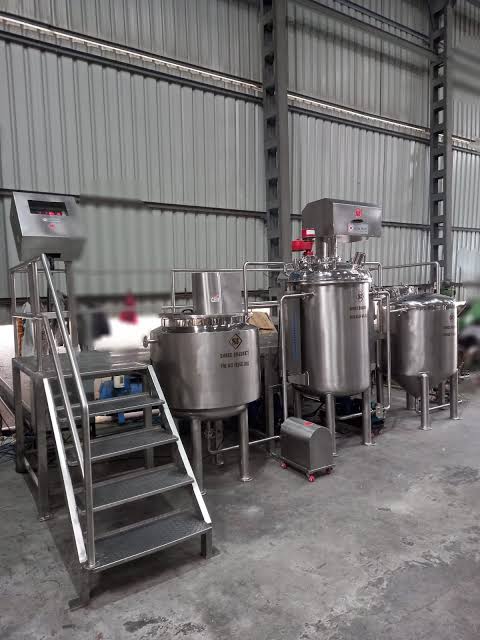
Global Chemical Distribution: Industry Guide
Global Chemical Distribution: How Distributors Connect Manufacturers with Buyers
Understanding Global Chemical Distribution
Global chemical distribution is an essential part of the chemical industry's supply chain. It involves purchasing, storing, transporting, marketing, and supplying chemical products from manufacturers to industrial buyers across different countries and regions.
Chemical manufacturers often focus on production, research, and product development rather than managing individual customer orders in multiple international markets. Distributors help bridge this gap by connecting manufacturers with businesses that require chemicals for manufacturing, processing, and other industrial applications.
These distributors serve industries such as pharmaceuticals, agriculture, food processing, cosmetics, paints and coatings, construction, and petrochemicals.
By managing sourcing, inventory, logistics, and customer relationships, chemical distributors help manufacturers reach a wider customer base while allowing buyers to access products from multiple suppliers through established distribution networks.
How Chemical Distributors Connect Manufacturers with Buyers
Chemical distributors perform several functions that support transactions between producers and end users.
1. Sourcing Chemicals from Manufacturers
Distributors establish relationships with chemical manufacturers to purchase products in bulk and supply them to different markets.
They may work with domestic producers, international manufacturers, and specialty chemical companies to develop a diverse product portfolio.
For buyers, this creates access to multiple chemical products without requiring direct commercial relationships with every manufacturer.
For manufacturers, distributors provide an additional sales channel that helps expand market coverage and reach smaller customers.
2. Managing Bulk Purchases and Smaller Orders
Many chemical manufacturers prefer selling products in large quantities because bulk transactions can improve production planning and commercial efficiency.
However, smaller manufacturers and industrial buyers may not require large volumes.
Distributors address this difference by purchasing larger quantities and supplying products in smaller, more manageable order sizes.
For example, a chemical manufacturer may produce and sell several metric tonnes of an industrial solvent in one transaction. A distributor can purchase that quantity and supply smaller volumes to multiple paint, coating, or cleaning product manufacturers.
This approach makes chemical procurement more accessible to businesses with different purchasing requirements.
3. Expanding Access to International Markets
International chemical trade involves different regulations, documentation requirements, transportation arrangements, and commercial practices.
Distributors with established international networks can help manufacturers enter new markets without building their own distribution infrastructure in every country.
They may provide support with:
Import and export documentation.
Customs clearance coordination.
Local market knowledge.
Supplier and buyer relationships.
Product registration requirements.
International transportation arrangements.
These services help reduce the operational complexity of cross-border chemical transactions.
Key Services Provided by Global Chemical Distributors
Chemical distributors offer more than product reselling. Their services often cover several important stages of the supply chain.
1. Warehousing and Inventory Management
Chemical products may require specialized storage conditions depending on their physical and chemical properties.
Some products need temperature-controlled facilities, while others require segregation, ventilation, fire protection, or specialized containment systems.
Distributors manage inventory to ensure that products are available when buyers need them.
Effective inventory management involves:
Monitoring stock levels.
Managing product shelf life.
Applying batch identification and traceability.
Maintaining appropriate storage conditions.
Coordinating replenishment schedules.
Reducing unnecessary inventory costs.
Reliable warehousing helps minimize supply interruptions and supports consistent product availability.
2. Transportation and Logistics
Chemical transportation requires careful planning because products may be corrosive, flammable, toxic, reactive, or environmentally hazardous.
Distributors coordinate transportation through road, sea, rail, and air freight, depending on the product classification, destination, and shipment requirements.
Their logistics responsibilities may include:
Selecting suitable transportation providers.
Coordinating shipment schedules.
Arranging compliant packaging.
Managing dangerous goods documentation where applicable.
Monitoring shipment progress.
Coordinating customs clearance.
Arranging cargo insurance where required.
International transactions may also use Incoterms published by the International Chamber of Commerce (ICC) to clarify the responsibilities of buyers and sellers regarding delivery, costs, and transportation risks.
3. Technical Support and Product Selection
Industrial buyers often need technical guidance before purchasing chemical materials.
Distributors may provide product information, technical data sheets, Certificates of Analysis (COAs), and Safety Data Sheets (SDS).
For specialty chemicals, they may also help buyers identify suitable alternatives based on application requirements, compatibility, performance, and cost.
This technical support can help manufacturers select appropriate raw materials and maintain product consistency.
4. Regulatory Compliance and Documentation
Chemical regulations vary across international markets. Distributors must understand the applicable requirements for importing, storing, labelling, transporting, and selling chemical products.
Depending on the destination and chemical classification, relevant frameworks may include:
REACH regulations in the European Union.
CLP classification, labelling, and packaging requirements.
Globally Harmonized System (GHS) requirements.
Applicable dangerous goods transportation regulations.
Local chemical import and environmental regulations.
Distributors may coordinate compliance documentation and communicate regulatory requirements to manufacturers and buyers.
However, legal responsibility depends on the specific regulatory framework and the role of each party in the supply chain.
Challenges Facing the Global Chemical Distribution Industry
Although chemical distributors play an important role in international trade, they face several commercial and operational challenges.
1. Raw Material Price Volatility
Chemical prices can fluctuate due to changes in crude oil prices, natural gas costs, energy markets, production capacity, and global demand.
These fluctuations can affect distributor purchasing costs, inventory valuation, and customer pricing.
Distributors must monitor market developments and maintain flexible procurement strategies to manage price uncertainty.
2. Supply Chain Disruptions
Geopolitical tensions, port congestion, shipping delays, trade restrictions, and natural disasters can interrupt international chemical shipments.
Distributors may need to identify alternative suppliers, maintain safety stock, and diversify transportation routes to reduce supply risks.
Building relationships with multiple qualified manufacturers can also help businesses respond to unexpected production or logistics disruptions.
3. Regulatory Complexity
Different countries have different chemical classification, registration, import, and transportation requirements.
A product that can be freely marketed in one country may require additional registration or documentation in another.
Distributors must stay informed about changing regulations to avoid customs delays, compliance violations, and disruptions to customer deliveries.
4. Storage and Product Safety
Certain industrial chemicals require specialized storage infrastructure and strict handling procedures.
Improper storage can result in contamination, product degradation, leakage, fire hazards, or chemical reactions.
Distributors must invest in suitable facilities, trained personnel, and appropriate safety management systems to protect products, employees, and surrounding communities.
The Role of Digital Platforms in Chemical Distribution
Digital transformation is changing how manufacturers, distributors, and buyers interact across the chemical supply chain.
Traditional chemical distribution often depends on direct sales teams, emails, telephone communication, and established business networks. Digital platforms are making product discovery, supplier comparison, and procurement more accessible.
1. Online Chemical Marketplaces
B2B chemical marketplaces allow buyers to explore products, compare suppliers, review specifications, and submit purchasing requirements through digital platforms.
These platforms can bring multiple manufacturers and distributors together in one environment, helping buyers identify potential sourcing opportunities.
Features may include:
Product catalogues and technical specifications.
Verified supplier profiles.
Request for Quotation (RFQ) systems.
Bulk purchasing options.
Sample requests.
Digital order management.
Shipment tracking.
2. Improved Supplier and Buyer Connectivity
Digital procurement platforms can reduce communication gaps between manufacturers, distributors, and buyers.
Instead of contacting multiple suppliers individually, buyers can submit their requirements through a centralized system and receive quotations from interested suppliers.
This can improve procurement efficiency, increase market visibility, and simplify supplier discovery.
3. Data-Driven Inventory and Procurement Decisions
Digital inventory systems help distributors monitor stock levels, identify purchasing patterns, and plan replenishment activities.
Market intelligence tools can also support decisions by tracking chemical price movements, regional demand, and supply availability.
These capabilities help distributors improve inventory planning and respond more effectively to changing customer requirements.
How Chemical Distributors Create Value for Manufacturers and Buyers
Chemical distributors provide commercial and operational benefits to both sides of the supply chain.
For manufacturers:
Access to new geographical markets.
Reduced need for independent distribution infrastructure.
Opportunities to reach smaller industrial customers.
Support with local sales and customer relationships.
Improved market coverage.
For buyers:
Access to a wider range of chemical products.
Flexible purchasing quantities.
Simplified sourcing and procurement.
Local inventory availability.
Technical documentation and product support.
Assistance with transportation and delivery coordination.
By connecting both sides, distributors help improve the movement of chemical products from production facilities to industrial applications.
Future Trends in Global Chemical Distribution
The global chemical distribution industry is evolving as businesses prioritize supply chain resilience, sustainability, digital procurement, and operational efficiency.
Several developments are likely to influence the sector.
Digital procurement expansion: More buyers and suppliers are adopting online marketplaces, automated quotation systems, and integrated procurement platforms to simplify transactions.
Sustainable chemical sourcing: Growing interest in lower-carbon materials, bio-based chemicals, and responsible sourcing is encouraging distributors to expand their sustainable product portfolios.
Regional supply chain diversification: Businesses are exploring alternative sourcing destinations and regional distribution networks to reduce dependence on individual markets.
Advanced inventory management: Data analytics, forecasting tools, and digital inventory systems are helping distributors improve stock planning and reduce supply interruptions.
Greater regulatory transparency: Buyers increasingly expect reliable product documentation, traceability, and clear information about chemical safety and regulatory compliance.
These developments are creating new opportunities for distributors that can combine reliable sourcing with efficient logistics and digital services.
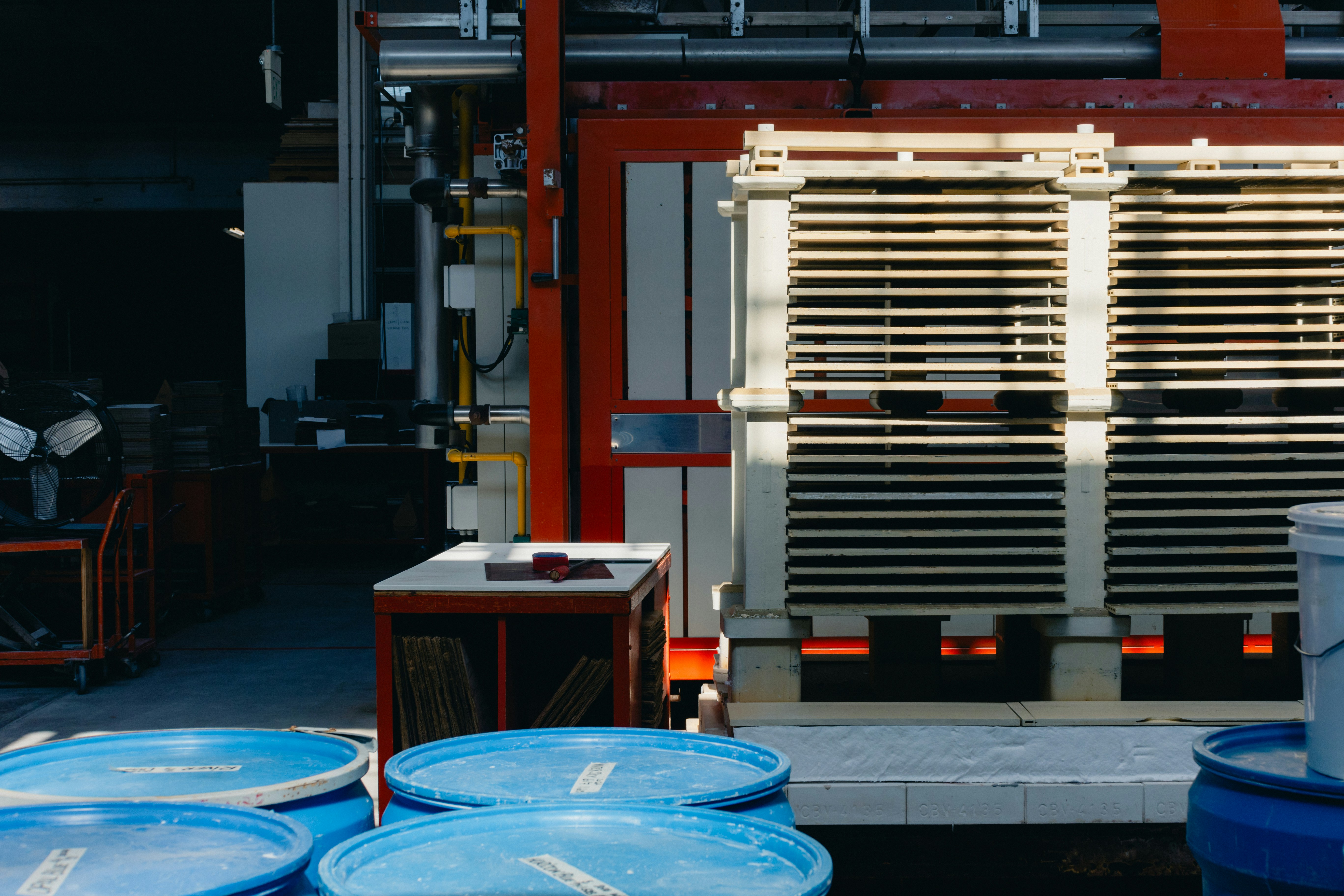
Strengthening Global Chemical Supply Chains Through Distribution
Global chemical distributors play a critical role in connecting manufacturers with buyers across international markets. Their services extend beyond purchasing and reselling products to include warehousing, logistics, technical support, compliance coordination, and inventory management.
As the chemical industry becomes more interconnected, distributors must adapt to changing customer expectations, regulatory requirements, and supply chain challenges.
Digital B2B marketplaces, diversified sourcing networks, and improved inventory management are creating opportunities to make chemical procurement more transparent and efficient.
For manufacturers, distributors provide access to broader markets. For buyers, they simplify sourcing and improve product accessibility. Together, these functions help strengthen international chemical trade and build more reliable supply chains.
Source Links
European Association of Chemical Distributors (FECC) – European Chemical Distribution Industry
International Chamber of Commerce (ICC) – Incoterms Rules
European Chemicals Agency (ECHA) – Understanding REACH
International Council of Chemical Associations (ICCA) – Chemical Industry and Global Initiatives
United Nations Environment Programme (UNEP) – Global Framework on Chemicals
Responsible Care – Global Chemical Industry Initiative
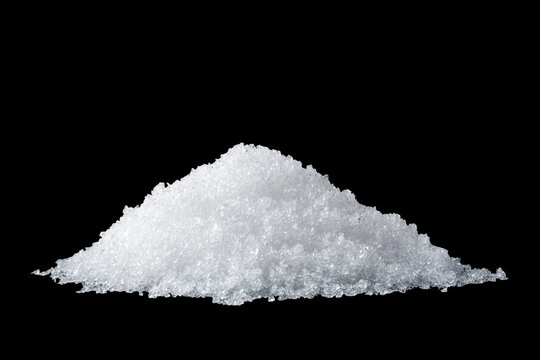
Acesulfame Potassium (E950)
Found this useful?