Global Chemical Supply Chains: Key Challenges and Strategies for Improving Resilience
Global chemical supply chains connect manufacturers, raw material producers, distributors and industrial buyers across multiple countries. However, geopolitical tensions, transportation disruptions, changing trade policies and unpredictable raw material availability are making international chemical sourcing increasingly complex.
Global chemical supply chains play a critical role in maintaining production across industries such as agriculture, pharmaceuticals, construction, food processing, automotive manufacturing and consumer goods. A disruption at one stage of the supply network can affect several downstream businesses, creating delays, increasing procurement costs and limiting product availability.
For chemical traders, importers, exporters and procurement managers, supply chain resilience has become an important business priority. Companies must look beyond purchasing products at competitive prices and develop sourcing strategies that protect operations against unexpected market changes.
Understanding the Structure of Global Chemical Supply Chains
The chemical supply chain involves several interconnected activities, starting with the extraction and processing of raw materials and ending with the delivery of finished chemicals to industrial customers.
Petroleum, natural gas, minerals and agricultural feedstocks provide the foundation for many chemical products. Manufacturers convert these inputs into basic chemicals, intermediates and specialty products before distributors and traders move them through domestic and international markets.
A typical chemical supply chain includes:
Raw material suppliers: Provide petroleum derivatives, natural gas, minerals and other essential production inputs.
Chemical manufacturers: Convert raw materials into industrial chemicals, solvents, additives, polymers and specialty formulations.
Distributors and trading companies: Connect producers with international buyers, manage product availability and coordinate commercial transactions.
Logistics providers: Handle transportation, warehousing, packaging and delivery through road, rail, sea and air networks.
Industrial buyers: Purchase chemicals for manufacturing, formulation, processing and other commercial applications.
Each stage depends on the reliable performance of the others. For example, a shortage of natural gas can affect ammonia production, while limited availability of ammonia can create challenges for fertilizer manufacturers and agricultural supply chains.
This interconnected structure makes chemical supply networks particularly sensitive to disruptions that affect raw material availability, production capacity or international transportation.
Major Challenges Affecting International Chemical Trade
Chemical companies operate in an international environment where economic, political and operational conditions can change quickly. These developments create risks for manufacturers and buyers that depend on consistent supplies.
Several challenges have become particularly important for the chemical trading industry.
1. Geopolitical tensions and trade restrictions
Political conflicts, international sanctions and changing trade relationships can interrupt established chemical trading routes. Restrictions on exports or imports may also limit access to specific raw materials and finished products.
Businesses that depend heavily on suppliers from politically sensitive regions face additional uncertainty. Even when production continues normally, changes in trade policies or customs requirements can delay shipments and increase procurement costs.
2. Raw material shortages and price volatility
Chemical production depends on the continuous availability of essential feedstocks. Changes in petroleum prices, natural gas availability and mineral supplies can influence manufacturing costs across multiple product categories.
When raw materials become difficult to obtain, manufacturers may reduce production rates or increase selling prices. Buyers then face higher purchasing costs and greater uncertainty when negotiating long-term supply agreements.
3. Transportation and logistics disruptions
International chemical trade relies heavily on maritime shipping, ports, freight services and specialized storage facilities. Port congestion, container shortages, shipping route disruptions and increased freight charges can affect delivery schedules.
Chemical products also require specific handling and transportation conditions. Some materials need temperature control, specialized containers or hazardous cargo procedures, which can reduce available transportation options during disruptions.
4. Regulatory and customs complexity
Different countries maintain their own chemical safety, import documentation, labeling and environmental requirements. Businesses must understand these regulations before exporting or importing products.
Changes in compliance requirements can create additional costs and administrative delays, particularly for traders working across several international markets.
How Supply Chain Disruptions Affect Chemical Manufacturers and Buyers
A supply chain disruption rarely affects only one company. Its impact can move through several stages of the chemical value chain, creating operational and financial pressure for businesses that may have no direct relationship with the original disruption.
For manufacturers, delayed raw material deliveries can interrupt production schedules. If an essential chemical input becomes unavailable, a facility may struggle to maintain its normal output even when other materials remain accessible.
Distributors and chemical traders face a different set of challenges. They must manage customer expectations, identify alternative suppliers and respond to changing freight costs while protecting their commercial relationships.
Industrial buyers may experience:
Higher procurement expenses: Limited product availability and increased transportation costs can push purchasing prices upward.
Production interruptions: Delayed chemical deliveries can prevent manufacturers from completing scheduled production activities.
Longer delivery periods: Shipping disruptions and customs delays can make previously reliable delivery schedules unpredictable.
Inventory pressure: Buyers may need to hold additional stock, increasing storage expenses and working capital requirements.
Contract difficulties: Unexpected price movements and supply shortages can complicate existing purchasing agreements.
The impact can become particularly serious when businesses depend on one supplier for a critical chemical that has limited substitutes.
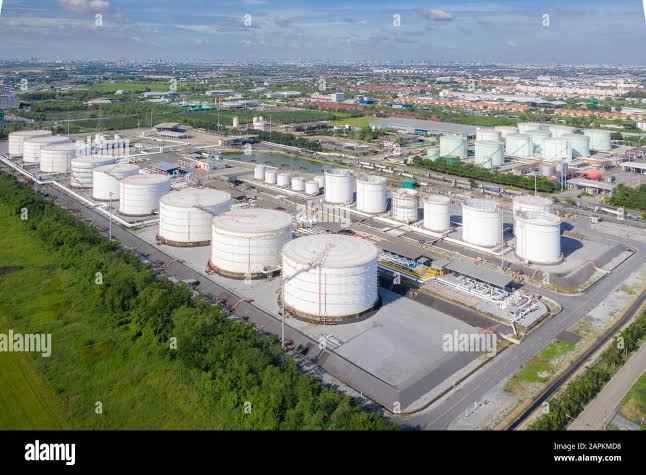
Strategies for Building More Resilient Chemical Supply Chains
Chemical businesses cannot prevent every international disruption, but they can reduce their exposure through better procurement planning, supplier diversification and operational flexibility.
The OECD's research on supply chain resilience emphasizes the importance of preparing for different categories of disruption rather than relying on a single supply security measure. This approach is particularly relevant to chemical companies that operate across interconnected international markets.
OECD+1
The following strategies can help businesses improve supply chain reliability.
1. Diversify suppliers and sourcing regions
Relying on a single supplier or country can create unnecessary exposure when production or transportation problems occur. Companies should identify alternative suppliers in different geographical regions and assess their ability to meet product specifications.
For example, a buyer sourcing methanol from one international market could evaluate additional producers in other regions. This creates more purchasing flexibility when the primary source experiences production difficulties or shipping delays.
Supplier diversification should consider:
Production capacity and product availability.
Consistent quality and technical specifications.
Export capabilities and shipping arrangements.
Financial stability and commercial reliability.
Regulatory compliance and documentation standards.
2. Maintain strategic inventory levels
Businesses that operate with extremely limited inventory can become vulnerable when deliveries arrive late. Maintaining appropriate safety stock provides additional time to respond to transportation delays or unexpected shortages.
However, holding excessive chemical inventory can increase warehousing expenses and create product deterioration or safety concerns. Procurement teams should determine stock levels according to product demand, delivery lead times, storage requirements and market volatility.
3. Strengthen supplier relationships
Long-term supplier relationships can improve communication and provide better visibility into production schedules and product availability.
Regular discussions with manufacturers and distributors help buyers understand upcoming maintenance shutdowns, capacity limitations and possible delivery delays.
Businesses should also establish clear purchasing agreements that address delivery schedules, product specifications, payment conditions and procedures for managing unexpected disruptions.
4. Develop alternative logistics arrangements
Companies should avoid depending entirely on one shipping route or transportation provider. Evaluating alternative ports, shipping lines and inland transportation options can improve flexibility during logistical disruptions.
For chemical traders, understanding the transportation requirements of different products is equally important. Hazardous chemicals, liquid bulk materials and temperature-sensitive products may require specialized logistics arrangements.
5. Improve supply chain visibility
Digital procurement and supply chain management systems can help businesses monitor orders, shipments, inventory levels and supplier performance.
Better visibility allows procurement teams to identify potential problems earlier and make informed purchasing decisions.
Companies can use digital systems to:
Monitor shipment progress and expected arrival dates.
Track inventory levels across multiple warehouses.
Maintain supplier records and purchasing histories.
Compare procurement costs across sourcing regions.
Identify repeated delivery delays and supplier performance issues.
The Role of Chemical Traders and Distributors in Supply Chain Resilience
Chemical traders and distributors play an important role in connecting international producers with industrial buyers. Their market knowledge, supplier networks and logistics relationships can help businesses respond to changing supply conditions.
Unlike manufacturers that concentrate on specific production facilities, trading companies can work with multiple suppliers and explore sourcing opportunities across different countries.
This flexibility becomes valuable when buyers face limited availability or unexpected price increases.
Professional chemical traders can support supply chain resilience through several activities:
Alternative sourcing: Identifying additional producers when existing suppliers cannot fulfil purchasing requirements.
Market intelligence: Monitoring chemical prices, production developments and international trade conditions.
Product availability: Connecting buyers with suppliers that have suitable grades and available inventory.
Import and export coordination: Supporting commercial documentation, shipping arrangements and customs procedures.
Procurement flexibility: Helping buyers compare different supply options based on price, quality and delivery requirements.
Reliable trading relationships also improve communication between producers and end users. This allows businesses to respond more effectively when market conditions change.
Why Regional Sourcing and Global Diversification Both Matter
Regional sourcing has gained attention as companies reconsider the risks associated with long international supply routes. Purchasing from geographically closer manufacturers can reduce transportation distances, simplify communication and potentially shorten delivery times.
However, regional sourcing does not automatically guarantee supply security. A local supplier may depend on imported feedstocks or intermediates, creating indirect exposure to international disruptions.
For this reason, businesses should balance regional purchasing with broader international supplier diversification.
A practical sourcing strategy can combine:
Local suppliers for frequently purchased chemicals and urgent requirements.
Regional manufacturers for shorter delivery routes and operational flexibility.
International producers for specialized grades, larger volumes and competitive pricing.
Backup suppliers for chemicals that are essential to production continuity.
The OECD's 2025 Supply Chain Resilience Review also highlights that excessive relocalization can create economic costs without necessarily improving resilience. Businesses therefore need balanced sourcing networks rather than simply moving all purchasing activities closer to home.
OECD
Regulatory Compliance and Sustainability in Chemical Supply Chains
Regulatory compliance represents another important part of supply chain resilience. Chemical traders and manufacturers must understand the legal requirements governing the production, transportation, import and export of their products.
Regulations such as the EU REACH framework influence how businesses register, evaluate and communicate information about chemical substances. Other markets maintain their own requirements for safety data sheets, hazardous goods transportation, labeling and environmental protection.
Companies should establish reliable procedures for maintaining:
Safety Data Sheets (SDS) and technical documentation.
Certificates of Analysis (COA) where required.
Product specifications and quality records.
Chemical classification and labeling information.
Import permits and export documentation.
Applicable environmental and transportation compliance records.
Sustainability also influences supply chain decisions. Manufacturers and buyers increasingly consider energy consumption, emissions, waste management and responsible raw material sourcing when evaluating suppliers.
Businesses that improve resource efficiency and adopt responsible procurement practices can strengthen their long-term commercial position while preparing for changing environmental requirements.
What Procurement Teams Should Prioritize for 2027
Chemical procurement strategies must increasingly account for supply risks rather than focusing exclusively on short-term purchasing prices. Businesses entering 2027 should place greater emphasis on flexibility, supplier reliability and supply chain visibility.
Several practical priorities deserve attention.
Build a supplier risk assessment process. Procurement teams should regularly evaluate suppliers based on geographical exposure, production capacity, financial stability, compliance and delivery performance.
Identify critical chemicals. Businesses should determine which materials could interrupt production if supplies become unavailable. These products may require additional inventory or alternative sourcing arrangements.
Review purchasing agreements. Long-term contracts should clearly address delivery responsibilities, pricing arrangements and procedures for managing unexpected supply disruptions.
Monitor market developments. Changes in feedstock prices, trade restrictions, production shutdowns and freight conditions can influence purchasing decisions. Regular market monitoring helps buyers respond before disruptions become serious operational problems.
Invest in stronger supplier communication. Frequent discussions with manufacturers and distributors can provide early information about potential shortages and changing delivery schedules.
Deloitte's 2026 analysis of chemical plant closures also highlights how production restructuring can reshape supply networks and create new dependencies. As manufacturing capacity changes across regions, procurement teams need to understand how supplier closures and industrial restructuring may affect their existing sourcing arrangements.
Deloitte Insights
Building Long-Term Resilience Through Smarter Chemical Sourcing
Global chemical supply chains will continue to face challenges from geopolitical developments, raw material availability, transportation costs and changing regulatory requirements. Businesses that depend on international chemical trade must prepare for these conditions through stronger procurement planning and more flexible supplier networks.
For manufacturers, this means protecting production continuity through reliable raw material access. For importers and exporters, it means understanding international market conditions, evaluating logistics alternatives and maintaining strong commercial relationships.
Chemical traders and procurement managers should also recognize that the lowest purchasing price does not always represent the best sourcing decision. Supplier reliability, product quality, delivery performance and regulatory compliance all contribute to the total value of a chemical transaction.
A resilient supply chain does not depend on avoiding every disruption. It depends on having sufficient alternatives, information and operational flexibility to respond when disruptions occur
2-Ethylhexyl Acrylate
Found this useful?