Global Ethylene Rebalancing: When Does Supply Finally Catch Up With Demand?
Global ethylene markets are entering a major restructuring phase, but the central question is whether capacity closures can happen fast enough to offset continued new supply. S&P Global expects around 6 million tonnes of new ethylene capacity in Asia and the Middle East in 2026 alone, while weak downstream demand keeps many crackers operating below optimal rates. South Korean crackers, for example, have been running at around 75% utilization amid weak demand.
Japan and South Korea Are Cutting Capacity
Asian producers are responding with aggressive rationalization. Japan is expected to remove more than 25% of its ethylene capacity, with several crackers scheduled to close between 2027 and 2028. South Korea is targeting a reduction of 2.7–3.7 million tonnes per year, equivalent to roughly 20–28% of its naphtha-fed cracker capacity. These closures should eventually tighten regional supply, but the timing remains uncertain because many shutdowns will occur gradually rather than simultaneously.
China Keeps Adding Capacity
The biggest obstacle to a faster global recovery is China. Despite its efforts to tackle overcapacity through its anti-involution policies, China is still adding substantial ethylene and polyethylene capacity. One 2026 industry assessment estimates another 7–8 million tonnes per year of ethylene capacity and around 6 million tonnes per year of polyethylene capacity are being added. That means China's new supply can offset a meaningful portion of the capacity being removed elsewhere in Asia.
Closures Are Large, but So Is the New Supply
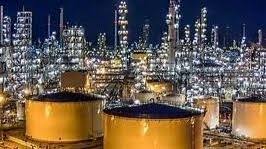
The overall numbers show why analysts remain cautious. One 2026 industry analysis estimates that 17.7 million tonnes per year of ethylene capacity closures have been announced globally, with another 14.4 million tonnes expected to shut during 2026–30. However, polyethylene capacity alone is expected to receive almost 33 million tonnes per year of new capacity during the same period, compared with roughly 11 million tonnes of closures.
2027 Could Be the Critical Year
Current forecasts suggest that 2027 may be the point when the supply wave reaches its peak rather than the moment when the market immediately becomes balanced. ICIS expects global ethylene and polyethylene capacity additions to peak in 2027, with more than 17 million tonnes per year of new ethylene capacity and more than 13 million tonnes per year of PE capacity. It therefore expects the overcapacity-driven downturn to continue through at least 2028.
When Could the Market Actually Rebalance?
The most realistic scenario is therefore a gradual rebalancing rather than a sudden return to tight supply. If Asian closures proceed as announced while China's capacity growth slows after its current investment cycle, utilization rates should eventually improve. But if Chinese producers continue adding capacity faster than demand expands, the global market could remain structurally long well beyond 2027. The key indicators to watch are global cracker utilization, Chinese ethylene and PE startups, announced shutdowns, derivative demand and polyethylene margins. For now, the evidence points toward 2028–29 as a more credible window for a meaningful cycle bottom than an immediate 2026 recovery.
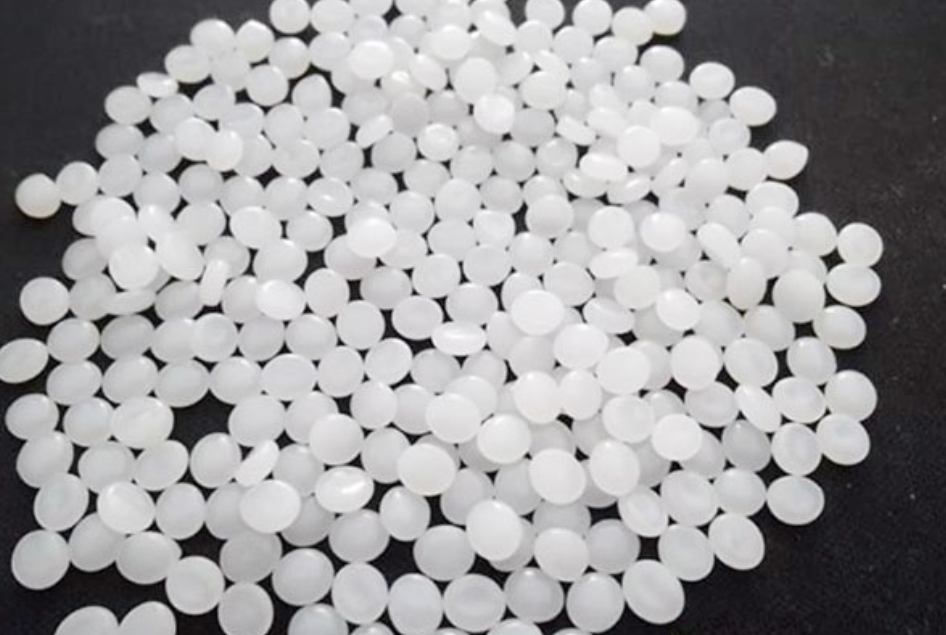
High Density Polyethylene (HDPE)
Found this useful?