
Global Surfactants Market Forecast: Growth Drivers and Emerging Applications
Surfactants have become essential components of modern manufacturing, supporting everything from household detergents and personal care products to agricultural chemicals and industrial processing. Their ability to improve wetting, emulsification, dispersion and cleaning makes them valuable across a wide range of commercial applications.
The global surfactants market forecast points towards continued expansion as manufacturers respond to rising consumption, changing formulation requirements and growing interest in environmentally responsible chemical solutions. For chemical traders, importers and procurement professionals, these developments create opportunities to diversify sourcing, explore specialty grades and serve new industrial markets.
Global Surfactants Market Forecast and Growth Outlook
The global surfactants market continues to demonstrate steady growth. According to Grand View Research, the market reached approximately USD 47.4 billion in 2025 and is projected to grow to USD 49.7 billion in 2026. The same forecast estimates that the market could reach USD 71.7 billion by 2033, registering a compound annual growth rate (CAGR) of 5.4% between 2026 and 2033.
Other market research firms project different growth trajectories depending on their market definitions and methodologies. However, the broader outlook consistently reflects rising demand across consumer products, industrial cleaning and specialty chemical applications.
Several factors support this expansion:
Growing consumer markets: Rising consumption of detergents, personal care products and household cleaning solutions supports recurring demand.
Industrial diversification: Surfactants serve manufacturing processes in textiles, paints, coatings, agriculture and oilfield operations.
Emerging economies: Industrial development, urbanisation and changing consumption patterns expand demand across developing markets.
Product innovation: Manufacturers continue to develop surfactants with improved performance, compatibility and environmental characteristics.
For suppliers and traders, market growth creates opportunities in both high-volume commodity products and specialised formulation ingredients.
Key Demand Drivers Across End-Use Industries
Surfactant consumption depends on the performance requirements of individual industries. Different sectors demand specific chemical properties, creating opportunities for manufacturers that can deliver consistent quality and technical support.
Household Cleaning and Detergents
Household cleaning remains one of the largest application segments. Surfactants support the removal of dirt, grease and oils from surfaces, fabrics and utensils.
Demand comes from several product categories:
Laundry detergents and fabric care products
Dishwashing liquids and cleaning agents
Surface cleaners and disinfectants
Household soaps and specialty cleaning formulations
Growing hygiene awareness and expanding consumer markets continue to support this segment, particularly across Asia and other developing economies.
Personal Care and Cosmetics
The personal care industry is an important growth area for surfactant manufacturers. Formulators require ingredients that provide cleansing, foam formation, emulsification and compatibility with other formulation components.
Surfactants are widely used in shampoos, facial cleansers, body washes, liquid soaps and cosmetic emulsions. Demand for mild formulations and multifunctional ingredients is encouraging suppliers to develop products with improved skin compatibility and performance.
Industrial and Institutional Cleaning
Commercial facilities, manufacturing plants, food processing operations and healthcare environments require specialized cleaning solutions. Industrial surfactants help remove difficult contaminants while supporting formulation stability and cleaning efficiency.
This segment offers opportunities for specialty chemical suppliers that can meet specific technical requirements and provide consistent product specifications.

Emerging Applications Reshaping the Surfactants Industry
Beyond traditional cleaning products, surfactants are finding new applications in industries that require advanced formulation performance and efficient processing.
Agricultural Chemicals and Crop Protection
Surfactants play a supporting role in agricultural formulations by improving wetting, spreading and distribution across plant surfaces. These properties help formulators develop products suited to different crop protection requirements.
Growing agricultural activity and demand for efficient crop management solutions are supporting the use of specialised surfactants in agrochemical formulations.
Oilfield Chemicals
Oil and gas operations use surfactants in several processes, including formulations designed to influence interfacial tension, improve fluid behaviour and support specialised cleaning operations.
Demand in this sector depends on exploration activity, production requirements and investment in oilfield operations. Suppliers that offer consistent technical specifications can serve specialised industrial buyers.
Textiles and Fibre Processing
Textile manufacturers use surfactants during wet processing, scouring, dyeing and finishing. These chemicals help improve wetting, washing and dispersion while supporting process consistency.
The continued expansion of textile production in major manufacturing economies creates demand for surfactants tailored to specific processing conditions.
Paints, Coatings and Construction Materials
Surfactants contribute to the formulation of paints, coatings, adhesives and construction chemicals. They can support pigment dispersion, emulsion stability, wetting and processing performance.
Growth in construction and infrastructure development creates additional opportunities for specialty surfactants used in water-based formulations and related industrial products.
Bio-Based Surfactants and Sustainability Trends
Sustainability is increasingly influencing product development, procurement and customer expectations across the chemical industry. Manufacturers are exploring renewable feedstocks and surfactants designed to improve biodegradability and reduce environmental impact.
Bio-based surfactants can use raw materials such as vegetable oils, natural fats, sugars and carbohydrates. Some products also rely on microbial fermentation to produce surface-active compounds.
The market for bio-based surfactants is expanding alongside interest in sustainable chemical alternatives. Grand View Research estimates that the global bio-based surfactants market reached USD 2.0 billion in 2025 and could grow to USD 3.1 billion by 2033, at a CAGR of 5.4%.
Important developments include:
Renewable feedstocks: Greater interest in plant-derived raw materials creates new sourcing opportunities.
Biodegradable formulations: Manufacturers are investing in products designed to meet evolving environmental expectations.
Biotechnology: Fermentation-based production offers potential pathways for developing specialised surfactants.
Sustainable product portfolios: Buyers increasingly evaluate environmental characteristics alongside price and performance.
However, conventional surfactants remain commercially important because of their established production capacity, competitive pricing and reliable performance. The market is likely to accommodate both traditional and emerging chemistries as end-use requirements evolve.
Regional Market Trends and Global Trade Opportunities
Asia-Pacific represents a major centre of surfactant consumption and manufacturing. Strong demand from household cleaning, personal care, textile processing and industrial production supports the region's market position.
China, India, Japan and South Korea contribute to regional demand through their extensive manufacturing industries and established chemical supply chains.
Other regions also offer significant commercial opportunities:
Europe: Sustainability initiatives and demand for environmentally responsible formulations support specialty and bio-based surfactants.
North America: Personal care, household cleaning and industrial applications contribute to continued demand.
Middle East: Industrial expansion, construction and oilfield operations support specialised chemical consumption.
Latin America: Agricultural production, consumer goods manufacturing and industrial development create opportunities for surfactant suppliers.
For international chemical traders, regional differences in production capacity, feedstock availability and consumption patterns can influence sourcing decisions and trade flows.
Challenges Affecting Surfactant Procurement and Supply Chains
Despite favourable market conditions, surfactant sourcing presents several challenges for buyers and distributors. Procurement teams must consider more than the quoted price when evaluating suppliers.
Raw material price fluctuations: Petroleum-derived surfactants may face cost changes linked to feedstock prices, energy costs and production conditions. Bio-based products can also experience fluctuations based on agricultural raw material availability.
Quality and specification differences: Surfactants with similar commercial descriptions may vary in active matter content, composition, appearance and performance. Buyers should evaluate technical specifications carefully before finalising orders.
Regulatory requirements: Chemical regulations, product documentation, transportation rules and environmental requirements differ across markets. Exporters must prepare appropriate documentation for the destination country.
Logistics and shipping costs: Freight availability, packaging requirements, port congestion and shipment schedules can influence the final landed cost.
Supplier consistency: Changes in quality between shipments can affect downstream production. Establishing reliable supplier relationships helps reduce operational uncertainty.
Procurement professionals can address these challenges through supplier qualification, technical documentation review and diversified sourcing strategies.
What Procurement Teams Should Know About Surfactant Types
Understanding surfactant classification helps buyers identify suitable products for their target applications.
Anionic surfactants: Commonly used in detergents and cleaning formulations because of their strong cleansing and foaming properties.
Nonionic surfactants: Widely used in cleaning, emulsification and industrial formulations, with compatibility across various applications.
Cationic surfactants: Used in fabric conditioning, specialty cleaning and formulations requiring positively charged surface-active agents.
Amphoteric surfactants: Suitable for applications requiring versatility, including personal care products and specialised cleaning formulations.
Product selection should depend on formulation requirements, end-use conditions, compatibility and technical specifications rather than price alone.
Market Outlook: Opportunities for Suppliers and Buyers
The surfactants industry is expected to maintain a positive growth trajectory as established applications expand and new formulation technologies gain commercial importance.
Several areas deserve attention from businesses planning future sourcing and distribution strategies:
Specialty surfactants: Demand for application-specific ingredients creates opportunities beyond standard commodity grades.
Personal care formulations: Continued product development in cosmetics and hygiene supports demand for functional ingredients.
Bio-based alternatives: Sustainability initiatives create opportunities for suppliers offering renewable and biodegradable options.
Industrial applications: Expansion in agriculture, textiles, coatings and manufacturing supports diversified chemical consumption.
Emerging markets: Industrialisation and population growth can strengthen regional demand for cleaning and processing chemicals.
For buyers, a long-term sourcing strategy should balance competitive pricing with product quality, supplier reliability and regulatory compliance. For exporters and distributors, understanding end-user requirements can help identify commercially attractive markets and develop stronger customer relationships.
The Bottom Line for Surfactant Buyers and Traders
The global surfactants market forecast reflects steady expansion supported by household cleaning, personal care, industrial processing and emerging specialty applications. Sustainability and formulation innovation are also creating new opportunities for suppliers to differentiate their product portfolios.
Businesses that understand regional demand, evaluate technical specifications and establish dependable sourcing relationships can position themselves to benefit from changing market conditions. As applications diversify, surfactants will remain important ingredients across global manufacturing and consumer industries.
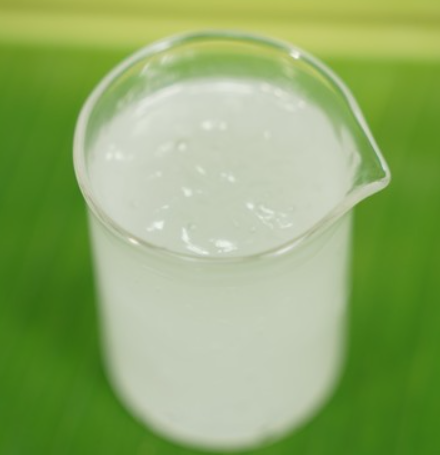
Sodium Lauryl Ether Sulfate (70%)
Found this useful?