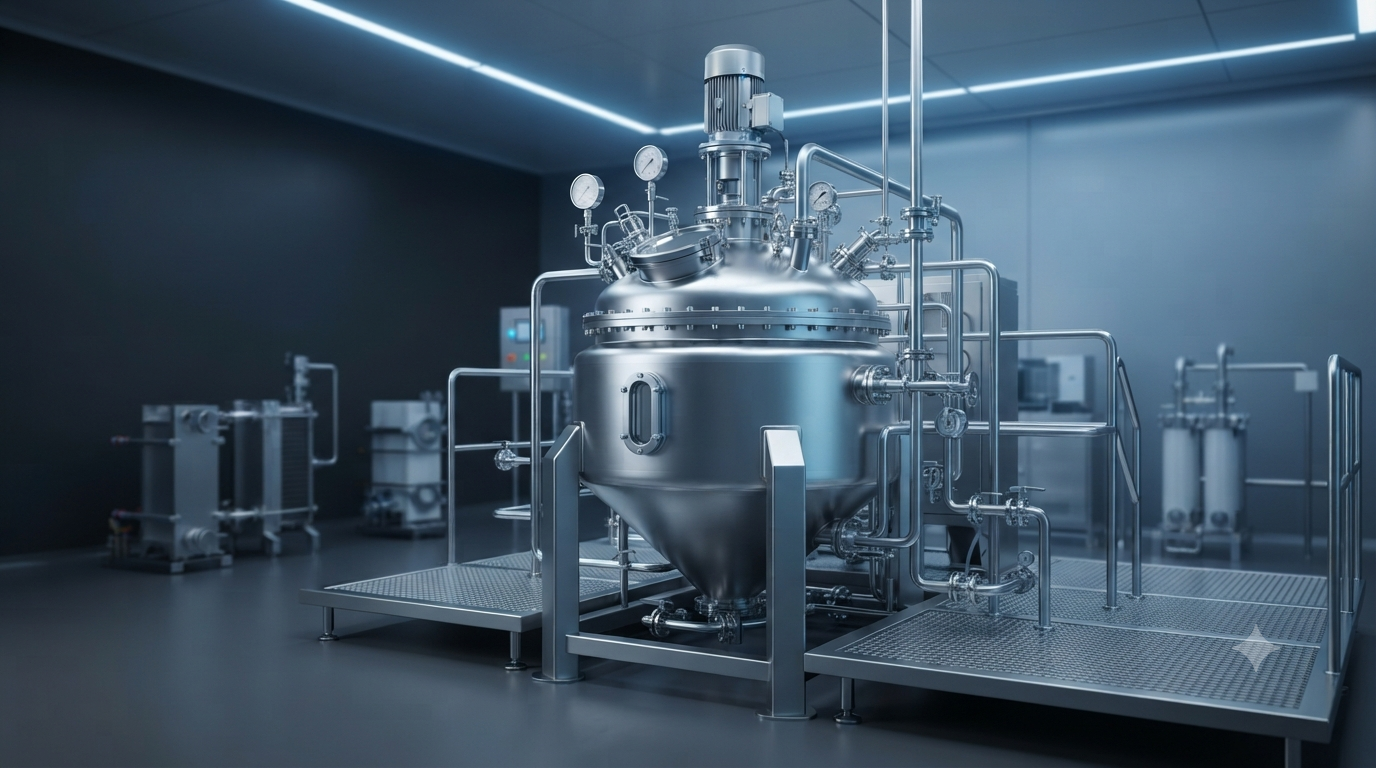
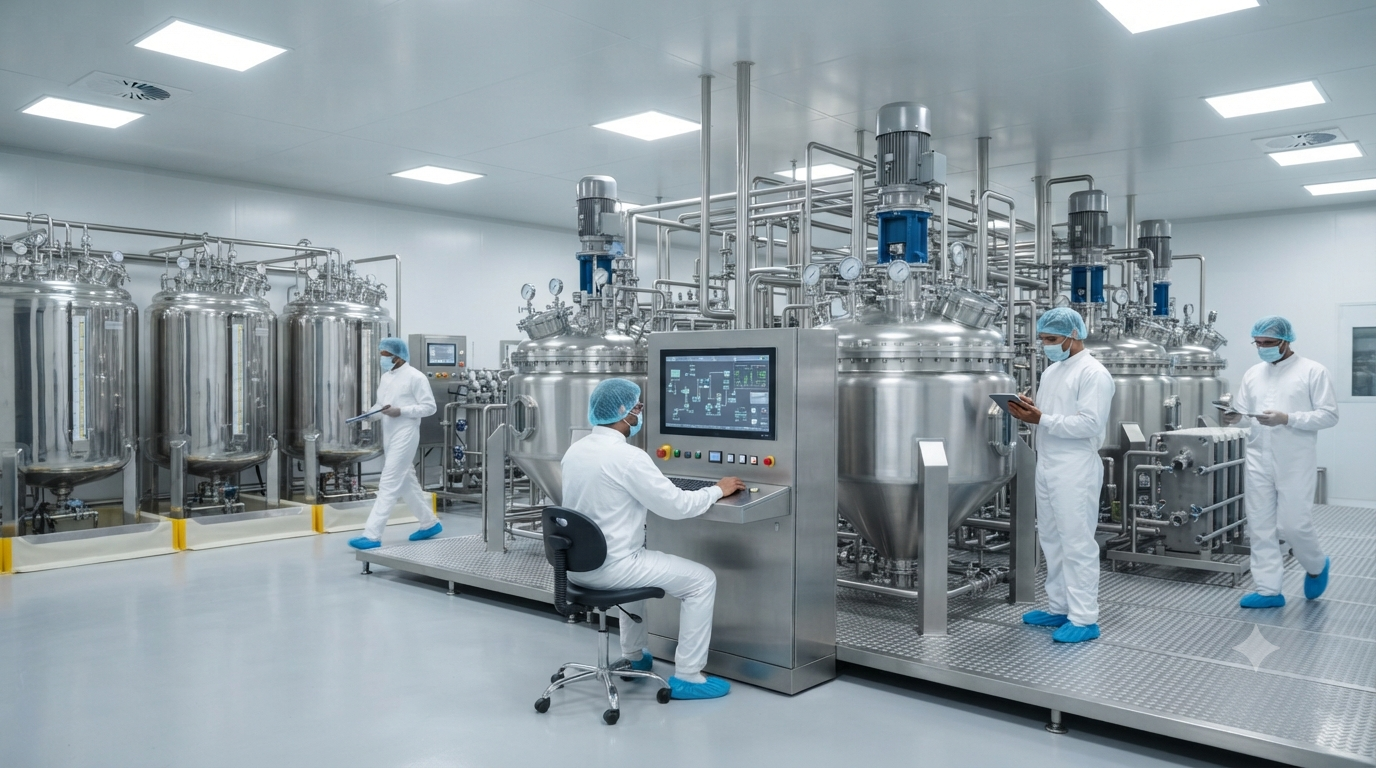
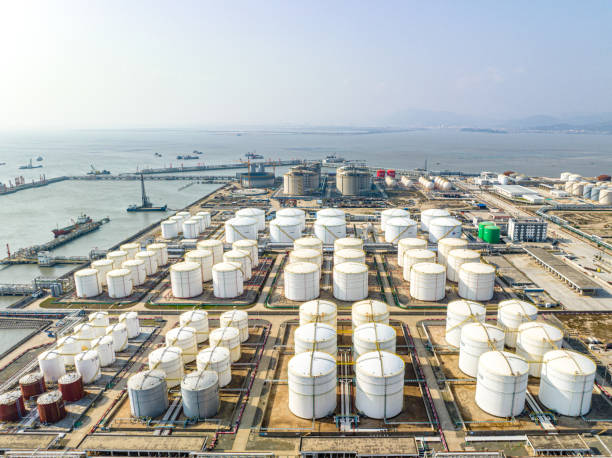
The 2026 edition of India’s NextGen Chemicals & Petrochemicals Summit has become a pivotal event for global pharmaceutical procurement. It highlights a swift expansion in the country’s specialty‑chemical industry while spotlighting the rapid scaling of GLP‑1 (glucagon‑like peptide‑1) API manufacturing. Together, these trends forge a compelling narrative: India is emerging as a one‑stop hub for both raw materials and finished APIs, offering procurement teams unprecedented access to a mature, cost‑competitive ecosystem.
India’s Specialty‑Chemical Boom
India’s specialty‑chemical sector, valued at over $40 billion, has grown at a CAGR of 12% in the last five years. The NextGen Summit 2026 showcased over 300 exhibitors across sectors such as solvents, intermediates, and advanced functional materials. Key takeaways include:
Domestic Production Capacity – 1.2 million tonnes of specialty solvents now produced locally, reducing import reliance.
Technology Adoption – 35% of exhibitors demonstrated green chemistry processes, aligning with global sustainability mandates.
Investment Pipeline – $5 billion earmarked for new plants in Gujarat, Tamil Nadu, and the Northeast.
GLP‑1 API Manufacturing Takes Center Stage
The pharmaceutical segment that has captured investor attention in recent years is the GLP‑1 API market. With global demand projected to hit $5 billion by 2028, India’s production capacity now exceeds 40% of that demand. Highlights from the summit include:
Scale‑Up Facilities – 15 new plants with capacities ranging from 100 kg to 1 tonne of GLP‑1 intermediates.
Quality Assurance – 90% of manufacturers hold USP and GMP certificates, ensuring compliance with the highest standards.
Cost Advantage – Average manufacturing cost of GLP‑1 APIs in India is 30% lower than in established Western hubs.
Implications for Procurement Teams
For procurement professionals, the convergence of a mature specialty‑chemical supply chain and a burgeoning GLP‑1 API market translates into several strategic advantages:
End‑to‑End Visibility – Ability to source both solvents and APIs from the same geographical region reduces lead times and simplifies logistics.
Risk Diversification – Local sourcing mitigates geopolitical risks associated with freight disruptions and currency volatility.
Cost Optimization – Lower raw material prices and reduced shipping costs contribute to a 15% decrease in overall procurement spend.
Innovation Collaboration – Proximity to specialty‑chemical research clusters enables rapid prototyping of new drug delivery systems.
Building Strategic Partnerships
To fully capitalize on these opportunities, procurement teams should consider:
Supplier Qualification – Implement a rigorous supplier assessment framework focusing on quality, capacity, and sustainability credentials.
Long‑Term Contracts – Negotiate fixed‑price agreements with key suppliers to lock fraught periods and hedge against price spikes.
Collaborative R&D – Engage suppliers in joint development projects to tailor solvent blends that optimize GLP‑1 API synthesis.
Digital Procurement Platforms – Leverage AI‑driven analytics to forecast demand, monitor supply chain health, and identify alternative sourcing options.
Regulatory Landscape & Compliance
India’s regulatory framework has evolved to support rapid pharma innovation. The Food & Drug Administration (FDA) and the Central Drugs Standard Control Organization (CDSCO) have introduced streamlined approval pathways for APIs and specialty chemicals. Key points include:
Fast‑Track Licensing – 90‑day approval timelines for GLP‑1 API submissions.
Quality Audits – Quarterly audits of GMP compliance ensure ongoing adherence to international standards.
Export Facilitation – Simplified customs procedures for pharmaceutical exports reduce clearance times to under 48 hours.
Conclusion
The 2026 NextGen Chemicals & Petrochemicals Summit underscores India’s transformation into a comprehensive pharmaceutical manufacturing ecosystem. By aligning specialty‑chemical capabilities with expanding GLP‑1 API production, the country offers procurement teams a strategic advantage: a resilient, cost‑efficient supply chain that can scale with global demand. Embracing this convergence will position pharma companies to meet emerging therapeutic needs while safeguarding margins and ensuring regulatory compliance.