Glucose Isomerase and HFCS Production: The Enzyme Chemistry Behind High-Fructose Corn Syrup
The Enzyme Chemistry Behind High-Fructose Corn Syrup
High-fructose corn syrup, commonly known as HFCS, has become one of the world's most widely used liquid sweeteners. While corn starch serves as the starting material, the production process depends on highly specialised enzymes that transform starch into increasingly sweeter forms. Among these, glucose isomerase performs the most critical conversion by turning glucose into fructose, giving HFCS its characteristic sweetness.
For procurement professionals, glucose isomerase is more than a processing aid. It is a strategic biochemical that directly influences production efficiency, operating costs and manufacturing continuity. As food manufacturers continue expanding production of beverages, confectionery and processed foods, securing reliable enzyme supply has become an increasingly important part of ingredient sourcing strategies.
Understanding the Two Enzymatic Steps Behind HFCS
HFCS production begins with corn starch, but several carefully controlled processing stages are required before the finished sweetener is produced.
The enzymatic sequence includes:
Glucoamylase, which converts hydrolysed starch into glucose by breaking down remaining carbohydrate chains.
Glucose isomerase, which converts part of that glucose into fructose, creating the desired sweetness profile.
The percentage of glucose converted determines the final product.
HFCS-42 contains approximately 42 percent fructose, while HFCS-55 contains approximately 55 percent fructose, making it the preferred sweetener for many soft drinks and beverage applications.
Why Glucose Isomerase Is So Important
Unlike many processing chemicals that are consumed in a single batch, glucose isomerase typically operates as an immobilised enzyme.
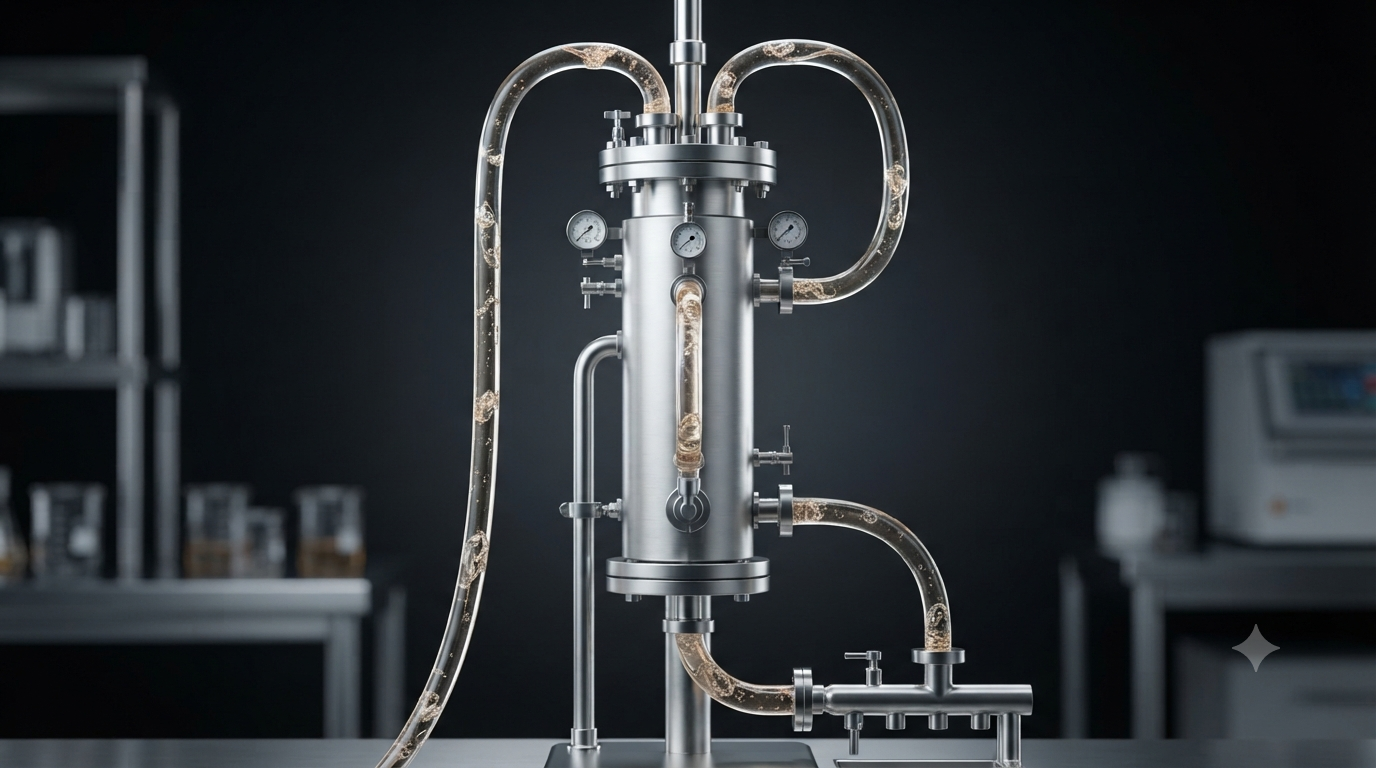
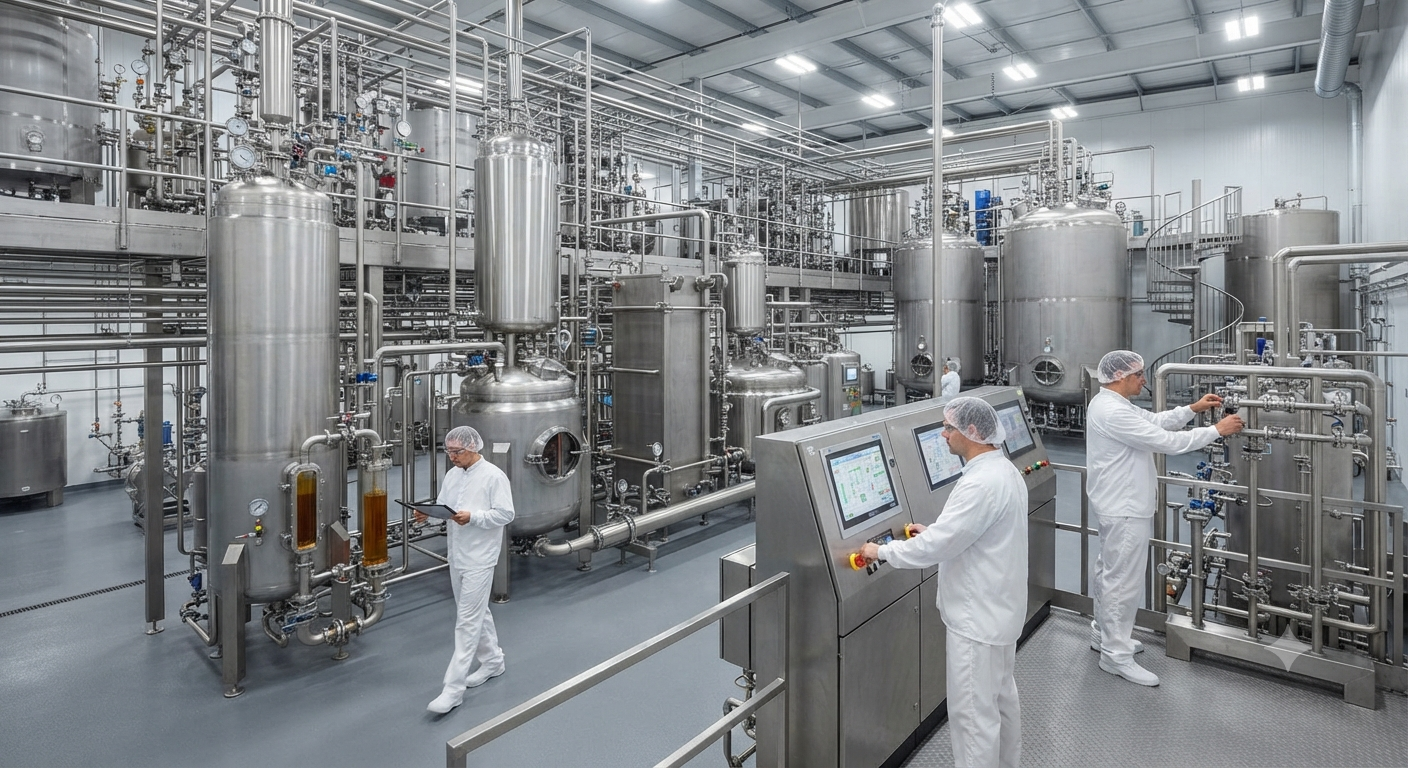
Rather than mixing directly into the syrup, the enzyme is fixed onto solid support materials inside continuous processing columns. As glucose syrup flows through these reactors, the enzyme continuously converts glucose molecules into fructose.
This production method offers several advantages:
Continuous manufacturing with minimal process interruption.
High conversion efficiency over extended operating periods.
Reduced enzyme consumption compared with batch processing.
Consistent product quality throughout production.
Despite these benefits, enzyme activity gradually declines through normal operation. Manufacturers must therefore monitor performance closely and replace enzyme columns before conversion efficiency falls below production targets.
Enzyme Performance Directly Influences Production Economics
Because glucose isomerase remains active for extended periods, its purchase price represents only part of its overall economic value.
Procurement teams also evaluate:
Operational lifespan before replacement.
Fructose conversion efficiency.
Stability under continuous operating conditions.
Compatibility with existing production equipment.
Technical support from enzyme suppliers.
Higher-performing enzymes often reduce overall manufacturing costs by extending replacement intervals and maintaining consistent production efficiency.
The Industrial Food Enzyme Supply Chain
The market for industrial food enzymes is highly specialised.
Major suppliers including Novozymes and DSM-Firmenich have built extensive expertise in enzyme biotechnology, supplying manufacturers across food processing, beverage production and industrial biotechnology.
Their enzyme portfolios support not only HFCS production but also numerous food manufacturing applications including baking, brewing, dairy processing, starch conversion and specialty ingredient production.
For procurement managers, maintaining relationships with qualified enzyme suppliers helps reduce operational risks associated with highly specialised manufacturing inputs.
How Enzyme Supply Chains Affect HFCS Manufacturers
Food ingredient manufacturers often focus on securing corn, starch and other major raw materials, but specialty enzymes deserve equal attention. A disruption in glucose isomerase availability can reduce production efficiency even when feedstocks remain readily available.
For HFCS producers, reliable enzyme sourcing supports:
Continuous plant operation with fewer unplanned shutdowns.
Consistent fructose conversion rates throughout production.
Predictable maintenance and enzyme replacement schedules.
Stable product quality across production batches.
Because enzyme replacement is part of normal plant operation, procurement teams should integrate enzyme purchasing into long-term production planning rather than treating it as a routine maintenance item.
Procurement Considerations for Industrial Enzymes
Industrial food enzymes differ significantly from commodity ingredients. Their value lies in biological performance rather than purchase price alone.
When evaluating glucose isomerase suppliers, procurement professionals should consider:
Enzyme activity and expected operational lifespan.
Conversion efficiency under plant operating conditions.
Technical support for process optimisation.
Supply reliability and manufacturing capacity.
Regulatory documentation for food-grade applications.
Cold chain or storage requirements where applicable.
Although enzyme costs represent a relatively small proportion of total HFCS production expenses, enzyme performance has a direct impact on manufacturing efficiency and overall operating costs.
Beyond HFCS: A Broader Food Enzyme Market
The same biotechnology companies supplying glucose isomerase also support many other food manufacturing sectors.
Industrial enzymes play important roles in:
Starch processing and sweetener production.
Baking, where enzymes improve dough handling and product consistency.
Brewing and beverage manufacturing.
Dairy processing for specialised milk products.
Fruit juice clarification and processing.
Production of specialty carbohydrates and functional ingredients.
Because these industries often rely on overlapping enzyme suppliers, changes in enzyme production capacity or supply chain conditions can influence multiple food sectors simultaneously.
Why Operational Continuity Depends on Enzyme Planning
Unlike bulk commodities that can often be sourced from numerous suppliers, high-performance industrial enzymes are produced by a relatively small number of specialised biotechnology companies.
This concentration means procurement teams should:
Qualify multiple approved suppliers where possible.
Monitor supplier production capacity and lead times.
Maintain appropriate inventory for critical enzymes.
Coordinate replacement schedules with production planning.
Build long-term supplier partnerships for strategic ingredients.
A proactive procurement strategy reduces the risk of production interruptions and helps maintain consistent manufacturing performance.
What Buyers Should Do Now
Glucose isomerase is one of the most important specialty enzymes in modern sweetener manufacturing. Its ability to convert glucose into fructose efficiently under continuous operating conditions makes it indispensable for producing HFCS-42 and HFCS-55 at commercial scale.
For procurement professionals, understanding the enzyme supply chain is just as important as monitoring corn prices or starch availability. Supplier reliability, enzyme performance and replacement planning all contribute to operational continuity and production efficiency.
As demand for processed foods and beverages continues growing worldwide, industrial food enzymes will remain essential components of modern manufacturing. Procurement teams that treat glucose isomerase as a strategic sourcing category rather than a routine processing aid will be better positioned to manage production risks and optimise long-term operating costs.
Dextrose Monohydrate (E1200)
Found this useful?