Glyphosate Market Outlook: Global Production, International Trade and Agricultural Demand
Glyphosate remains one of the most widely used herbicides in modern agriculture, supporting weed management across major crop-producing regions. Its importance in commercial farming, combined with concentrated manufacturing capacity and international supply chains, makes the glyphosate market an important segment of the global agrochemical industry.
The glyphosate market outlook for 2026 reflects several interconnected developments. Strong agricultural demand, changing inventory levels, production conditions in China and international trade policies are influencing supply availability and purchasing decisions. For chemical traders, importers and agricultural input distributors, understanding these developments helps identify sourcing opportunities and manage procurement risks.
Glyphosate and Its Importance in Agricultural Production
Glyphosate is a broad-spectrum, non-selective herbicide that controls many annual and perennial weeds. It works by inhibiting the EPSPS enzyme, which plants need to produce certain essential amino acids.
Agricultural producers use glyphosate in different farming systems, particularly where weed control supports crop establishment and field management. Its applications include:
Pre-planting weed control: Farmers apply glyphosate before planting to manage existing vegetation and prepare fields for crop production.
Herbicide-tolerant crops: Certain genetically modified crops tolerate glyphosate applications, allowing farmers to control weeds without damaging the cultivated crop.
Orchards and plantations: Agricultural operators use glyphosate in selected applications to manage weeds around trees and perennial crops.
Non-crop areas: Commercial and public-sector operators use approved glyphosate formulations for vegetation management in selected non-agricultural locations.
Glyphosate is available in technical-grade material and formulated products. Manufacturers produce different formulations, including soluble concentrates and other application-ready products.
For buyers, the distinction between technical material and finished formulations matters because each product serves different manufacturing and distribution requirements.
Global Glyphosate Production and Manufacturing Capacity
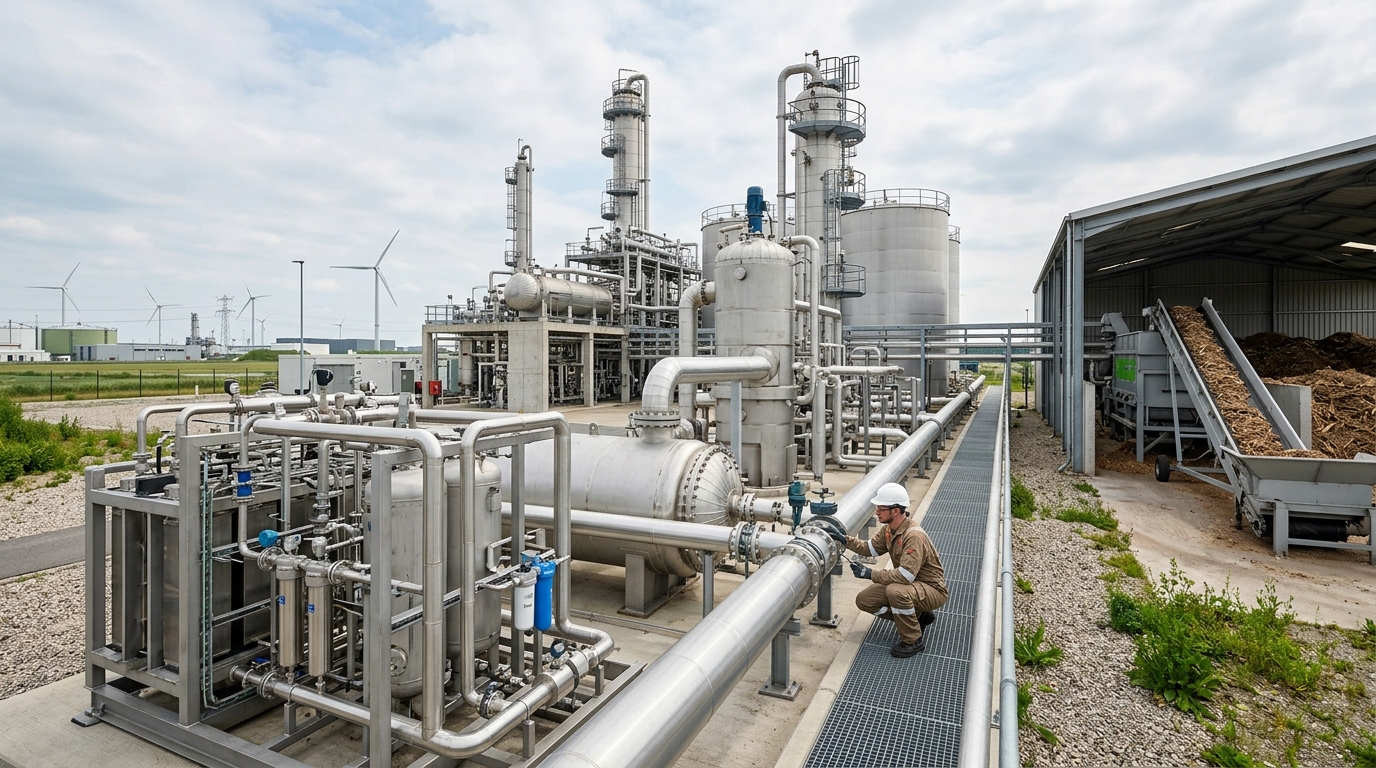
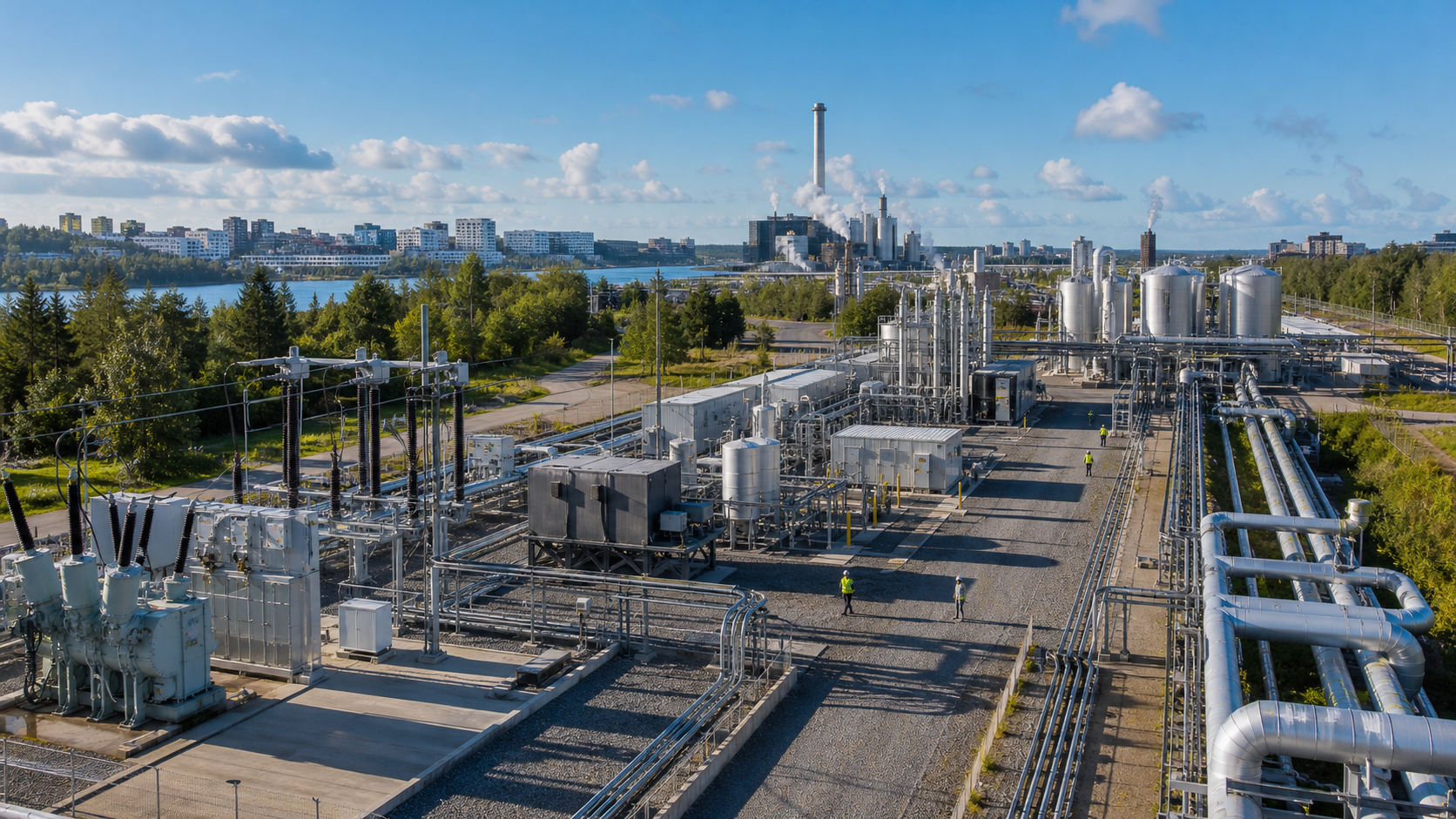
China occupies a central position in the global glyphosate production landscape. Its established chemical manufacturing infrastructure, access to industrial raw materials and large-scale production facilities support its position as a major supplier to international markets.
Industry reporting indicates that Chinese glyphosate technical output remained relatively stable at approximately 600,000 tonnes annually between 2017 and 2024. However, stable annual production does not guarantee consistent export availability throughout the year.
Manufacturers can experience temporary supply constraints because of production schedules, environmental inspections, maintenance activities and changes in raw material availability.
Glyphosate production also depends on several important chemical inputs, including:
Glycine: An important raw material used in the glycine-based manufacturing route.
Phosphorus-based intermediates: These support the chemical reactions involved in glyphosate manufacturing.
Other chemical inputs: Production processes also require additional reagents, processing materials and utilities.
Manufacturing costs therefore depend on more than the selling price of finished glyphosate. Changes in raw material prices, energy expenses, plant utilisation and environmental compliance costs can influence production economics.
Outside China, other countries maintain agricultural chemical manufacturing and formulation operations. However, global buyers continue to rely significantly on Chinese production for international glyphosate supply.
Agricultural Demand Across Major Crop-Producing Regions
Agricultural demand represents the foundation of the glyphosate market. Farmers require effective weed management to protect crop productivity, control vegetation and manage agricultural operating costs.
Research examining average annual glyphosate use between 2019 and 2022 estimated global consumption at approximately 749.27 million kilograms of active ingredient. The study identified glyphosate as accounting for approximately 44% of global herbicide active ingredient use by volume.
Brazil, the United States and Argentina emerged as the leading national users, followed by China, South Africa, Canada and Australia.
Several agricultural activities support this demand:
Soybean cultivation: Large-scale soybean farming represents an important market for glyphosate, particularly in Brazil, Argentina and the United States.
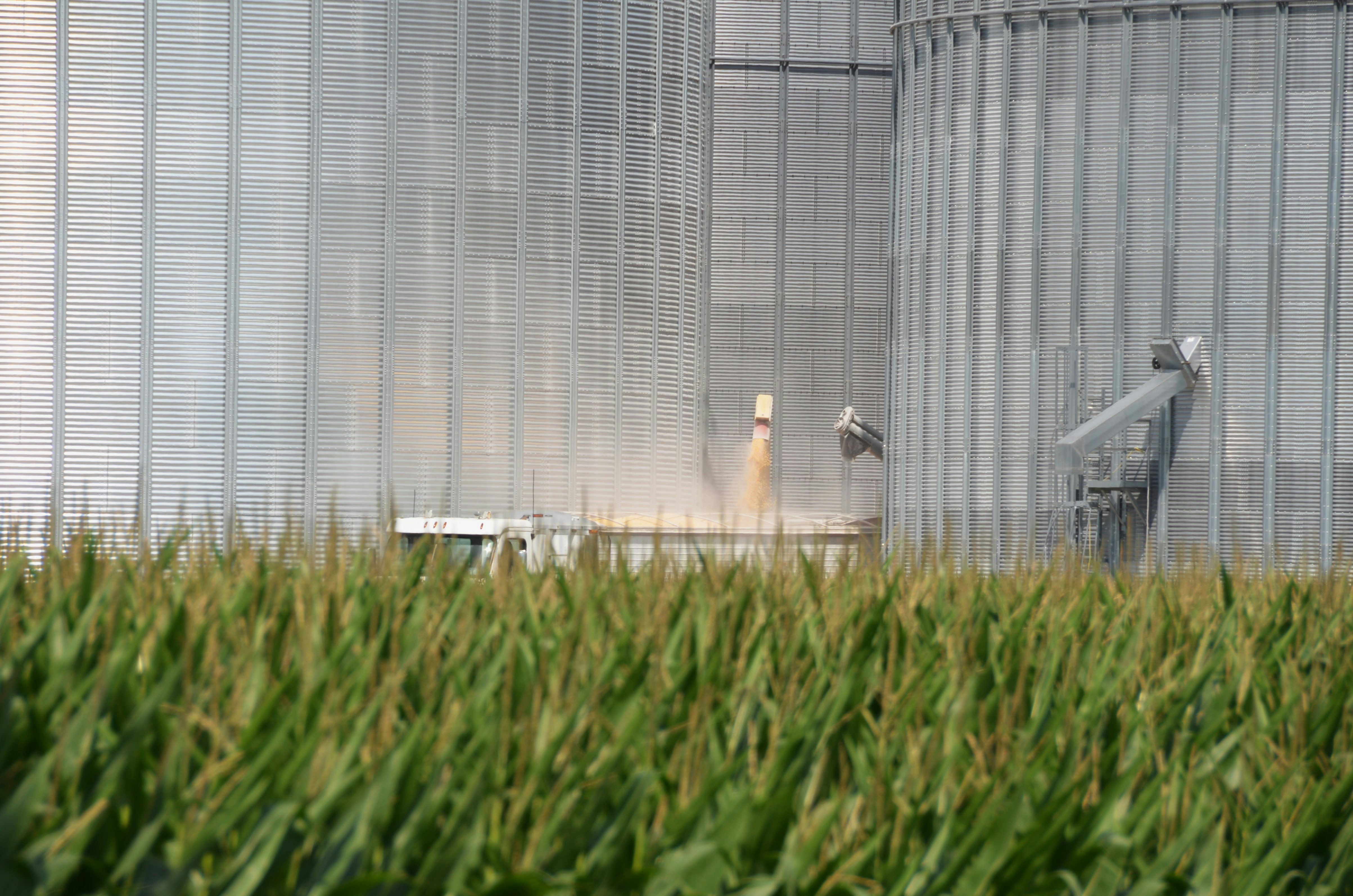
Corn production: Commercial maize cultivation uses herbicide programmes to manage competing vegetation and maintain crop development.
Wheat farming: Farmers use glyphosate in selected weed management programmes, subject to local regulations and approved application practices.
Cotton production: Glyphosate-tolerant cotton systems support demand in markets where these crop technologies are authorised.
Plantation agriculture: Certain plantation operators use glyphosate for vegetation management under applicable product registrations.
Agricultural demand can change between seasons. Weather conditions, planting schedules, crop prices and farmers' financial positions all influence purchasing volumes.
For exporters and distributors, monitoring planting cycles in South America and North America can provide useful indicators of potential changes in glyphosate purchasing activity.
International Glyphosate Trade and Export Opportunities
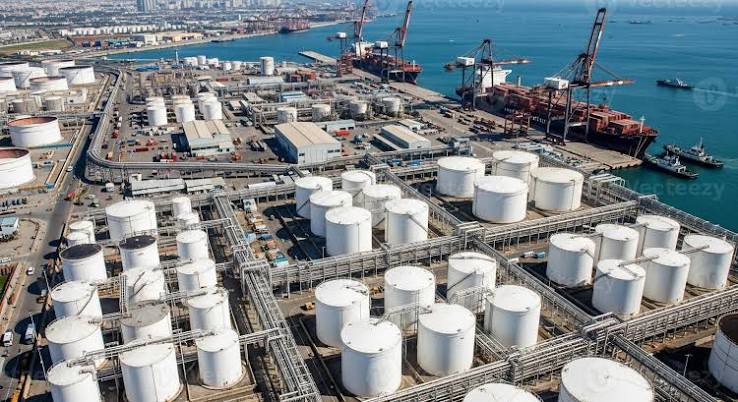
International trade connects major glyphosate manufacturing centres with agricultural markets that depend on imported herbicides. China plays a particularly important role because a substantial share of its production serves overseas customers.
Industry reporting indicates that approximately 80% of Chinese glyphosate production goes to export markets. This export-oriented structure makes Chinese manufacturing conditions especially important for international buyers.
International glyphosate trade depends on several factors:
Export production and availability: Chinese manufacturers supply international distributors, agricultural chemical companies and formulation businesses. Production interruptions or changes in export economics can influence overseas availability.
Import market demand: Countries with large agricultural sectors require consistent supplies of crop protection products. Brazil, the United States and Argentina represent important consumption markets.
Freight and logistics: Shipping costs, container availability, port congestion and delivery schedules affect the landed cost of imported glyphosate.
Trade policies: Import duties, tariffs, customs requirements and country-specific registration rules can change the commercial attractiveness of different supply routes.
FAO's 2026 pesticide statistics update provides a broader picture of these trade developments. Global pesticide export volumes reached approximately 7.4 million tonnes of formulated products in 2024, increasing by 12% compared with 2023.
Although these figures cover the wider pesticide industry rather than glyphosate alone, they demonstrate the scale and importance of international agricultural chemical trade.
Factors Influencing Glyphosate Prices in 2026
Glyphosate prices respond to changes in production costs, agricultural demand, inventories and international trade conditions.
After an extended period of relatively low prices, the 2026 crop protection market outlook indicates an upward price trend for glyphosate. Strong demand in North and South America, together with the restocking of previously depleted inventories, has contributed to this movement.
Several factors deserve attention from procurement teams.
1. Raw Material Costs
Glyphosate manufacturing depends on chemical intermediates and other industrial inputs. Rising prices for glycine, phosphorus-based materials and energy can increase manufacturing expenses.
2. Production Capacity and Plant Operations
Production interruptions, scheduled maintenance and environmental compliance requirements can affect available supply. Even when annual manufacturing capacity remains substantial, short-term disruptions may tighten the export market.
3. Agricultural Purchasing Cycles
Seasonal buying activity influences demand from major agricultural markets. When distributors and farmers increase purchases ahead of planting periods, suppliers may experience higher order volumes.
4. Inventory and Restocking Activity
Low-priced inventory can influence purchasing decisions during periods of weak demand. When buyers exhaust existing stocks and return to the market, additional purchasing activity can support price increases.
5. International Trade Policies
Tariffs and changing trade relationships can increase landed costs. Buyers that depend heavily on imports should consider how trade restrictions may affect supplier competitiveness and delivery schedules.
For importers, monitoring these factors together provides a more useful pricing outlook than relying exclusively on individual supplier quotations.
Regulatory Requirements and Market Access
Regulatory compliance remains a major consideration for glyphosate manufacturers, exporters and agricultural chemical distributors.
Different countries maintain their own requirements for pesticide registration, permitted applications, product labelling, residue limits and environmental protection.
The European Union renewed glyphosate approval in 2023 for a further ten years, extending approval until 15 December 2033. However, the renewal includes conditions and restrictions that individual member states must implement through their national product authorisation systems.
For example, EU rules prohibit the use of glyphosate as a pre-harvest desiccant. Member states must also consider application restrictions and measures to protect non-target plants and certain animal species.
These regulatory requirements influence which products suppliers can sell and which applications agricultural customers can use.
Exporters should pay particular attention to:
Active ingredient concentration and technical specifications.
Product registration in the destination country.
Safety Data Sheets and product documentation.
Maximum residue limits and applicable food safety requirements.
Packaging, transport and chemical handling regulations.
Import permits and local distributor requirements.
Regulatory compliance can directly influence market access. A competitive product price offers limited commercial value if the supplier cannot provide the documentation required by the importing country.
Supply Chain Challenges and Procurement Considerations
Glyphosate procurement involves several stages, from manufacturing and export documentation to international transportation and final distribution.
Buyers that depend heavily on one producing country or a limited supplier network may face greater exposure to production interruptions and changing trade conditions.
A structured procurement strategy should consider the following priorities:
Supplier verification: Buyers should assess manufacturer credentials, trading history and export experience before confirming large orders.
Product quality: Technical-grade glyphosate requires consistent active ingredient content and appropriate impurity specifications. Formulated products also require suitable concentration, stability and packaging.
Commercial comparison: Importers should compare quotations using consistent product specifications, shipment quantities, payment conditions and delivery terms.
Inventory planning: Distributors should maintain appropriate stock levels based on agricultural seasons and expected customer demand.
Logistics management: Buyers should evaluate shipping schedules, freight costs, insurance and customs requirements when calculating total landed costs.
Documentation: Every shipment should include the relevant commercial and technical documents required by the importing market.
For international traders, supplier diversification can also reduce exposure to unexpected supply disruptions. However, alternative suppliers must meet the same quality and regulatory requirements before buyers shift purchasing volumes.
Glyphosate Market Outlook for 2027 and Beyond
The glyphosate market will continue to depend on agricultural production patterns, manufacturing economics and international trade relationships.
Several developments could shape its direction over the coming years.
First, agricultural demand in major soybean and corn-producing regions will remain an important market indicator. Changes in planted acreage, crop prices and farming economics can influence herbicide purchasing requirements.
Second, China's manufacturing position will continue to influence global supply availability. Production efficiency, environmental requirements and industrial investment will affect the competitiveness of Chinese exporters.
Third, regulatory developments will remain central to international trade. Different approval periods, permitted uses and product registration requirements may create opportunities in some markets while restricting sales in others.
Fourth, manufacturers and agricultural businesses may continue exploring integrated weed management approaches. Greater attention to herbicide resistance and alternative weed control practices could influence long-term glyphosate consumption patterns.
Market participants should therefore avoid assuming that agricultural demand will automatically translate into higher consumption every year. Farmers may adjust application rates, change crop management strategies or adopt alternative products depending on agronomic and economic conditions.
For chemical traders, the strongest opportunities will come from understanding both sides of the market: manufacturing availability and agricultural purchasing demand.
What Glyphosate Buyers Should Prioritise
The 2026 glyphosate market presents opportunities for exporters, importers and agricultural chemical distributors, particularly as inventory restocking and regional demand influence international supply conditions.
Procurement teams should monitor Chinese production developments, raw material prices, freight expenses and regulatory changes in their target markets.
A reliable sourcing strategy should focus on product quality, supplier consistency, competitive landed costs and complete documentation rather than purchasing decisions based only on the lowest quotation.
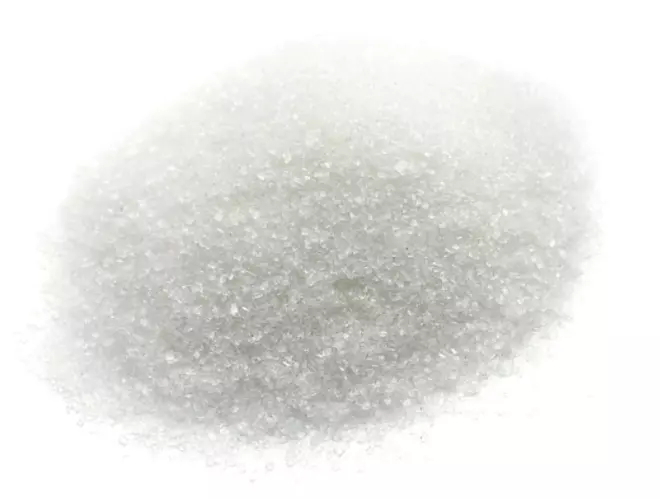
Glycine (E640)
Found this useful?