
Green Chemistry: Principles and Applications in Modern Chemical Manufacturing
Green chemistry is changing how manufacturers design chemical products, select raw materials and manage industrial processes. As businesses face growing pressure to reduce environmental impact and improve operational efficiency, sustainable chemical production has become an important consideration across global manufacturing supply chains.
For chemical traders, procurement managers and industrial buyers, this shift creates both challenges and commercial opportunities. Manufacturers increasingly evaluate suppliers based on material efficiency, environmental performance and the ability to provide products that support cleaner production methods.
Green chemistry offers a practical framework for achieving these objectives. Rather than treating pollution after it occurs, it encourages manufacturers to prevent waste and hazards at the design and production stages.
What Is Green Chemistry and Why Does It Matter?
Green chemistry refers to the design of chemical products and manufacturing processes that reduce or eliminate the use and generation of hazardous substances. It focuses on improving the environmental performance of chemistry throughout a product's lifecycle.
Traditional manufacturing often prioritizes production volume, product quality and cost. Green chemistry expands these priorities by considering raw material consumption, energy requirements, waste generation and chemical safety.
Its importance extends across several industrial activities:
Raw material selection: Manufacturers evaluate alternatives that reduce environmental risks while maintaining product performance.
Process optimization: Production facilities seek methods that consume less energy and generate fewer unwanted by-products.
Waste prevention: Companies improve reaction efficiency to reduce disposal requirements and material losses.
Product development: Chemical formulations increasingly consider biodegradability, toxicity and environmental persistence.
Supply chain management: Buyers assess suppliers based on material traceability, consistency and responsible production practices.
For chemical trading businesses, understanding these priorities helps identify products and suppliers that align with changing industrial purchasing requirements.
The 12 Principles of Green Chemistry
The 12 principles of green chemistry provide a foundation for developing more sustainable chemical processes. They guide manufacturers in reducing environmental impact without compromising product functionality or industrial performance.
The principles include:
Waste prevention: Avoid generating waste instead of relying on treatment or disposal after production.
Atom economy: Design chemical reactions so that more raw material atoms become part of the final product.
Less hazardous chemical synthesis: Select reaction pathways that minimize the toxicity of substances used and produced.
Designing safer chemicals: Develop products that perform their intended functions while reducing harmful effects.
Safer solvents and auxiliaries: Reduce unnecessary solvents and replace hazardous options with safer alternatives where technically suitable.
Energy efficiency: Minimize energy consumption by using efficient processes and appropriate operating conditions.
Renewable feedstocks: Prioritize renewable raw materials when they offer suitable technical and economic performance.
Reduce unnecessary derivatives: Avoid additional chemical modification steps that consume resources and generate waste.
Catalysis: Use selective catalytic reactions instead of less efficient chemical processes where appropriate.
Design for degradation: Develop chemical products that break down into less harmful substances after their intended use.
Real-time pollution prevention: Monitor production processes to identify and control the formation of hazardous substances.
Inherently safer chemistry: Select substances and process conditions that reduce the potential for accidents, fires and chemical releases.
These principles are interconnected. A manufacturer that improves atom economy may also reduce waste, lower raw material requirements and improve production economics.
How Green Chemistry Is Transforming Industrial Manufacturing
Green chemistry has practical applications across multiple manufacturing sectors. Companies can apply its principles to existing operations as well as new product development.
The transition does not always require completely replacing established production systems. Manufacturers can often achieve meaningful improvements through process modifications, alternative ingredients and better resource management.
Key applications include:
Chemical synthesis: More selective reactions and improved catalysts can reduce unwanted by-products and increase product yields.
Textile processing: Manufacturers can evaluate less hazardous dyes, finishing agents and processing chemicals to reduce environmental burdens.
Detergent production: Formulators can explore biodegradable surfactants and ingredients that support lower-impact cleaning products.
Pharmaceutical manufacturing: Process improvements can reduce solvent consumption, material losses and unnecessary reaction stages.
Food processing: Manufacturers can use suitable food-grade acids, stabilizers and processing ingredients while improving material efficiency.
Polymer production: Research into renewable feedstocks and recyclable or degradable materials can support more sustainable plastic manufacturing.

Sustainable Raw Materials and Their Role in Green Manufacturing
Raw material selection plays a major role in determining the environmental footprint of chemical manufacturing. Green chemistry encourages manufacturers to consider renewable, recycled or less hazardous feedstocks whenever they can meet technical and commercial requirements.
Several commercially important chemical ingredients can support sustainable manufacturing strategies, depending on their formulation and intended application.
Examples include:
Citric Acid: Used in food processing, detergents and industrial cleaning formulations. Its applications include formulations that require an organic acid with useful chelating properties.
Lactic Acid: Serves as an ingredient in food, pharmaceutical and personal care applications. It also provides a building block for certain biodegradable polymer materials.
Refined Glycerine: Supports pharmaceutical, cosmetic and personal care manufacturing. It can also originate as a co-product of vegetable oil processing.
Sodium Gluconate: Functions as a chelating agent in detergents, cleaning products and industrial formulations.
Sorbitol: Used in food, pharmaceutical and personal care manufacturing, with applications in moisture retention and formulation development.
Coconut Oil and Refined Palm Oil: Provide vegetable-based feedstocks for selected oleochemical, surfactant and personal care applications.
However, renewable origin alone does not automatically make a material sustainable. Buyers should also consider cultivation practices, land use, processing requirements, transportation emissions and the environmental characteristics of the finished product.
Economic Benefits of Green Chemistry for Manufacturers
Green chemistry can deliver commercial advantages alongside environmental improvements. By improving production efficiency and reducing unnecessary material consumption, manufacturers can strengthen their cost structures.
The financial benefits often emerge through several operational improvements.
Lower raw material consumption: More efficient reactions and improved process yields help manufacturers obtain greater output from existing material inventories.
Reduced waste management expenses: Preventing unwanted by-products can lower treatment, handling and disposal costs. It may also reduce the need for additional waste management infrastructure.
Improved energy performance: Processes that operate under less demanding temperature and pressure conditions can reduce energy requirements where technically feasible.
Better resource utilization: Recycling suitable process materials and improving water management can reduce unnecessary resource consumption.
Stronger commercial positioning: Manufacturers that demonstrate credible environmental improvements may become more attractive to customers with sustainability requirements in their procurement policies.
These benefits depend on the chemistry, equipment and production scale involved. A replacement ingredient may carry a higher purchase price but still offer better overall economics if it improves yield, reduces processing time or lowers waste generation.
Supply Chain Considerations for Chemical Traders and Importers
The growth of green chemistry is influencing how industrial buyers evaluate chemical suppliers. Price and product availability remain important, but procurement teams increasingly examine additional factors when selecting sourcing partners.
For international chemical traders, this creates opportunities to differentiate through product knowledge, reliable documentation and responsible supplier relationships.
Important sourcing considerations include:
Product specifications: Confirm purity, concentration, grade and technical parameters before purchasing. A sustainable alternative must still meet the buyer's manufacturing requirements.
Safety Data Sheets: Obtain current SDS documentation to understand chemical hazards, storage requirements and handling precautions.
Certificates and traceability: Request relevant certificates of analysis, origin documentation and manufacturing information where applicable.
Supplier transparency: Evaluate whether suppliers can provide information about production methods, raw material origins and environmental management practices.
Logistics efficiency: Consider shipment consolidation, suitable packaging and optimized transportation routes to reduce unnecessary supply chain costs and environmental impacts.
Supply consistency: Confirm production capacity and availability before switching to an alternative material, particularly when the ingredient forms part of a critical manufacturing process.
Importers should also evaluate regulatory requirements in the destination market. Chemical classification, labelling, transportation and registration obligations can influence whether a particular material is suitable for a proposed application.
Challenges in Adopting Green Chemistry at Industrial Scale
Despite its advantages, implementing green chemistry across established manufacturing operations requires careful planning. Manufacturers must balance environmental objectives with product performance, operational reliability and commercial feasibility.
Several challenges deserve attention.
Higher initial investment: Replacing production equipment, introducing new catalysts or redesigning chemical processes may require substantial capital expenditure.
Technical limitations: Some conventional chemicals do not have direct alternatives that deliver identical performance under existing production conditions.
Raw material availability: Renewable feedstocks can experience seasonal supply variations, regional concentration and price fluctuations.
Qualification requirements: New ingredients often require laboratory testing, formulation adjustments and production trials before manufacturers approve them.
Regulatory complexity: Different countries apply different chemical registration, classification and environmental requirements. International suppliers must understand the rules affecting their products and destinations.
Measuring environmental performance: A material may reduce one environmental impact while increasing another. Manufacturers should assess the broader lifecycle rather than relying on a single sustainability claim.
A gradual implementation strategy often works better than replacing multiple materials simultaneously. Pilot testing and controlled production trials help companies identify technical problems before making large procurement commitments.
How Procurement Teams Can Support the Green Chemistry Transition
Procurement managers and chemical buyers have an important role in encouraging sustainable manufacturing. Their sourcing decisions influence which raw materials manufacturers use and which suppliers gain access to long-term commercial relationships.
A practical procurement strategy should focus on the following actions:
Review existing chemical inventories: Identify materials with potential environmental, safety or waste management concerns and assess suitable alternatives.
Compare alternative ingredients: Evaluate renewable or less hazardous options against existing products, considering technical performance and total procurement costs.
Work with qualified suppliers: Prioritize suppliers that provide consistent specifications, reliable documentation and transparent sourcing information.
Request technical support: Involve manufacturers and suppliers in testing alternative ingredients and adjusting formulations where necessary.
Monitor sustainability performance: Track relevant indicators such as raw material efficiency, waste generation, energy consumption and packaging requirements.
Build long-term sourcing relationships: Develop partnerships with suppliers capable of maintaining consistent quality and supporting changing regulatory and customer requirements.
Chemical traders can also create value by connecting manufacturers with reliable sources of alternative feedstocks, specialty ingredients and industrial chemicals that support more efficient production.
The Future of Green Chemistry in Global Chemical Manufacturing
Green chemistry will continue to influence chemical product development, manufacturing investment and international sourcing strategies. Advancements in catalysis, biotechnology, renewable feedstocks and process monitoring are creating new opportunities to improve industrial efficiency.
Several developments will shape its commercial direction:
Bio-based chemical production: Manufacturers will continue exploring agricultural materials and biological feedstocks as alternatives to selected fossil-based inputs.
Advanced catalysts: Improved catalytic technologies can support more selective reactions, higher yields and reduced waste.
Circular manufacturing: Greater attention to recycling, material recovery and reuse will encourage manufacturers to design products with their end-of-life management in mind.
Safer formulations: Demand for products with improved environmental and safety profiles will influence ingredient selection across multiple industries.
Digital process monitoring: Better analytical systems will help manufacturers detect inefficiencies and control unwanted by-product formation during production.
For chemical importers, exporters and distributors, these developments create opportunities to expand product portfolios and strengthen supplier networks. Businesses that understand the technical and commercial requirements of sustainable manufacturing will be better positioned to respond to changing customer expectations.
What Chemical Buyers Should Do Now
Green chemistry is more than an environmental initiative. It provides a framework for improving manufacturing efficiency, managing chemical hazards and developing products that meet evolving industrial requirements.
For procurement professionals, the priority should be to identify suitable materials, evaluate supplier capabilities and compare alternatives based on performance, cost and environmental considerations. Chemical traders can support this transition by providing dependable sourcing, transparent product information and access to internationally competitive supply options.
A successful transition requires collaboration between manufacturers, suppliers, technical teams and procurement departments. Companies that incorporate green chemistry into their sourcing and production strategies can strengthen operational efficiency while supporting more responsible chemical manufacturing.
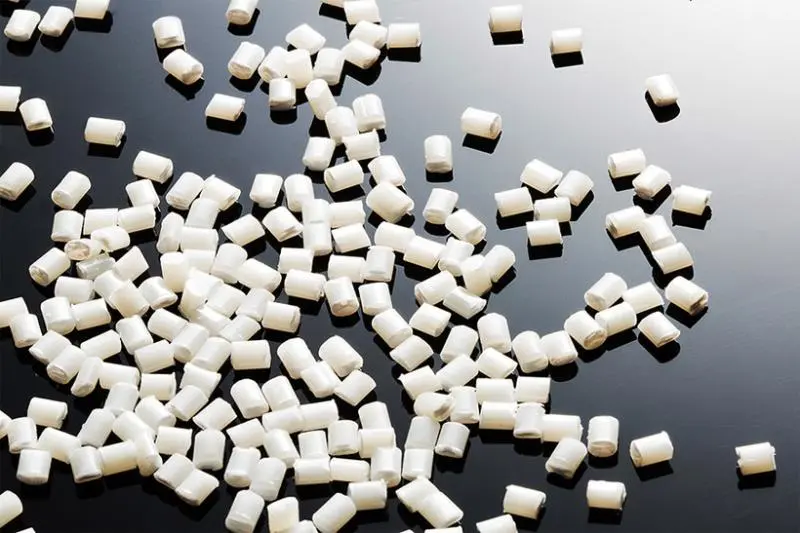
Acrylonitrile Butadiene Styrene (ABS)
Found this useful?