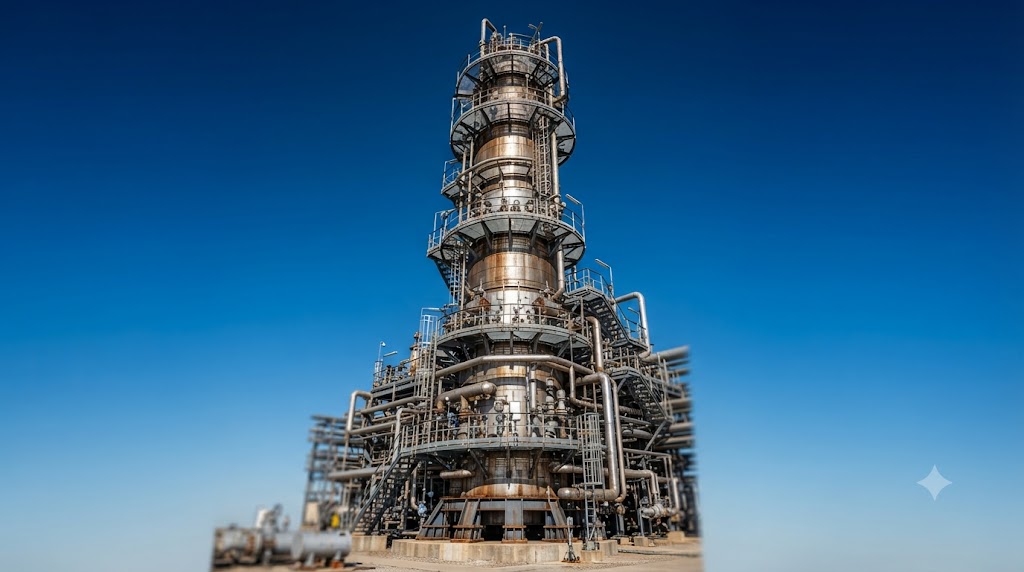
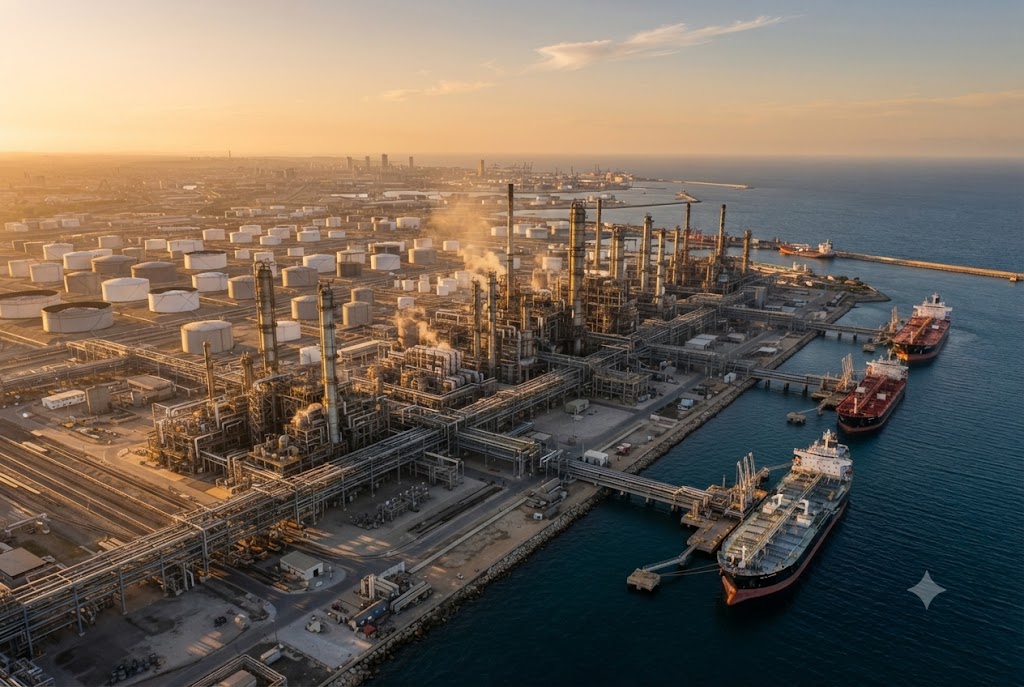
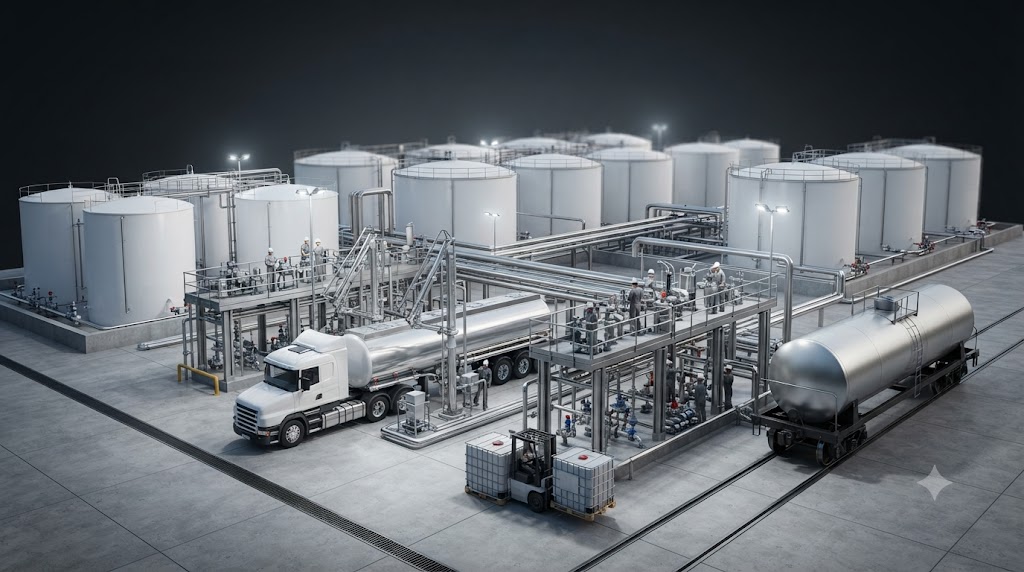
The numbers tell a stark story. Gulf exports of refined products and LPG in June reached less than half their pre-war levels. Meanwhile, crude oil flows from the same region recovered to nearly three-quarters of previous rates. This widening gap between raw material availability and finished product output has pushed refining cracks and margins to heights not seen in four years.
For chemical traders and procurement professionals who depend on petrochemical feedstocks, this imbalance creates both risk and opportunity. Understanding the mechanics behind these elevated margins helps buyers anticipate price movements and adjust sourcing strategies accordingly.
What Refining Cracks and Margins Actually Mean
Refining cracks represent the price difference between crude oil and the refined products derived from it. When traders talk about "crack spreads," they refer to this margin that refiners earn by processing raw crude into gasoline, diesel, jet fuel and petrochemical feedstocks.
A four-year high in these spreads signals serious supply constraints in the downstream sector. Refineries either cannot operate at full capacity or face barriers to exporting their output. Both scenarios mean tighter supply for buyers across multiple industries.
Why Gulf Refined Product Exports Remain Constrained
Several factors keep Gulf refining capacity suppressed despite improving crude flows:
Damaged infrastructure at key processing facilities continues to limit throughput. Repairs and reconstruction progress slowly due to parts shortages and safety concerns.
LPG export terminals face ongoing operational challenges that reduce loading capacity for propane, butane and other liquefied petroleum gases.
Skilled workforce gaps prevent facilities from returning to pre-conflict staffing levels. Experienced operators and maintenance personnel remain scarce.
Insurance and financing complications create barriers for shippers and traders attempting to move refined products through established channels.
Port congestion and logistics bottlenecks slow the movement of products even when refineries do manage to increase output.
The crude sector has recovered faster because it requires less complex infrastructure. Pumping and loading crude oil demands fewer processing steps than refining that same crude into multiple product streams.
The Four-Year High in Context
The last time refining margins reached these levels, global demand had collapsed during the early pandemic period. Refiners slashed runs dramatically as fuel consumption plummeted.
Today's elevated margins stem from the opposite problem. Demand remains robust while supply stays constrained. This creates a fundamentally different market dynamic that could persist longer than previous margin spikes.
Key margin indicators in June showed:
Gasoline crack spreads averaging 35% above five-year seasonal norms
Diesel margins running nearly 40% higher than historical June averages
Jet fuel premiums remaining elevated despite increased air travel stabilization
Naphtha prices staying firm as petrochemical demand competes with fuel blending
How Constrained Refining Affects Petrochemical Feedstocks
Chemical buyers often overlook how fuel market dynamics ripple through to their supply chains. When refining margins run high, several effects emerge:
Naphtha allocation shifts toward gasoline blending rather than steam cracker feedstock. Refiners chase higher-value fuel products when spreads widen.
Propane and butane prices climb as LPG export constraints tighten availability for olefin production and chemical synthesis.
Aromatics availability tightens because reformer operations prioritize gasoline components over benzene, toluene and xylene streams.
Methanol and ammonia face indirect pressure as natural gas allocation shifts and energy costs for production increase.
Procurement teams sourcing basic chemicals should monitor refining margins as a leading indicator. When cracks spike, expect feedstock competition to intensify within 30 to 60 days.
Regional Implications for Global Trade Flows
The Gulf supply gap forces buyers to seek alternatives from other refining centers. This reshuffles global trade patterns and creates new arbitrage opportunities.
Asia-Pacific refiners have increased utilization rates to capture margin opportunities. South Korean, Japanese and Singaporean facilities now export more aggressively to markets previously served by Gulf suppliers.
European refiners face their own constraints but have boosted diesel and jet fuel shipments where possible. Northwest European complex refineries benefit from the spread environment despite higher energy costs.
Indian refiners continue expanding capacity and export volumes. The country's newer facilities offer competitive processing costs and strategic location for multiple markets.
For chemical traders, these shifting flows mean revised shipping routes, different quality specifications and new counterparty relationships. Flexibility in sourcing becomes more valuable when traditional supply channels remain disrupted.
What This Means for Specific Chemical Markets
The refining margin environment affects various chemical segments differently:
Olefins and polyolefins face feedstock cost pressure as naphtha and LPG prices stay elevated. Polyethylene and polypropylene producers pass through higher input costs where market conditions allow.
Aromatics derivatives including styrene, phenol and caprolactam see support from tight benzene availability. Downstream products like ABS and nylon resins carry this cost forward.
Solvents and intermediates derived from refinery streams maintain firm pricing. Acetone, MEK and various acetates reflect the constrained refining environment.
Sulfur markets benefit from steady refining activity in operating facilities. Desulfurization operations continue generating byproduct sulfur for fertilizer and industrial chemical production.
Supply Chain Strategies for Procurement Teams
Buyers can take several practical steps to navigate this environment:
Extend contract coverage where possible. Locking in supply agreements provides protection against further margin expansion.
Diversify geographic sourcing to reduce dependence on any single refining region. Build relationships with suppliers in Asia, India and Europe.
Monitor crack spreads weekly as a procurement intelligence input. Significant moves in gasoline or diesel cracks often precede feedstock price adjustments.
Evaluate substitution options for feedstock-flexible processes. Some applications can shift between naphtha-derived and gas-derived inputs.
Increase inventory buffers for critical materials during high-margin periods. The cost of carrying extra stock often proves worthwhile versus supply disruption risk.
Outlook Through Late 2024 and Into 2025
The current margin environment shows limited signs of rapid normalization. Gulf refining infrastructure recovery will take additional quarters before exports approach historical levels.
Seasonal factors add complexity. Summer driving demand typically supports gasoline margins while winter heating needs boost diesel and heating oil spreads. Both patterns could keep cracks elevated through year-end.
New refining capacity coming online in Asia and the Middle East will eventually ease constraints. Kuwait's Al-Zour refinery, Saudi Arabia's Jazan facility and several Chinese projects add significant processing capability. However, full commissioning and ramp-up timelines stretch into 2025.
For the next six to twelve months, buyers should plan for a tight refining market with elevated margins. This translates directly to higher feedstock costs for petrochemical production and firm pricing for refined product derivatives.
Strategic Priorities for Chemical Buyers
The Gulf refining constraint creates a market where preparation matters more than reaction speed. Procurement professionals who understand the connection between fuel margins and chemical feedstock costs position themselves to negotiate better and source smarter.
Track the recovery progress at key Gulf facilities. Watch for announcements about restart timelines, capacity utilization rates and export terminal operations. These signals provide advance warning of potential supply improvements or further delays.
Build optionality into supply chains wherever economically feasible. The cost of maintaining alternative supplier relationships and flexible logistics arrangements pays dividends during extended disruption periods.
Ready to source Methanol from verified global suppliers? Explore competitive offers on our platform today.