Gulf Gas Infrastructure Investment Indirectly Supports Fertilizer-Linked Food Production Costs
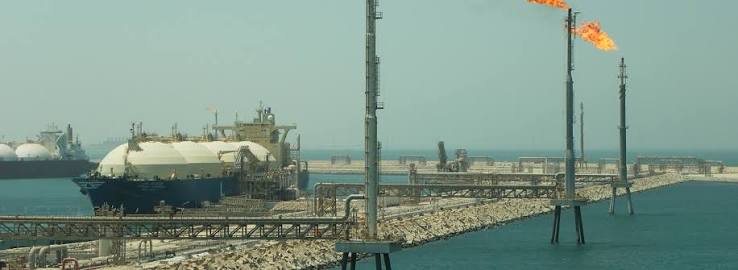
Investment in Gulf natural-gas infrastructure can have implications far beyond the energy sector. The Umm Shaif Gas Cap development in Abu Dhabi is one example of upstream investment that can strengthen the region's gas supply base and, indirectly, support the feedstock security required for ammonia and fertilizer production.
Because fertilizers are fundamental inputs for modern agriculture, developments affecting fertilizer feedstock availability can ultimately influence global food-production economics.
The relationship is indirect, but structurally important: natural gas → ammonia → nitrogen fertilizer → agricultural production → food supply.
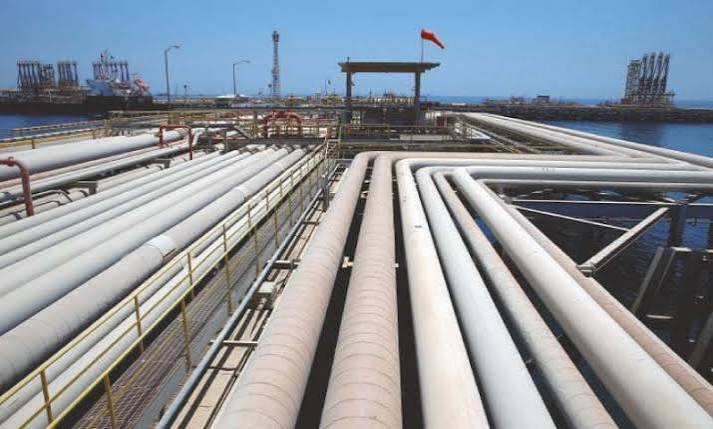
Why Gulf Gas Matters to Fertilizer Markets
Natural gas is a critical feedstock for producing hydrogen and ammonia, which are used to manufacture major nitrogen fertilizers.
Key fertilizer products include:
Ammonia
Urea
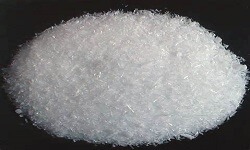
Urea (Granular) - Egypt
Ammonium nitrate
Ammonium sulfate
UAN fertilizers
Reliable gas availability can therefore support fertilizer producers by improving feedstock security and reducing exposure to unexpected supply constraints.
The Upstream-to-Food Connection
The Umm Shaif development illustrates how investment in energy infrastructure can affect downstream agricultural markets.
1. Natural Gas Supply
Additional Gulf gas capacity can strengthen the region's overall feedstock base.
2. Ammonia Production
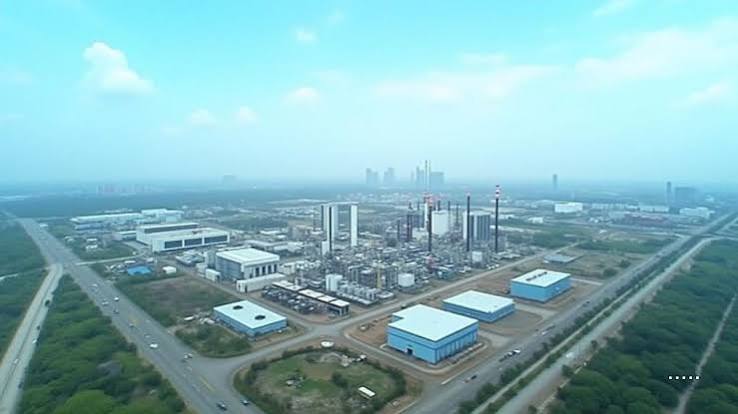
Natural gas is processed to produce hydrogen, which is combined with nitrogen to manufacture ammonia.
3. Fertilizer Manufacturing
Ammonia is an essential building block for nitrogen fertilizers such as urea and ammonium nitrate.
4. Agricultural Production
Nitrogen fertilizers support crop yields and are therefore directly connected to agricultural economics.
5. Food Costs
Changes in fertilizer availability and production costs can eventually feed through into agricultural commodity and food-production costs.
Market Implications
Continued Gulf investment in gas infrastructure could provide a modest supportive signal for global fertilizer feedstock availability.
Potential effects include:
Greater regional gas supply security
Support for ammonia production
Improved fertilizer feedstock availability
Greater resilience in Gulf fertilizer exports
Reduced exposure to localized gas shortages
Potential support for long-term fertilizer production capacity
However, fertilizer prices are influenced by many other factors, including crop economics, natural-gas prices, trade restrictions, production outages, inventories, and global agricultural demand.
Competitive Intelligence
For fertilizer and food-sector analysts, upstream gas investment can be an important leading indicator.
Useful indicators to track include:
New Gulf gas production capacity
Ammonia plant investments
Urea capacity additions
Natural-gas pricing
Fertilizer export volumes
New fertilizer projects
Regional infrastructure development
Monitoring these indicators together can provide a better understanding of future fertilizer supply conditions.
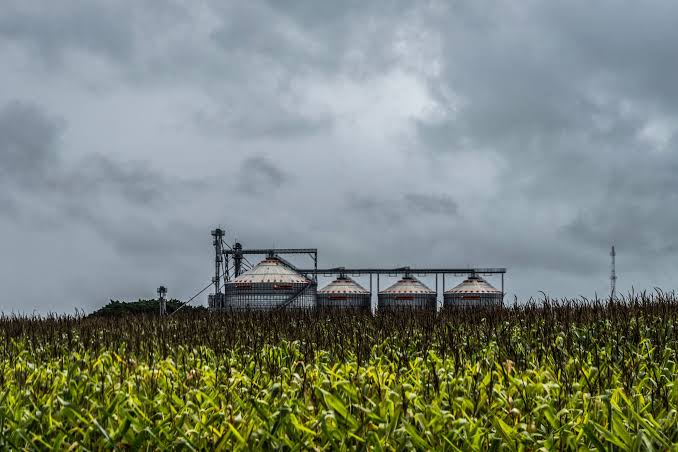
Procurement Considerations
Food and agricultural supply-chain buyers should recognize that fertilizer economics can be influenced by upstream energy developments.
Procurement and market-intelligence teams should monitor:
Natural-gas availability
Ammonia pricing
Urea pricing
Fertilizer production capacity
Gulf export infrastructure
Global fertilizer inventories
Regional trade restrictions
Understanding these upstream drivers can improve forecasting of agricultural input costs and potential food-price pressures.
Looking Ahead
The Umm Shaif Gas Cap development is primarily an energy infrastructure project, but its broader significance extends into fertilizer and agricultural markets.
By strengthening Abu Dhabi's gas supply base, continued Gulf infrastructure investment can support the feedstock ecosystem underlying ammonia and nitrogen fertilizer production.
The effect on food prices is not immediate or one-to-one, but the structural relationship remains important. As global agriculture continues to depend heavily on nitrogen fertilizers, the availability and cost of natural-gas feedstock will remain a key factor in the economics of food production.
Key Takeaways
Gulf gas infrastructure can indirectly influence fertilizer and agricultural economics.
Natural gas is a major feedstock for ammonia and nitrogen fertilizer production.
Ammonia is used to manufacture products such as urea and ammonium nitrate.
Greater Gulf gas capacity can support long-term fertilizer feedstock security.
Fertilizer costs can ultimately influence agricultural and food-production economics.
Food-sector analysts should monitor upstream energy and downstream fertilizer developments together.
Found this useful?