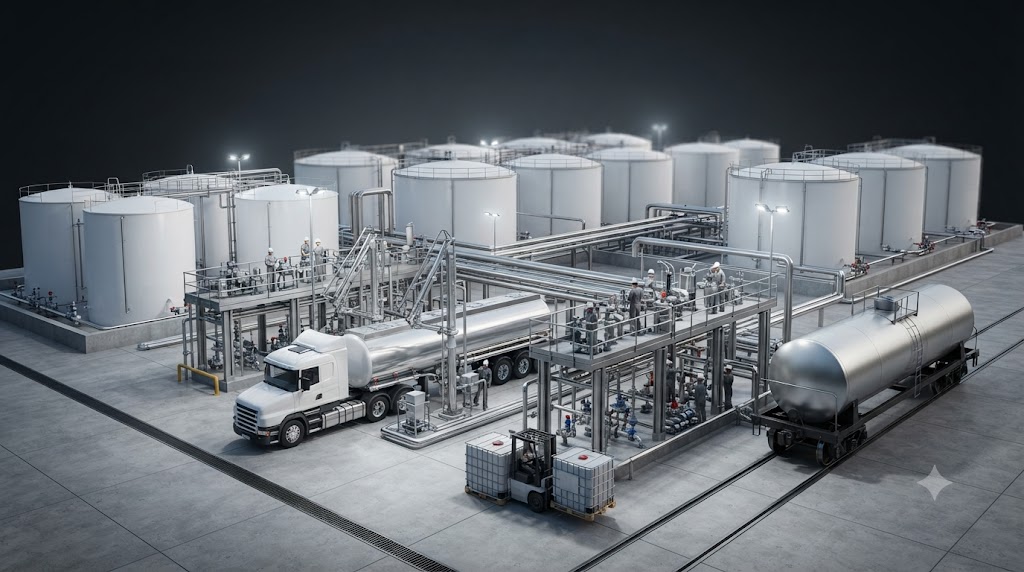
The Gulf region has seen a steady climb in crude oil production over the past year, a trend that has kept global markets buoyant. Yet, when it comes to turning that crude into gasoline, diesel, and petrochemical feedstocks, refineries are still playing catch‑up. The gap between crude flow recovery and refinery restart is widening, and the wünsche consequences ripple through export logistics and the broader chemical supply chain.
Why the Lag? Key Drivers
Capital‑Intensive Restart Processes ocupar a refinery is not a simple plug‑and‑play operation. Every unit, from catalytic crackers to distillation columns, requires meticulous maximise, safety checks, and environmental compliance. These steps can stretch months, especially in plants that have been idle for extended periods.
Demand Forecast Uncertainty With volatile consumer Psic, refineries often adopt a conservative approach, preferring to keep capacity on standby rather than commit to full throughput. This prudence, while包括的, delays full operational restart.
Logistical Bottlenecks Crude pipelines, rail links, and terminal storage capacity in the Gulf are often at or near maximum throughput. When crude flows increase, the imbalance can stall refinery start‑ups because the supply chain cannot deliver the feedstock fast enough.
Regulatory and Environmental Hurdles New emissions standards and ballast water treatment protocols require additional investment and time. Compliance upgrades, while essential, add to the restart timeline.
Impact on Petrochemical Feedstocks
Petrochemical plants rely heavily on a stable supply of specific feedstocks such as ethylene, propylene, and benzene. A delayed refinery restart means fewer of these chemicals are produced, leading to a tighter market. Chemical manufacturers are therefore experiencing higher procurement costs and are forced to look for alternative suppliers, often outside the Gulf. This shift not only affects pricing but also introduces longer lead times and higher transportation costs.
Export Logistics Challenges
Export of refined products is a multi‑modal operation that hinges on precise scheduling. With a lag in refinery output, shipping lines face irregular cargo loads, which disrupts vessel chartering and port scheduling. Terminal operators may experience underutilised berths, while logistics planners must constantly re‑route shipments to match the phantom supply. This unpredictability forces exporters to pay higher freight rates and to invest in buffer inventories, further inflating costs.
Supply Chain Implications
Beyond immediate cost implications, the delay reverberates through the entire chemical supply chain. Downstream industries such as plastics manufacturing, fertilizer producers, and specialty chemical companies must adjust their production calendars. Some firms have started to diversify their feedstock sources, sourcing from non‑Gulf refineries or even investing in domestic petrochemical facilities. While this diversification mitigates risk, it also fragments the regional supply network, reducing the economies of scale that once made the Gulf a global hub.
Looking Ahead: What Could Speed Up Restart?
Accelerated Capital Deployment Investing in modular, rapid‑deployment units can cut restart times by weeks. Governments and private investors can collaborate to provide fast‑track funding for such projects.
Improved Pipeline Capacity Expanding existing crude pipelines or constructing new ones will smooth the flow of feedstock to refineries, reducing one of the primary bottlenecks.
Digital Integration Leveraging real‑time data analytics for predictive maintenance can reduce downtime. Automated monitoring of unit performance allows operators to pre‑empt issues before they halt restart progress.
Regulatory Flexibility Temporary waivers or phased implementation of stricter environmental regulations can provide refineries with the breathing room needed to restart operations swiftly.