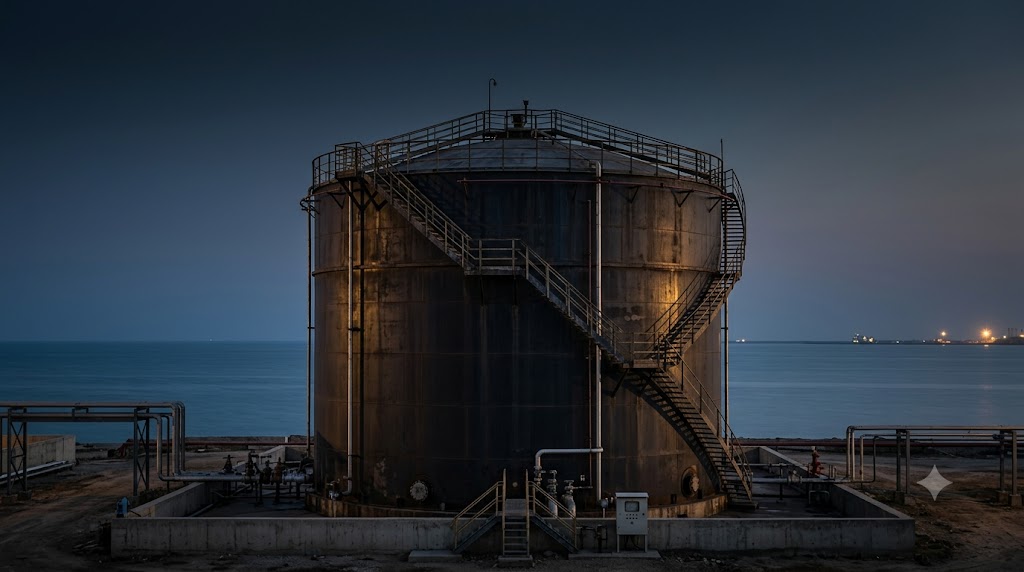
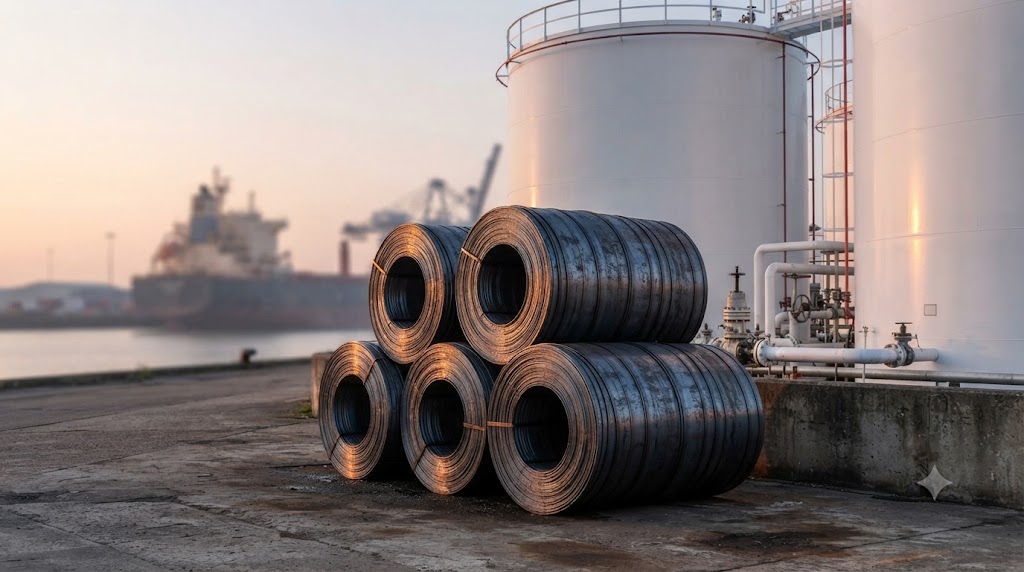
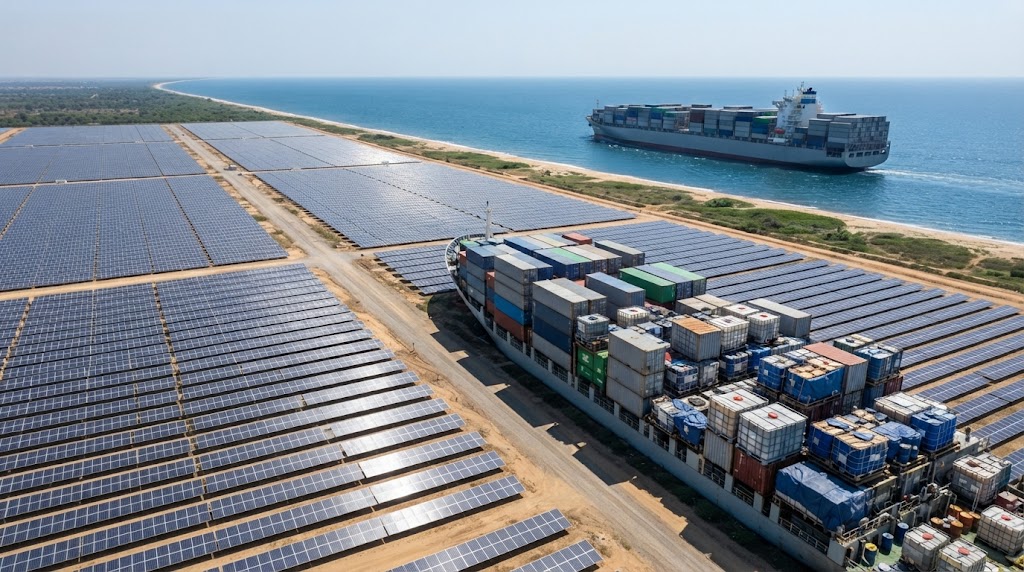
Gulf supply restrictions that followed the US-Iran conflict reshaped chemical trade routes across Asia, Europe and parts of Africa. While headlines have faded, the structural effects on freight, insurance and sourcing strategies remain visible in 2026.
Chemical traders now price risk into contracts that once moved through the Gulf with minimal disruption. Procurement teams continue to assess alternative origins for bulk petrochemicals and solvents, especially those tied to feedstocks from the region.
Why Gulf Supply Restrictions Still Matter in 2026
The Gulf region handles a significant share of global petrochemical exports. Producers in Saudi Arabia, UAE, Qatar and Kuwait supply base chemicals, polymers and intermediates to manufacturers worldwide.
When tensions escalated during the US-Iran conflict, shipping lanes through the Strait of Hormuz faced heightened security checks and insurance premiums. Even temporary slowdowns created ripple effects across supply chains that depend on just in time deliveries.
Although shipping flows have largely resumed, the market still factors in:
Higher war risk insurance premiums for vessels transiting sensitive waters. These costs often pass directly to CIF buyers.
Longer transit times due to rerouting or additional inspections, which increase working capital requirements.
Contract clauses that now include force majeure language tied specifically to Gulf instability.
For buyers of solvents, monomers and commodity polymers, these structural adjustments remain part of everyday pricing discussions.
Impact on Key Petrochemical and Chemical Products
Many high volume chemicals originate from Gulf based feedstocks such as ethane, propane and naphtha. Any perceived risk in the region affects derivative markets globally.
Products most exposed to Gulf supply restrictions include:
Ethylene and its downstream polymers such as polyethylene and PVC. Export heavy producers in the Gulf play a major role in Asian markets.
Methanol, widely used in formaldehyde, acetic acid and fuel blending. Supply interruptions quickly influence spot prices in China and India.
Monoethylene glycol, critical for PET and polyester fibre production. Gulf capacity represents a sizeable portion of global trade flows.
Base aromatics such as benzene and paraxylene, which feed into plastics and synthetic fibres.
Even when physical supply remains available, traders often see speculative buying during periods of tension. This behavior tightens spot availability and widens spreads between contract and spot prices.
Freight Markets and Insurance Premium Volatility
Freight volatility has become one of the most visible lingering effects of the US-Iran conflict. Charterers now evaluate Gulf routes with more scrutiny than before.
Key cost components influenced by Gulf supply restrictions include:
War risk premiums that can change within days based on geopolitical signals.
Crew security requirements, which increase operating expenses for vessel owners.
Limited vessel availability during high risk periods, which drives up freight rates for chemical tankers.
For bulk liquid chemicals, even a small increase in freight per metric ton can shift procurement decisions between origins. Buyers in Southeast Asia, for example, sometimes compare Gulf supply against Northeast Asian producers when freight spreads widen.
The Trade Flow Shift Toward Diversification
One lasting outcome of Gulf supply restrictions involves diversification of sourcing. Procurement managers no longer rely on a single origin for critical inputs.
Diversification strategies include:
Splitting annual contracts between Gulf suppliers and producers in the US or East Asia. This reduces exposure to a single chokepoint.
Increasing buffer inventories for high risk materials, especially those with limited substitute grades.
Negotiating flexible delivery windows rather than fixed shipment dates tied to one port.
This shift has strengthened the position of alternative exporters. US producers, backed by shale feedstocks, gained incremental market share in certain polymer and glycol markets during peak tension periods.
However, Gulf producers still maintain cost advantages in many segments due to integrated complexes and competitive feedstock pricing.
Pricing Mechanisms Under Geopolitical Pressure
Gulf supply restrictions do not only influence physical trade. They also affect pricing psychology and contract structures.
In volatile periods, traders often see:
Wider bid offer spreads in spot markets, reflecting uncertainty about near term cargo arrivals.
Shorter validity periods on quotes, sometimes reduced from several days to 24 hours.
Increased use of price adjustment clauses linked to freight indices or insurance benchmarks.
Buyers who previously focused primarily on ex works or FOB pricing now evaluate total landed cost with greater precision. This includes freight, insurance, demurrage risk and potential delay penalties.
For high volume commodities, a difference of 20 to 30 dollars per metric ton in freight can determine sourcing decisions.
Compliance and Sanctions Risk in Chemical Trade
Beyond physical disruptions, the US-Iran conflict introduced tighter scrutiny around sanctions compliance. Financial institutions and insurers remain cautious when transactions involve certain counterparties or transit routes.
Procurement and trading teams must manage:
Enhanced due diligence on vessel ownership and cargo origin documentation.
Payment channel restrictions that may delay letters of credit.
Sudden changes in allowable trade flows if geopolitical tensions escalate.
Compliance risk now sits alongside price and freight risk in supplier evaluations. Many multinational buyers established internal review protocols specifically for Gulf related transactions.
Strategic Stockholding and Inventory Planning
The memory of abrupt Gulf supply restrictions has reshaped inventory strategy for several industries. Manufacturers of plastics, textiles and packaging materials adjusted safety stock policies.
Instead of relying on weekly arrivals, some buyers maintain:
Two to four weeks of additional raw material stock during periods of heightened tension.
Regional warehousing closer to production facilities to reduce inland logistics risk.
Framework agreements with secondary suppliers activated only during disruption scenarios.
These measures increase short term carrying costs. However, they protect production continuity, which often carries higher financial stakes than inventory expenses.
Market Outlook and Risk Signals to Watch
Industry analysis continues to track how lingering effects from Gulf supply restrictions may signal future challenges for chemical trade routes. While large scale disruptions have eased, the underlying geopolitical landscape remains sensitive.
Key indicators procurement teams should monitor include:
Naval activity and security advisories related to the Strait of Hormuz.
Sudden spikes in tanker freight rates specific to Gulf loading ports.
Insurance market announcements regarding revised war risk zones.
Diplomatic developments between the US and Iran that could either ease or intensify tension.
Chemical markets react quickly to these signals, often before physical supply changes occur. Early awareness allows buyers to secure cargoes ahead of price spikes.
What Buyers Should Do Now
Gulf supply restrictions linked to the US-Iran conflict have shifted chemical trade from a cost only model to a risk adjusted model. Procurement decisions now integrate freight exposure, compliance scrutiny and geopolitical monitoring.
Buyers should prioritise:
Multi origin sourcing for critical petrochemical derivatives.
Clear visibility into total landed cost rather than headline FOB prices.
Contract flexibility that accounts for freight and insurance volatility.
Ongoing communication with logistics partners about route security.
The Gulf region remains a cornerstone of global chemical supply. Cost competitiveness and integrated production ensure its continued relevance.
However, the events surrounding the US-Iran conflict serve as a reminder that trade routes can change quickly. Prepared procurement teams balance price opportunity with supply security to maintain stable operations.
Ready to source Gulf supply restrictions related chemicals from verified global suppliers? Explore competitive offers on our platform today.