Haltermann Carless and INERATEC to Scale E-Fuels via a French Power-to-Liquids Plant
Haltermann Carless and INERATEC to Scale E-Fuels via a French Power-to-Liquids Plant
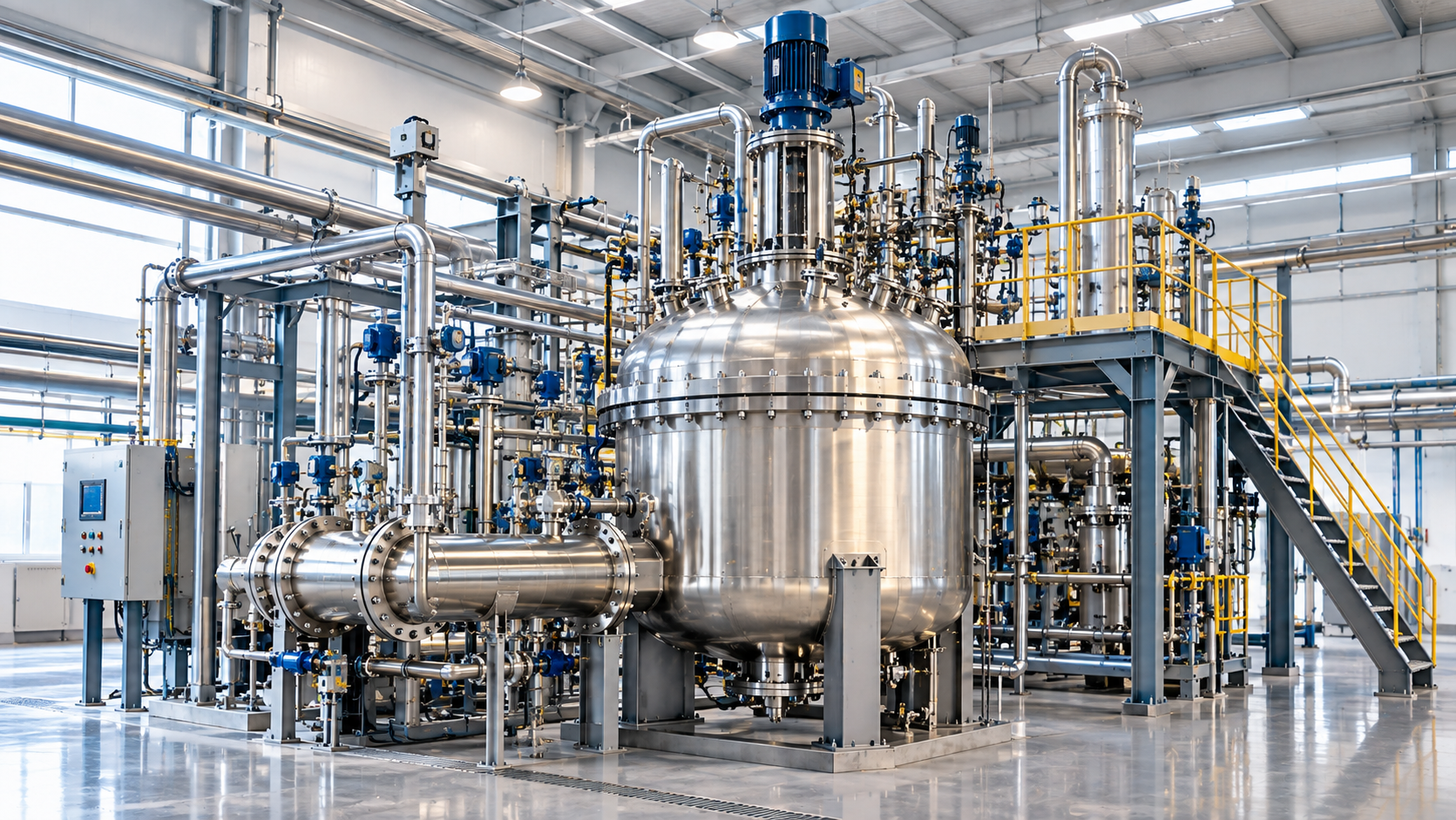
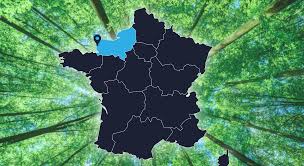
Haltermann Carless and INERATEC have signed a letter of intent (LoI) for strategic cooperation on the ERA T.H2 project in Normandy, France. The collaboration aims to advance industrial deployment and commercialisation of sustainable e-fuels and renewable hydrocarbons in Europe. Haltermann Carless intends to purchase a significant volume of bio-e-SAF and bio-e-naphtha annually for a minimum of ten years after the plant’s commissioning. The facility is designed as one of the first commercial Power-and-Biomass-to-Liquids (PBtL) plants, combining residual wood biomass with renewable energy and Fischer-Tropsch synthesis to produce synthetic aviation fuel and chemical feedstocks, with commissioning targeted for 2029.
Project Scope and Technology
ERA T.H2 will use sustainably sourced residual wood from regional forests and industrial operations, together with renewable energy. From around 2031 the plant is expected to process approximately 60,000 tonnes of residual wood biomass per year. Gasification will convert the biomass into syngas, which INERATEC’s technology will then transform into at least 13,000 tonnes per year of Fischer-Tropsch products, including e-SAF for aviation and e-naphtha as a basic chemical feedstock. The configuration is described as Power-and-Biomass-to-Liquids, distinguishing it from pure Power-to-Liquids routes that rely solely on captured CO₂ and green hydrogen.
Roles of the Partners
INERATEC contributes its modular gas-to-liquids / Fischer-Tropsch platform and experience in building and operating synthetic-fuel plants. Haltermann Carless, a specialist in performance and sustainable fuels, brings offtake commitment and market access in motorsport, aviation and other high-energy-density applications. Dr Bruno Philippon, General Manager of the Performance Fuels division at Haltermann Carless, has positioned e-fuels as a key complement to the company’s renewable-fuels portfolio, particularly where drop-in compatibility and energy density remain essential.
Why Offtake Matters
Long-term offtake is one of the hardest pieces to lock in for first-of-a-kind e-fuel projects. A multi-year commitment from an established fuels specialist improves bankability, supports project financing and gives the plant a clear route to market for both aviation fuel and naphtha. For Haltermann, securing volume from a European PBtL asset diversifies its sustainable-fuels slate and reduces reliance on purely imported or less differentiated renewable streams.
Location and Feedstock Logic
Siting the plant in Normandy and anchoring it to residual wood creates a regional value chain: local biomass, local conversion, and products that can serve European aviation and chemicals demand. Using residual rather than virgin biomass helps address sustainability and land-use concerns that have complicated some biofuel pathways. Pairing biomass-derived syngas with renewable energy and Fischer-Tropsch chemistry aims to deliver fuels with a strong greenhouse-gas reduction profile while remaining compatible with existing engines and infrastructure.
Context in the European E-Fuels Landscape
Europe is pushing hard on sustainable aviation fuel mandates and on domestic production of renewable fuels to improve energy resilience. Pure PtL projects face high costs for green hydrogen and CO₂ capture; hybrid PBtL concepts that incorporate biomass can improve economics and capacity factors in some configurations. ERA T.H2 sits in that hybrid category and, if delivered on schedule, would add meaningful European capacity for e-SAF and renewable naphtha in the early 2030s.
Outlook
The LoI between Haltermann Carless and INERATEC moves the ERA T.H2 project from technology concept toward commercial structuring, with a clear offtake path for bio-e-SAF and bio-e-naphtha over at least a decade from start-up. The next critical steps are final investment decision, engineering completion, biomass supply contracts and financing. If the plant reaches its design rate of at least 13,000 tonnes per year of Fischer-Tropsch products from 2031, it will provide a concrete European reference for power-and-biomass-to-liquids at commercial scale and a reliable domestic source of drop-in sustainable fuels for aviation and specialty chemical applications.
Sources
Rennet Casein
Found this useful?