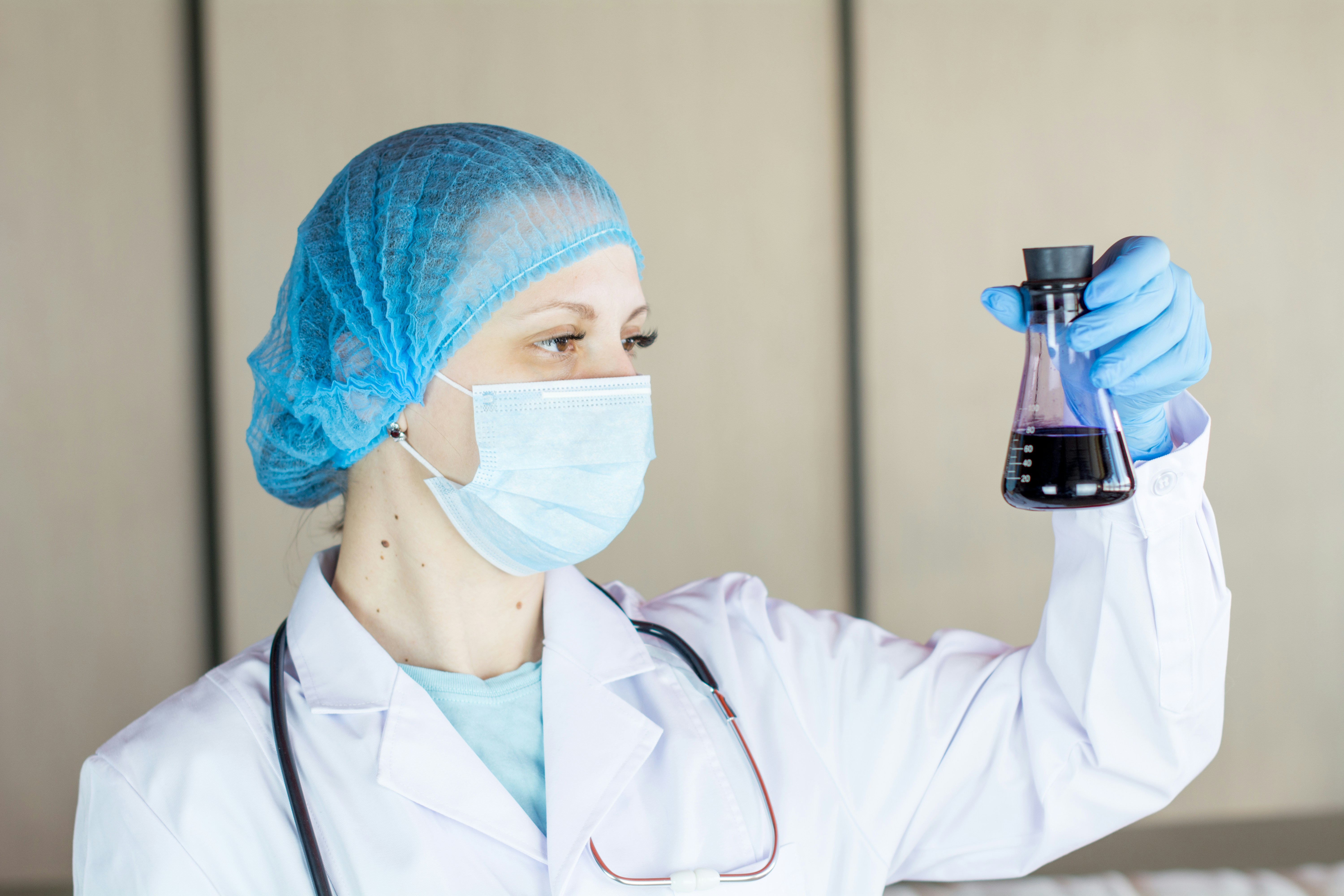
Healthcare Disinfectants and Antiseptic Chemicals
Healthcare disinfectants and antiseptic chemicals are essential products used to maintain hygiene, prevent infections and protect patients and medical professionals. Hospitals, clinics, diagnostic laboratories, pharmaceutical facilities and other healthcare institutions depend on these chemicals for cleaning surfaces, disinfecting medical equipment, preparing skin before medical procedures and supporting hand hygiene.
Growing attention to healthcare-associated infections (HAIs), antimicrobial resistance and patient safety continues to make infection prevention a major priority for healthcare providers. As a result, demand for effective disinfectants and antiseptics remains closely connected to hospital activity, healthcare infrastructure investment and regulatory requirements.
The industry includes several chemical categories, each designed for specific applications. Manufacturers must balance antimicrobial effectiveness with product safety, material compatibility, environmental considerations and compliance with applicable regulations.
Understanding Healthcare Disinfectants and Antiseptics
Although disinfectants and antiseptics both help control microorganisms, they serve different purposes.
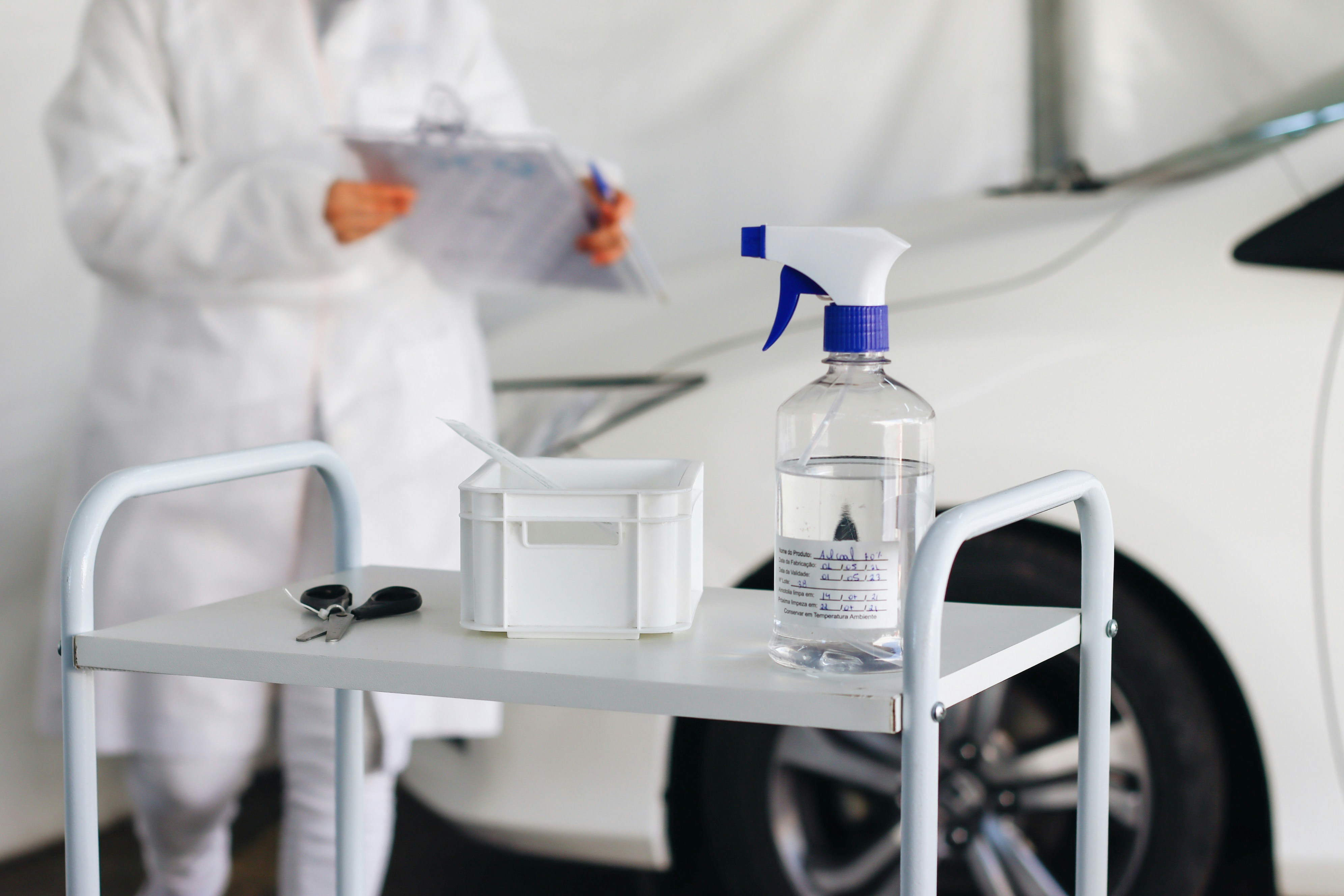
Disinfectants are primarily used on non-living surfaces, medical equipment and environmental areas to reduce or eliminate harmful microorganisms. They are commonly applied to hospital beds, examination tables, operating-room surfaces and selected medical instruments.
Antiseptics are formulated for application to living tissue, particularly skin. They are used for hand hygiene, surgical skin preparation, wound care and other medical procedures.
The distinction is important because a chemical product suitable for disinfecting a hospital surface is not automatically safe for application to human skin.
Major Chemical Categories and Their Applications
Healthcare facilities use different active ingredients depending on the required antimicrobial activity, application and compatibility with materials.
1. Alcohol-Based Compounds
Ethanol and isopropyl alcohol are widely used in healthcare hygiene products. They are common ingredients in hand rubs, skin preparation formulations and certain small-surface disinfectants.
Their rapid antimicrobial action makes them useful in clinical environments where quick application is required. However, alcohol-based products have limitations, including flammability and reduced effectiveness against certain microbial forms, such as bacterial spores.
2. Chlorine-Based Disinfectants
Sodium hypochlorite and other chlorine-releasing compounds are used for environmental disinfection and the treatment of contaminated surfaces.
These products are particularly relevant for managing blood and body-fluid spills and for situations requiring activity against certain resistant microorganisms. Appropriate concentration, contact time and handling procedures are essential because chlorine compounds can be corrosive and irritating.
3. Quaternary Ammonium Compounds
Quaternary ammonium compounds, commonly called quats, are used in many healthcare surface-cleaning and disinfection formulations.
They are valued for their application convenience and compatibility with various hard surfaces. Their effectiveness depends on the specific formulation and target microorganisms, so product selection must follow validated performance claims and healthcare protocols.
4. Hydrogen Peroxide-Based Products
Hydrogen peroxide is used in surface disinfectants, specialized equipment-processing applications and certain advanced decontamination systems.
Depending on formulation and concentration, hydrogen peroxide products can provide broad antimicrobial activity. Some enhanced formulations are designed for faster action or improved performance against more resistant microorganisms.
5. Chlorhexidine-Based Antiseptics
Chlorhexidine is an important antiseptic ingredient used in healthcare hand hygiene and skin preparation products.
It is available in different formulations, including aqueous and alcohol-based combinations. Its applications include preoperative skin preparation and selected clinical hygiene procedures. Formulation, concentration and intended use must comply with applicable safety and product requirements.
6. Iodophors and Other Iodine-Based Antiseptics
Povidone-iodine is widely used for skin antisepsis and preparation before certain medical procedures.
Its antimicrobial properties make it useful in clinical settings, although product selection must consider patient suitability, application instructions and potential sensitivity.
Key Factors Driving Industry Demand
Demand for healthcare disinfectants and antiseptic chemicals is influenced by several developments across the healthcare sector.
Growing Focus on Infection Prevention
Healthcare-associated infections create significant challenges for hospitals and healthcare systems. Effective environmental cleaning, hand hygiene and appropriate disinfection practices are important components of infection prevention and control programmes.
Healthcare facilities therefore require reliable supplies of approved cleaning agents, surface disinfectants and antiseptic products.
Expansion of Healthcare Infrastructure
New hospitals, outpatient facilities, diagnostic laboratories and surgical centres create additional demand for infection-control chemicals.
As healthcare infrastructure expands, procurement requirements also grow. Facilities need products for routine cleaning, specialized clinical applications and equipment decontamination.
Greater Awareness of Antimicrobial Resistance
Antimicrobial resistance has increased attention on infection prevention as an important public health strategy.
Appropriate disinfection and antiseptic practices can help reduce opportunities for pathogen transmission. However, excessive or inappropriate use of antimicrobial chemicals can create safety and environmental concerns. Healthcare facilities increasingly need evidence-based product selection and controlled usage procedures.
Higher Standards for Patient Safety
Healthcare providers are placing greater emphasis on standardized hygiene procedures, staff training and documented cleaning protocols.
This creates demand for products with reliable performance data, clear instructions, appropriate safety documentation and consistent manufacturing quality.
Demand for Ready-to-Use and Specialized Formulations
Hospitals often prefer products that simplify application and reduce preparation errors.
Ready-to-use wipes, pre-diluted disinfectants, alcohol-based hand rubs and specialized surface-cleaning formulations can support more standardized workflows. Manufacturers are also developing products designed for specific equipment, clinical areas and operational requirements.
Regulatory Standards Governing Healthcare Disinfectants and Antiseptics
Regulatory compliance is a major consideration for chemical manufacturers, distributors and healthcare procurement teams. Requirements differ between countries and depend on the product's composition, intended application and regulatory classification.
United States: EPA and FDA Requirements
In the United States, the Environmental Protection Agency (EPA) and Food and Drug Administration (FDA) have different regulatory responsibilities.
The EPA generally regulates antimicrobial products used on environmental surfaces under the Federal Insecticide, Fungicide, and Rodenticide Act (FIFRA). Manufacturers must meet applicable registration requirements and support the antimicrobial claims made on product labels.
The FDA regulates antiseptic products intended for use on living tissue, as well as certain high-level disinfectants and liquid chemical sterilants used to process medical devices.
This distinction is important for manufacturers because a product's intended use determines which regulatory pathway may apply.
European Union: Biocidal Products Regulation
In the European Union, Regulation (EU) No. 528/2012, commonly known as the Biocidal Products Regulation (BPR), establishes requirements for the approval of active substances and authorization of biocidal products.
Products must meet applicable safety and efficacy requirements before they can be placed on the market for regulated uses.
Healthcare-related disinfectants may fall under different product types depending on their intended application. For example, products used for human hygiene, surface disinfection and medical equipment processing can have different regulatory classifications.
Manufacturers must therefore assess the relevant product type, active-substance status, authorization requirements and permitted claims.
International Standards and Testing Requirements
International standards and recognized test methods help demonstrate whether disinfectant formulations perform as intended.
Relevant standards and testing frameworks include:
EN 14885: Provides a framework for applying European standards to chemical disinfectants and antiseptics.
EN 13727: Addresses bactericidal activity testing in the medical area.
EN 13624: Covers fungicidal or yeasticidal activity testing in the medical area.
EN 14476: Addresses virucidal activity testing of chemical disinfectants and antiseptics.
ISO 13485: A quality-management standard relevant to organizations involved in medical devices, where applicable to their products and operations.
ISO 9001: A general quality-management system standard used across manufacturing industries.
These standards and frameworks are not interchangeable with product authorization. Manufacturers must identify the specific tests and regulatory requirements relevant to each product and intended application.
WHO and CDC Infection-Control Guidance
The World Health Organization (WHO) and the US Centers for Disease Control and Prevention (CDC) provide evidence-based recommendations for infection prevention and environmental cleaning.
Their guidance supports the appropriate selection and use of disinfectants, hand hygiene products and antiseptics in healthcare facilities.
For example, CDC recommendations emphasize using appropriate registered disinfectants according to manufacturer instructions. Its environmental-cleaning guidance also highlights the importance of selecting products based on contamination risk, patient vulnerability and the likelihood of pathogen exposure.
These guidelines are important references for healthcare facilities, although they do not replace national product registration or authorization requirements.
Product Quality, Safety and Compliance Considerations
Manufacturers supplying healthcare disinfectants and antiseptics must address more than antimicrobial performance. Product quality and safe handling are equally important.
Key considerations include:
Efficacy testing: Products should demonstrate the antimicrobial activity claimed for their intended applications.
Formulation stability: Active ingredients must remain within specified quality limits throughout the product's shelf life.
Safety assessment: Products should be evaluated for relevant risks to patients, healthcare workers and the environment.
Material compatibility: Disinfectants must be suitable for the surfaces and equipment for which they are intended.
Labelling and instructions: Packaging should clearly identify intended use, dilution requirements, contact time, precautions and storage conditions.
Safety Data Sheets: Appropriate safety documentation should be available to support handling, storage and workplace protection.
Manufacturing quality: Consistent production processes and quality-control procedures are essential for reliable commercial supply.
Incorrect dilution, inadequate contact time or unsuitable product selection can reduce effectiveness and expose patients and workers to unnecessary risks.
Emerging Developments in Healthcare Disinfection
The industry is evolving as healthcare facilities seek products that combine reliable antimicrobial performance with operational efficiency and improved environmental profiles.
More Efficient Formulations
Manufacturers are working on formulations designed to provide effective disinfection with practical contact times and simplified application procedures. Ready-to-use products and pre-saturated wipes can help reduce preparation errors and improve workflow consistency.
Lower-Impact Chemical Solutions
Environmental considerations are encouraging interest in formulations with improved biodegradability, reduced packaging waste and more responsible chemical handling.
Hydrogen peroxide-based products and other alternative chemistries are receiving attention in specialized applications. Their suitability still depends on validated performance, safety and regulatory approval.
Advanced Decontamination Technologies
Healthcare facilities are also evaluating automated and no-touch technologies, including hydrogen peroxide vapour systems and ultraviolet-based equipment.
These technologies can complement established cleaning procedures in selected environments, but they do not eliminate the need for appropriate manual cleaning and routine infection-control practices.
Stronger Quality and Traceability Requirements
Healthcare buyers increasingly expect suppliers to provide documentation covering product specifications, batch consistency, test results, safety information and regulatory status.
For manufacturers, reliable documentation and traceability can become important competitive advantages when supplying hospitals, healthcare distributors and institutional procurement programmes.
Market Opportunities for Chemical Manufacturers and Suppliers
The healthcare disinfectants and antiseptics industry offers opportunities for chemical producers, formulation companies, contract manufacturers and distributors.
Demand is supported by routine hospital operations, expanding healthcare infrastructure and continued investment in infection prevention.
Manufacturers can strengthen their market position by developing specialized formulations, maintaining consistent product quality and meeting the regulatory requirements of their target markets.
Suppliers that provide technical documentation, product training and dependable distribution can also build stronger relationships with hospitals and healthcare procurement organizations.
At the same time, competition is influenced by pricing, active-ingredient availability, product performance, regulatory costs and the ability to maintain reliable supply.
Outlook for the Healthcare Disinfection Chemicals Industry
Healthcare disinfectants and antiseptic chemicals will remain important to hospitals, laboratories and medical facilities as infection prevention continues to be a central part of patient safety.
Future industry demand will depend on healthcare investment, infection-control policies, regulatory developments and the adoption of more efficient product formulations.
For chemical manufacturers, long-term opportunities will increasingly depend on combining proven antimicrobial performance with product safety, regulatory compliance, quality assurance and responsible chemical management. These factors will help shape the next stage of development in the healthcare disinfectants and antiseptics market.
https://www.cdc.gov/healthcare-associated-infections/hcp/cleaning-global/procedures.html
Zinc Sulphide
Found this useful?