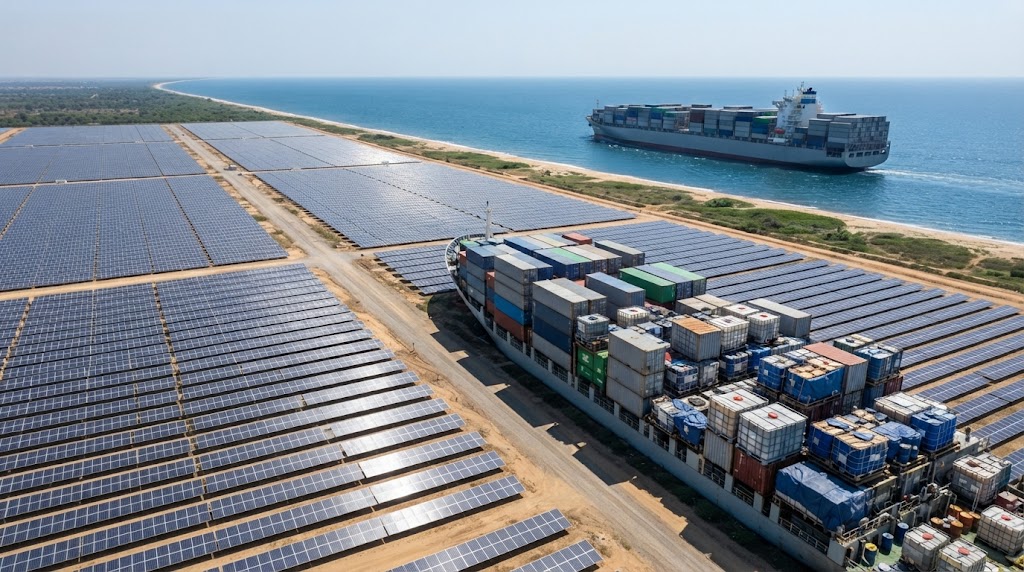
The immediate headlines around Hormuz focused on crude oil and LNG, yet analysts now track a wider pattern of disruption that reaches deep into helium, sulfur and petrochemical co-products. The chokepoint affects export rhythms for gas rich in helium, refining operations that generate elemental sulfur and crackers feeding polymer chains around the world. For chemical and fertilizer buyers, the true impact lies not only in headline energy prices but in the quiet tightening of co-product markets that many supply chains once treated as assured.
These secondary effects unfold slowly. Contracts mask spot volatility at first, inventories buffer early shocks and only later do procurement teams see shortages, delayed deliveries and unusual price behavior in products that rarely commanded strategic attention.
Why Hormuz Disruptions Reach Beyond Crude
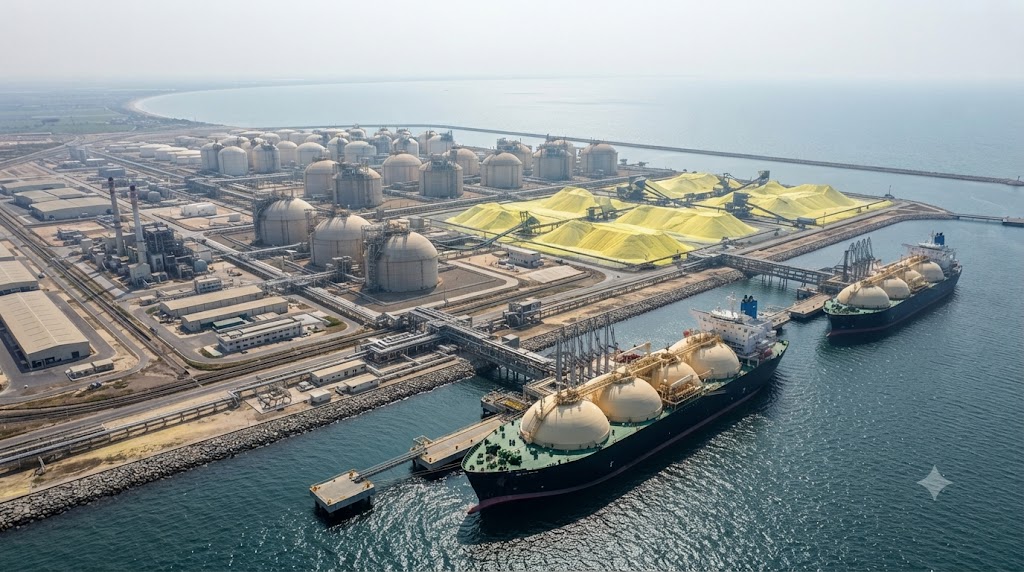
The Strait of Hormuz serves as corridor for more than crude tankers. It also carries NGL and LNG cargoes, refined products and ships loaded with urea, ammonium sulfate and molten sulfur. When traffic patterns through that corridor shift, co-product chains begin to feel strain.
Three structural links matter most:
Helium rich gas fields in the Gulf feed liquefaction plants whose output moves through Hormuz
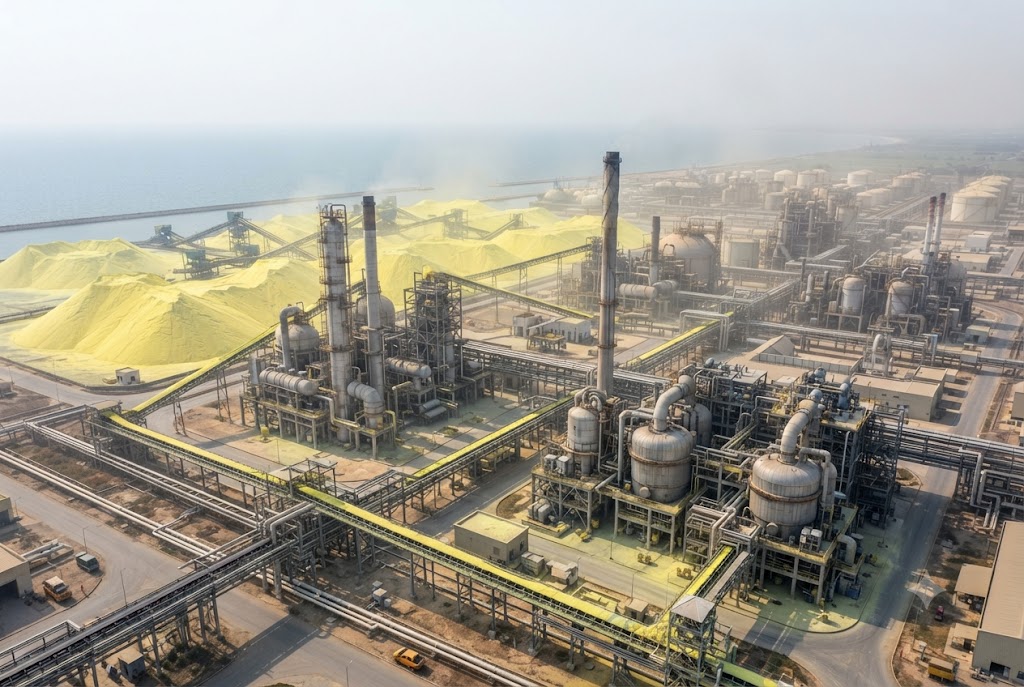
Refineries and sour gas plants in the region generate large shares of globally traded sulfur
Ethane and LPG exports support cracker complexes in Asia and Europe that depend on Gulf feedstock
Any constraint on this flow, whether from security premiums, insurance restrictions or physical delays, ripples outward into specialty gases, sulfur-based fertilizers and commodity polymers.
Helium: High Tech’s Invisible Bottleneck
Helium supply relies on a small number of large sources. Several of the most significant sit in or near Gulf producing states whose exports cross Hormuz. Helium comes as co-product of natural gas processing, not as primary mining target. When LNG volumes falter or reroute, helium logistics move with them.
For buyers in electronics, healthcare and specialty welding, this creates specific pressure points:
MRI and medical imaging systems require ultra high purity helium to cool superconducting magnets
Semiconductor fabs and fiber optics manufacturing use helium for inert atmospheres and leak testing
Industrial gas blenders serving precision welding and aerospace depend on dependable liquid helium flows
Disruptions in Gulf related feed upset global helium balancing. The United States and Qatar account for much of world supply. If Qatar’s LNG or helium exports slow while US capacity stays fully contracted, spot buyers scramble.
Procurement teams now see:
Longer lead times from certain industrial gas suppliers
Tighter allocation for non medical, non fab customers
Premiums for flexible contracts that guarantee volume rather than best price
Helium’s co-product nature means no producer will “swing” supply solely for helium economics. Capacity flexes with gas and LNG decisions, not with specialty gas demand.
Sulfur: Fertilizer Feedstock in the Crosshairs
Elemental sulfur illustrates how refinery and sour gas decisions cascade into fertilizers. Middle Eastern and FSU refineries, many shipping through Hormuz connecting routes, account for a large share of seaborne sulfur.
Sulfur flows into:
Phosphoric acid and then DAP, MAP and TSP fertilizers
Ammonium sulfate and other sulfur enhanced nitrogen products
Industrial sulfuric acid for metals, chemicals and battery materials
When export schedules change, import dependent regions notice quickly. India, Brazil and parts of Africa rely heavily on seaborne sulfur. A few missed cargos translate into higher spot prices for sulfur, then higher offers for phosphate fertilizers one or two months later.
You now see several patterns:
Phosphate producers with captive sulfur from integrated refineries hold pricing power
Independent fertilizer blenders face squeezed margins as sulfur surcharges appear
Regional buyers watch sulfur CFR indications as closely as they watch DAP prices
Sulfur reminds buyers that “waste” from oil and gas systems became critical feedstock for crop nutrition. When the upstream system hiccups, fertilizer pricing logic changes.
Petrochemical Co-Products: From Niche to Constraint
Beyond helium and sulfur, Hormuz related dynamics affect less visible co-products tied to crackers and reformers.
Three categories deserve particular attention:
Pyrolysis gasoline and aromatics feeding solvents, plasticizers and resin intermediates
C4 streams providing butadiene for synthetic rubber and specialty elastomers
Hydrogen and syngas supporting downstream ammonia, methanol and specialty derivatives
Gulf ethane and naphtha feed crackers in Asia and Europe. Any sustained disturbance alters global cracker runs and co-product output. When specific complexes slow or change feed slates, co-product slates shift.
Procurement teams notice:
Tightening in certain C4 derivatives even when base olefins feel balanced
Aromatics pricing that appears disconnected from gasoline or xylene fundamentals
Contract partners quietly invoking force majeure on niche co-products while continuing to supply main monomers
These imbalances do not always make headlines, yet they hit rubber producers, coating resin formulators and adhesive manufacturers squarely in their raw material lists.
Extended Fertilizer Chain Effects
Sulfur is not the only fertilizer link affected. Nitrogen and potash supply feel secondary ripples through logistics and trade flows.
Nitrogen impacts:
Urea and UAN cargoes from Middle East producers may face higher freight and insurance costs
Ammonia flows re-route to avoid risk premiums, changing availability in traditional import hubs
Producers in other regions adjust export plans as Gulf volumes become less predictable
Potash and phosphate dynamics:
Vessels detouring around risk zones lift freight benchmarks that feed into CFR potash and DAP offers
Some buyers front load purchases, pulling demand forward and steepening seasonal price swings
For ammonia based products, this coincides with elevated natural gas price volatility in Europe and North America. Buyers cannot treat Gulf disruptions as isolated logistics events. They now sit atop broader energy and freight uncertainty.
Regional Winners and Losers
Not every region loses from Hormuz related disruption. Some producers gain relative advantage as co-product tightness boosts margins where they hold integration.
Potential relative winners:
Integrated refiners with sulfur units in North America and Europe that sell into regional fertilizer chains
US helium producers able to supply spot volumes when Gulf constrained buyers search alternatives
Ethane based crackers far from Hormuz whose co-products become more valuable under global tightness
Likely losers:
Import dependent fertilizer markets with limited storage capacity and heavy reliance on Gulf sulfur and ammonia
European resin producers already squeezed by energy costs now seeing co-product volatility layered on top
Smaller industrial gas distributors that lack long term take or pay contracts with primary helium producers
Understanding these relative shifts helps procurement teams judge which suppliers hold leverage in negotiations and which partners might accept more flexible commercial terms.
What Procurement Teams Are Seeing On The Ground
From conversations with buyers across gases, fertilizers and polymers, several practical themes emerge.
You likely recognize some of these in your own operations:
Lead times have lengthened for helium and certain sulfur based products, even when formal allocations are not in place
Incoterms discussions have become sharper, with suppliers pushing more risk and cost responsibility to buyers on FOB or ex works terms
Contract language around “unforeseen logistics constraints” now appears more frequently in draft agreements
Spot prices occasionally spike without obvious local cause, only later linked to missed Gulf cargos or rerouted vessels
Procurement leaders also report increased C suite interest in topics once considered tactical. Sulfur sourcing strategies, helium contract structures and co-product dependencies now appear in board level risk discussions.
Risk Mapping: Dependencies You May Have Missed
Most companies mapped crude and LNG dependencies after earlier energy crises. Fewer have mapped co-product risk with the same discipline.
A basic risk map should include:
Helium footprint: medical, fab, industrial use, on site storage, contract coverage versus demand
Sulfur exposure: direct sulfur purchases, sulfuric acid sourcing, embedded sulfur in phosphate fertilizers
Co-product ties: butadiene, pyrolysis gasoline, hydrogen and other streams you may buy as specialty products
Useful questions:
Which materials in your portfolio come as co-products, not primary outputs?
Do any originate primarily from Gulf or Hormuz exposed production?
What proportion of your volume sits under long term contracts, and what proportion floats on spot?
How many months of physical buffer do you really hold, plant by plant?
This exercise often reveals hidden single points of failure. A single helium ISO tank, a single sulfuric acid supplier tied to a Gulf refinery, a single C4 provider serving multiple plants.
Practical Mitigation Levers
Once dependencies surface, several concrete mitigation levers become available.
For helium:
Negotiate tiered allocation rights that prioritize critical uses like medical and fab operations
Evaluate on site storage expansions where cost justifies increased resilience
Explore recovery and recycling technologies in high use applications
For sulfur and sulfuric acid:
Diversify origins where possible, adding North American or European suppliers alongside Gulf producers
Consider strategic inventory at import terminals or near production sites for key fertilizer and industrial formulations
Work with suppliers on flexible specification ranges to widen potential source options without compromising performance
For petrochemical co-products:
Build dual sourcing even within same corporate family, for example two different crackers or refineries
Add optional volumes into primary monomer contracts that include co-product access
Review force majeure clauses to clarify how co-product supply obligations sit relative to main product flows
Not every lever fits every buyer. Yet even modest diversification and contract sharpening can reduce exposure meaningfully.
How This Shapes Pricing Over the Next 12–24 Months
Prices for helium, sulfur and co-products will not move in simple straight lines. Instead, expect oscillations around new structural levels.
Likely patterns:
Helium: elevated base prices with periodic sharp spikes when logistics misalign, especially during maintenance seasons at major liquefaction plants
Sulfur: more volatile CFR pricing into India and Brazil, with seasonal peaks steeper than historic norms
Co-products: occasional tightness disconnecting prices from underlying main product fundamentals, especially in C4 and aromatics
Buyers should treat any sudden “quiet” period not as a signal that risk has passed, but as an opportunity to lock in better terms or diversify while market attention has moved elsewhere.
The Bottom Line for Global Buyers
Hormuz related disruption started as an oil and LNG story. It now operates as a broader co-product and fertilizer narrative that procurement teams cannot ignore. Helium, sulfur and petrochemical co-products once sat in the background of crude centric risk models. They now deserve front row treatment in supply chain mapping, contract strategy and board level risk reviews.
Companies that understand these extended ripples and act early will secure more resilient supply, better pricing structures and stronger negotiation positions. Those who wait until allocations and price spikes hit their inbound deliveries will navigate from a position of weakness, reacting rather than shaping outcomes.
Ready to source Sulphur from verified global suppliers? Explore competitive offers on our platform today.