When shipping through the Strait of Hormuz slowed and insurance costs spiked, most attention focused on crude and LNG. Only later did buyers feel the second wave in helium, sulfur and petrochemical co-products that sit quietly behind global energy flows. Analysts are still mapping that fallout as fertilizer producers, industrial gas suppliers and polymer buyers uncover dependencies they did not know they had.
For procurement teams, the message is clear. You can no longer treat co-products as background noise in oil and gas markets. They now represent front line supply risks that can disrupt pricing, allocations and even plant uptime.
How Hormuz Disruptions Reach Helium, Sulfur And Co-Products
The Strait of Hormuz is not just an oil lane. It is the corridor for:
LNG and associated helium shipments
Sour gas and refinery streams that generate elemental sulfur
NGL cargoes feeding ethylene crackers and propane dehydrogenation units
When that corridor gets constrained, several things happen at once:
Gas processing and liquefaction schedules change, affecting helium extraction
Refinery runs adjust, altering sulfur output and export timing
NGL flows into key petrochemical hubs shift, changing co-product slates
These are not theoretical linkages. They show up in:
Longer lead times for liquid helium and specialty gas mixes
Tighter sulfur availability into India, Brazil and North African fertilizer hubs
Unexpected tightness in C4s, aromatics and hydrogen even when headline olefin balances look comfortable
Understanding these chains is now as important as tracking crude benchmarks.
Helium: From Side-Stream To Strategic Bottleneck
Helium supply depends on a handful of large gas fields and liquefaction plants. Several of the most important sit in Gulf countries whose exports move through or near Hormuz.
Key points for buyers:
Helium is a co-product of natural gas processing, not a primary product
Liquefaction cuts or rerouted LNG cargoes often mean less helium on the water
Ramp up elsewhere is slow because new helium capacity trails gas projects by years
The sectors feeling it first are:
Medical imaging where MRI systems need high purity helium continuously
Semiconductor and fiber optics facilities that rely on helium for inert atmospheres and leak detection
Aerospace and advanced welding using helium blends with very tight purity specifications
Procurement teams are seeing:
Priority allocation for medical and fab customers
Reduced flexibility for industrial uses that were once easy to cover
Pricing formulas that now include explicit logistics and risk premiums
Because helium rides on LNG and gas decisions, you cannot solve a helium problem with helium levers alone. You need visibility into upstream gas scheduling and liquefaction maintenance that industrial gas suppliers sometimes hesitate to share.
Sulfur And Fertilizers: Knock-On Effects In Crop Nutrition
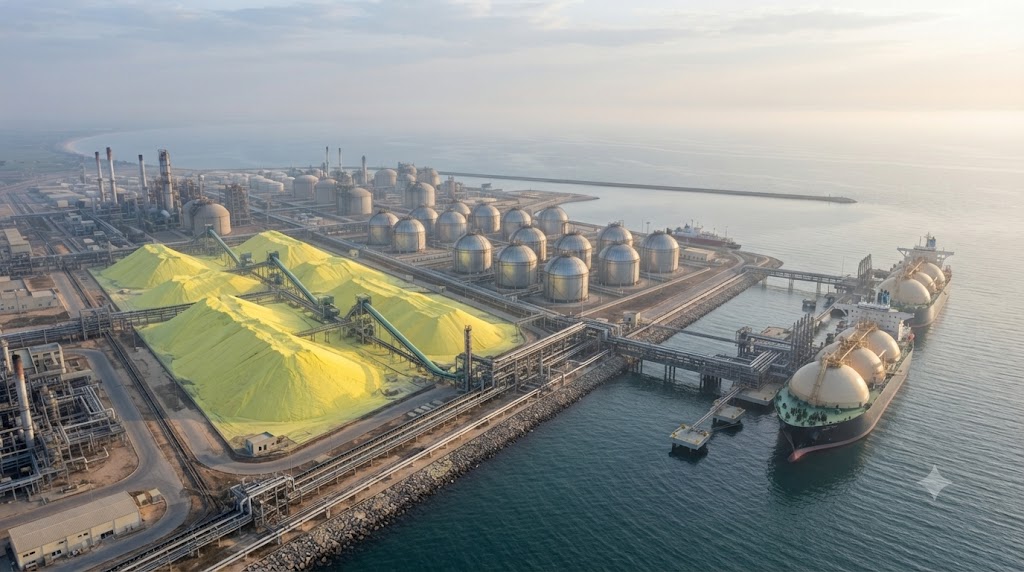
Elemental sulfur links refiners, gas processors and fertilizer producers. Gulf refineries and sour gas plants contribute a large share of globally traded sulfur, much of which leaves through Hormuz and adjacent shipping lanes.
That sulfur becomes:
Sulfuric acid and then phosphoric acid for DAP and MAP
Ammonium sulfate and other sulfur-enhanced nitrogen products
Industrial sulfuric acid for metals, battery materials and chemicals
When sulfur exports slip or freight costs jump, the fertilizer story turns very quickly:
Phosphate producers with captive sulfur can hold margin while others scramble
Import-dependent regions like India and Brazil see sulfur CFR prices spike before DAP offers follow
Smaller blenders and distributors get squeezed because they cannot pass through sulfur volatility as easily
Typical patterns after Hormuz-related disruptions include:
Short tender windows where sulfur cargoes clear at unusual premiums
Producers in North America and Europe raising sulfuric acid prices even with stable local refining
Fractured parity between sulfur, DAP and MAP that makes historical pricing rules unreliable
If you buy DAP, MAP or ammonium sulfate, you now have sulfur exposure even if you never sign a sulfur contract directly.
Petrochemical Co-Products In The Crossfire
Beyond sulfur and helium, a series of petrochemical co-products sit one step removed from Hormuz but still feel its shocks.
Critical chains include:
C4 streams and butadiene used in synthetic rubber and specialty elastomers
Pyrolysis gasoline and aromatics feeding solvents, resins and plasticizers
Hydrogen and syngas that support ammonia, methanol and specialty intermediates
Gulf ethane and naphtha shipments underpin crackers in Europe and Asia. When feedstock flows change route, the resulting co-product mix changes too.
Buyers see effects like:
Tightening butadiene availability when specific crackers reduce runs or switch feed
Aromatics pricing that spikes even when gasoline demand is flat
Hydrogen shortages for refining and specialty chemicals when reformer operations shift
These impacts are often uneven. One co-product can be tight while headline monomers look well supplied. That catches buyers off guard who only watch the big benchmarks.
Where The Pain Shows Up In Contracts And Pricing
The extended fallout from Hormuz does not always appear as dramatic force majeure notices. It often looks like less obvious contract drift.
Procurement teams report:
More frequent use of "unforeseen logistics difficulty" language in supplier correspondence
Increased push toward FOB terms that shift freight and risk to buyers for gases and co-products
Surcharge proposals on sulfuric acid, helium and niche co-products tied loosely to "regional logistics conditions"
Shorter contract durations for helium and sulfur versus historical norms
On the pricing side, you may notice:
Helium contracts moving from simple escalators to hybrid structures with base plus logistics surcharge bands
Sulfuric acid prices that no longer track crude or refinery margins cleanly but react to Gulf tender outcomes
Co-product prices that decouple from their main product parents and follow local tightness more than global fundamentals
If your contracts still assume old patterns, you are likely carrying more risk than your documentation suggests.
Region-By-Region Fallout For Buyers
The Hormuz effect is not uniform. It varies by region and by how dependent each market is on Gulf-linked flows.
Asia:
Northeast Asia feels the impact in helium and certain co-products more than sulfur
South Asia, especially India, sees sulfur and DAP volatility first
Chinese cracker runs adjust based on NGL imports and local economics, shifting C4 and aromatics availability
Europe:
Helium tightness adds to existing industrial gas constraints in some markets
Sulfur imports into Mediterranean ports face more volatility than North Sea linked streams
C4 and aromatics swings layer onto already stressed energy-intensive producers
Americas:
US helium producers gain leverage but face logistics constraints serving incremental demand
Latin American fertilizer importers see stepped sulfur and DAP volatility
Co-product markets like butadiene look attractive for US producers when overseas capacity falters
Knowing your region's position on these maps helps you predict which levers suppliers can realistically pull and which are posturing.
What Procurement Teams Should Be Doing In The Next 12 Months
With analysts still mapping fallout, procurement teams cannot wait for the perfect picture. There are concrete steps to take now.
1. Build a co-product risk map
List all materials that originate as co-products: helium, sulfur, sulfuric acid, butadiene, aromatics, hydrogen
For each, identify primary production regions and whether Gulf flows are significant
Flag single-source dependencies where one plant or basin dominates your supply
2. Rebalance contract structures
For helium and sulfuric acid, consider trading some price risk for higher allocation security
Clarify force majeure and logistics clauses so "Hormuz" cannot justify anything and everything
Add transparent pass-through formulas for freight and insurance where appropriate
3. Diversify origins where possible
For sulfur and acid, bring at least one non Gulf origin into your portfolio if volumes allow
For co-products, investigate whether alternative crackers or reformers in other regions can be qualified
For helium, explore multi-supplier strategies even if total volume per supplier falls
4. Invest in monitoring
Track sulfur CFR indications, helium tender outcomes and key Gulf export statistics as part of your regular dashboard
Align internal alerts so trade lane disruptions trigger review of co-product exposure, not just crude and LNG
A modest amount of new analysis and contract work now can avoid much more painful surprises later.
Lessons For Chemical Traders And Buyers
The extended fallout from Hormuz underlines several structural lessons for anyone trading or buying chemicals, fertilizers or industrial gases.
Three stand out:
Co-products are no longer "free". Their economics matter, their logistics matter and their risk profile needs explicit management.
Geography still wins. Integration with refineries and gas plants in stable regions becomes a real advantage when a chokepoint like Hormuz wobbles.
Transparency beats assumptions. Knowing the exact origin and chain of your helium, sulfur or butadiene is worth more now than shaving a euro per tonne off a barely specified spot deal.
The companies that treat helium, sulfur and petrochemical co-products as strategic categories, not commodity afterthoughts, will navigate this period of extended fallout with less volatility and more control.
Ready to source Sulphur from verified global suppliers? Explore competitive offers on our platform today.