Herbicides Market Trends: Global Applications, Demand Drivers and Supply Developments Through 2030
Herbicides play an essential role in modern agriculture by controlling unwanted vegetation and protecting crops from competition for nutrients, sunlight and water. As commercial farming expands and agricultural producers face increasing pressure to improve yields, global demand for effective weed management solutions continues to create opportunities across the agrochemical industry.
The global herbicides market reflects this growing importance. According to Grand View Research, the market reached an estimated USD 45.2 billion in 2026 and could grow to USD 55.8 billion by 2030, representing a compound annual growth rate (CAGR) of 5.1% between 2024 and 2030.
These herbicides market trends highlight the importance of agricultural productivity, changing weed resistance patterns and improvements in chemical formulations. For chemical traders, importers, exporters and procurement managers, these developments offer opportunities to strengthen supplier networks and respond to evolving agricultural input requirements.
Global Herbicides Market Size and Growth Forecast
The international herbicide industry continues to develop alongside commercial crop production and agricultural mechanisation. Farmers increasingly depend on weed management products to maintain crop quality and reduce losses caused by unwanted vegetation.
Grand View Research estimates that the global herbicides market was worth USD 39.5 billion in 2023. Its forecast places the market at USD 45.2 billion in 2026, with projected growth to USD 55.8 billion by 2030.
Several developments support this expansion:
Higher agricultural production requirements: Growing food consumption encourages farmers to improve productivity across existing agricultural land.
Weed resistance management: Resistant weed populations create demand for alternative formulations and different modes of action.
Mechanised farming: Large agricultural operations require efficient weed control solutions that support commercial cultivation.
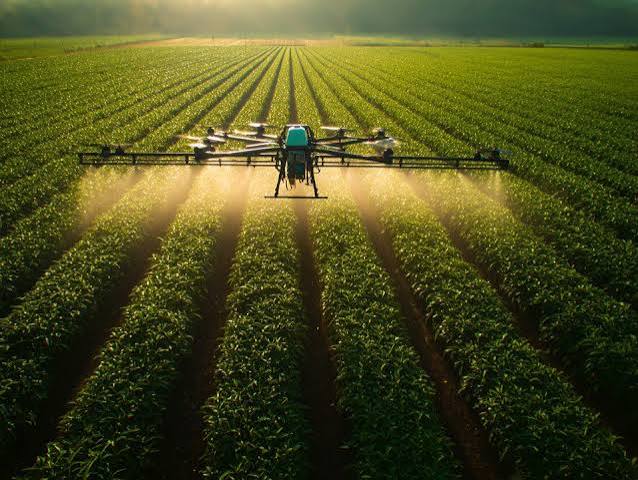
Agricultural technology: Precision application equipment and improved formulations help farmers manage chemical use more effectively.
Commercial crop expansion: Increasing production of cereals, oilseeds and other agricultural commodities supports demand for crop protection inputs.
These factors create a positive long-term outlook, although individual product categories may experience different growth rates depending on agricultural conditions and regulatory requirements.
Major Applications of Herbicides in Agriculture
Herbicides serve different purposes depending on crop type, weed species and cultivation practices. Manufacturers develop formulations for specific application requirements, allowing farmers to select products according to their agricultural conditions.
The following applications account for important areas of commercial demand.
1. Cereals and Grains
Wheat, rice, corn and other cereal crops require effective weed management throughout different growth stages. Unwanted vegetation competes with crops for essential resources and can reduce harvesting efficiency.
Herbicides help farmers manage weed populations across large cultivated areas. This segment represents an important source of demand because cereals and grains occupy substantial agricultural land worldwide.
2. Oilseeds and Pulses
Soybeans, canola, sunflower and other oilseed crops require suitable weed control programmes to maintain production quality. Farmers select herbicides according to crop tolerance, weed species and application timing.
Commercial soybean cultivation in particular supports significant herbicide consumption in major agricultural markets.
3. Fruits and Vegetables
Fruit and vegetable production requires careful weed management around cultivated plants. Farmers use suitable herbicide treatments to control unwanted vegetation while protecting valuable crops.
Product selection depends on crop sensitivity, application methods and applicable residue requirements.
4. Commercial and Industrial Crops
Cotton, sugarcane and other commercial crops also contribute to herbicide demand. Weed control helps agricultural producers manage large cultivation areas and maintain consistent production schedules.
Herbicides also serve non-crop applications, including selected industrial sites, roadsides and managed landscapes.
Different Herbicide Types and Application Methods
The herbicide market includes several product categories designed to address different weed control requirements. Understanding these differences helps agricultural distributors and chemical buyers select suitable products for their customers.
Selective herbicides target particular weed species while allowing specified crops to tolerate the treatment when used according to approved directions. Farmers commonly use these products in cereal production, oilseed cultivation and other commercial farming operations.
Non-selective herbicides control a broader range of vegetation. They serve applications such as field preparation, vegetation management and selected non-crop areas.
Application methods also influence product selection:
Pre-emergence herbicides: Farmers apply these products before weeds emerge, helping control early weed development.
Post-emergence herbicides: These products target weeds after they appear, making application timing an important consideration.
Soil-applied herbicides: Farmers apply suitable formulations to soil to manage weed germination and early growth.
Foliar-applied herbicides: These products reach target vegetation through direct application to plant foliage.
The choice depends on crop requirements, weed characteristics, environmental conditions and the product's approved application instructions.
Regional Demand Trends in the Global Herbicide Market
Herbicide consumption varies considerably across geographical markets. Crop selection, agricultural land availability, farming practices and local weed populations influence regional purchasing requirements.
Asia-Pacific
Asia-Pacific represents one of the largest regional markets for herbicides. Grand View Research identifies the region as the leading market in 2023, accounting for approximately 48.6% of global revenue.
China, India and other regional agricultural economies support demand through extensive cereal production, commercial farming and agricultural modernisation. Rice, wheat and other staple crops create significant requirements for effective weed management.
North America
The United States and Canada maintain established herbicide markets supported by large-scale farming operations and advanced agricultural technology.
Soybean, corn and wheat production contribute significantly to product consumption. Farmers also focus on managing resistant weed populations through different herbicide programmes and application methods.
Latin America
Brazil and Argentina represent important markets because of their substantial soybean, corn and other commercial crop production.
Large agricultural operations require reliable access to herbicides throughout planting and growing seasons. This creates opportunities for international manufacturers, chemical distributors and agricultural input suppliers.
Europe
European herbicide demand operates within a regulatory environment that places considerable emphasis on environmental protection and chemical approval requirements.
Farmers and distributors must consider product registration, permitted active ingredients and applicable restrictions when selecting agricultural chemicals.
Africa and the Middle East
Agricultural development and increasing demand for improved crop productivity create opportunities for herbicide suppliers across these regions.
However, purchasing power, distribution infrastructure, product availability and access to agricultural expertise influence market expansion.
Key Factors Influencing Herbicide Demand
Several agricultural and commercial developments influence the volume and type of herbicides purchased internationally.
Increasing weed resistance: Repeated exposure to the same herbicide mode of action can encourage resistant weed populations. Farmers increasingly require different active ingredients and integrated weed management approaches.
Rising agricultural productivity requirements: Farmers need to protect crop yields while controlling production costs. Effective weed management helps reduce competition between crops and unwanted vegetation.
Labour availability: Mechanised weed control and chemical applications can reduce dependence on manual labour, particularly across large commercial farms.
Climate variability: Changes in rainfall, temperature and growing seasons can influence weed emergence and development. These conditions affect herbicide application schedules and seasonal purchasing patterns.
Precision agriculture: Modern spraying equipment, field monitoring and improved application techniques support more targeted weed control. These developments encourage demand for compatible products and specialised formulations.
Together, these factors create opportunities for manufacturers that can provide consistent product performance and reliable supply.
Supply Chain Developments and International Herbicide Trade
The global herbicide supply chain connects active ingredient manufacturers, formulation companies, distributors, importers and agricultural retailers.
Manufacturers depend on chemical raw materials, production capacity and suitable formulation technologies to maintain consistent output. International buyers then evaluate product specifications, availability, transportation costs and supplier reliability before placing orders.
The Food and Agriculture Organization (FAO) reported that international pesticide export volumes increased by 53% between 2015 and 2024, while export values increased by 35%. These figures cover pesticides as a broader category rather than herbicides alone, but they highlight the growing importance of international pesticide trade.
Several developments influence herbicide procurement:
Raw material availability: Changes in the supply of active ingredients and chemical intermediates can influence manufacturing costs and delivery schedules.
Production concentration: Dependence on particular manufacturing countries or suppliers can expose buyers to supply interruptions.
Freight and logistics: International transportation costs, packaging requirements and shipping schedules affect landed procurement costs.
Product quality: Buyers need consistent active ingredient concentrations, suitable formulations and reliable technical documentation.
Seasonal demand: Importers must plan inventory around regional planting seasons and expected agricultural consumption.
For traders, maintaining alternative supplier relationships can improve purchasing flexibility and reduce dependence on individual manufacturers.
Innovation and Sustainable Weed Management
The herbicide industry continues to develop new formulations and application technologies to address changing agricultural requirements.
Manufacturers are investing in research to improve weed control performance, formulation stability and application efficiency. These developments also respond to increasing attention towards environmental management and resistance prevention.
Some important areas include:
Bio-based herbicides: Products developed from biological organisms or naturally derived substances are receiving greater attention as alternative weed management solutions.
Improved formulations: Advances in formulation technology can improve handling, application characteristics and product performance under suitable conditions.
Precision spraying: Modern agricultural equipment allows farmers to target specific areas and manage application rates more accurately.
Integrated weed management: Combining chemical treatments with mechanical, cultural and other suitable control methods can help reduce reliance on a single weed management approach.
These developments create opportunities for agricultural chemical suppliers to diversify their portfolios and respond to changing customer preferences.
Procurement Strategies for Herbicide Buyers and Traders
The expanding herbicide market creates opportunities for businesses involved in international agrochemical sourcing. However, procurement decisions require more than comparing supplier quotations.
Chemical buyers should evaluate several important factors before selecting a manufacturer or distributor.
Verify product specifications: Check active ingredient concentration, formulation type, physical properties and application requirements against customer needs.
Evaluate supplier reliability: Review production capacity, delivery performance, documentation and the supplier's ability to support repeat orders.
Compare total landed costs: Include product prices, freight, insurance, duties and other applicable import expenses.
Review regulatory requirements: Confirm product registration and import permissions in the destination market before arranging shipments.
Plan seasonal inventories: Coordinate procurement with agricultural calendars to reduce shortages during periods of high demand.
Diversify sourcing channels: Maintain relationships with multiple qualified suppliers to improve supply continuity and purchasing flexibility.
B2B chemical trading platforms can support these activities by connecting international buyers with manufacturers, exporters and distributors offering different chemical products.
What Buyers Should Expect from the Herbicides Market Through 2030
The global herbicides market is positioned for continued development as agricultural producers seek reliable weed management solutions. Increasing crop production requirements, resistant weed populations and advances in agricultural technology will continue to influence purchasing decisions.
For chemical traders and procurement managers, the strongest opportunities will come from understanding regional demand, maintaining dependable supplier relationships and offering products that meet local agricultural and regulatory requirements.
Businesses should also monitor developments in bio-based formulations, precision application technologies and integrated weed management. These areas may influence future product portfolios and create new commercial opportunities across international agricultural markets.
A strategic approach to sourcing, quality evaluation and inventory planning will help buyers remain competitive as the herbicide industry evolves.
Aluminium Stearate
Found this useful?