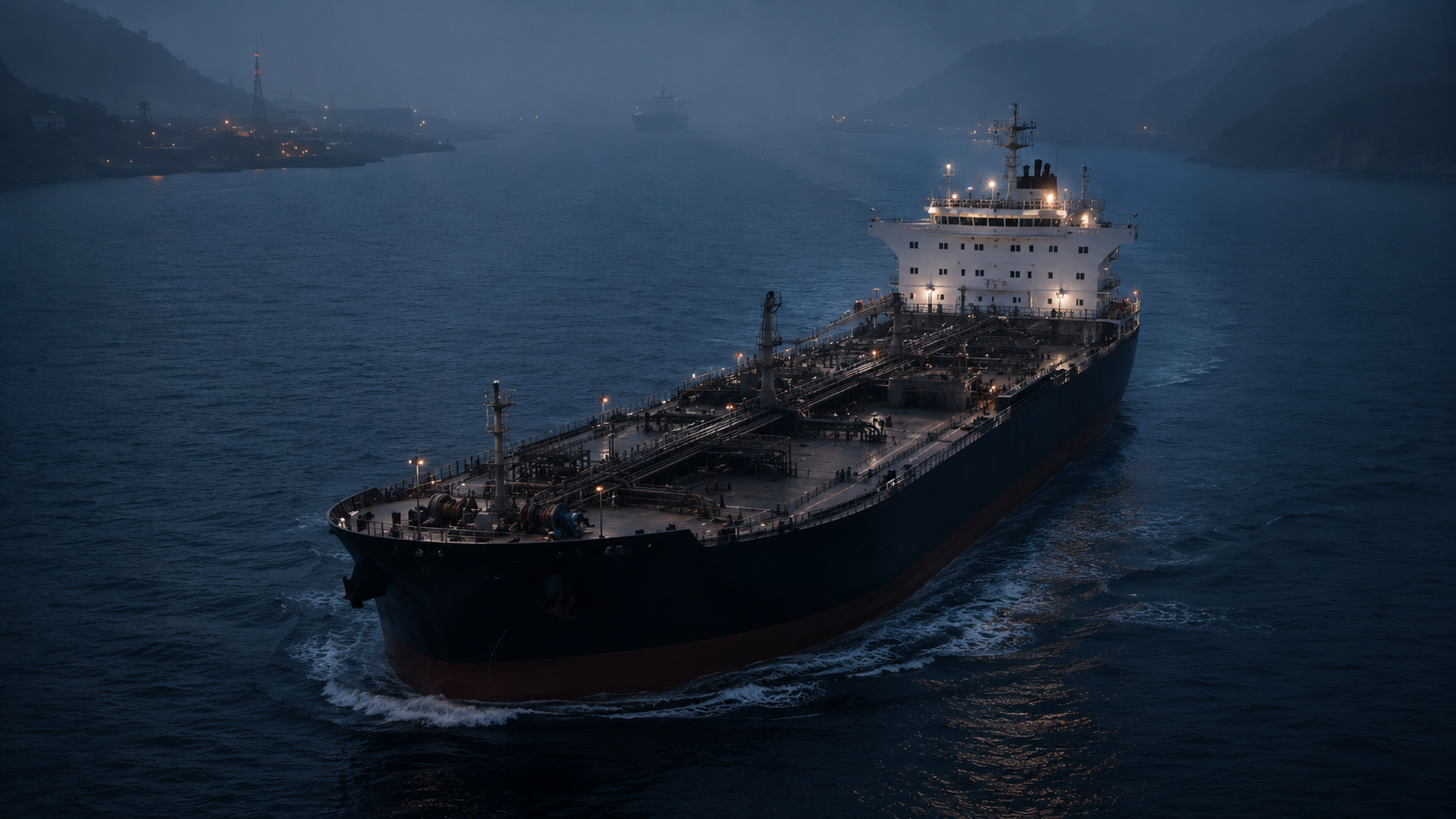
The sixth night of strikes has brought an uncomfortable sense of repetition to the petrochemical market. Only six to nine vessels a day are now crossing the Strait of Hormuz, compared with roughly 130 before the war, creating a bottleneck that nearly mirrors the original February-March disruption.
For petrochemical traders, the significance goes beyond a temporary shipping delay. The Hormuz shipping bottleneck is once again reshaping delivery schedules, freight exposure and sourcing decisions across a market that had already absorbed one major disruption.
The result is a familiar problem with new commercial consequences. Buyers must now assess whether existing supply commitments can move on time, while sellers face rising pressure to manage logistics, inventory and customer expectations.
Why the Hormuz Shipping Bottleneck Feels Familiar
The current disruption has created a strong sense of déjà vu because the scale of the shipping slowdown closely resembles the earlier February-March episode. Vessel crossings have fallen from roughly 130 per day before the war to only six to nine, leaving a much narrower flow of commercial traffic through one of the world's most important maritime corridors.
That sharp reduction changes the operating environment for chemical traders immediately. Even when cargo remains available at the origin, restricted vessel movement can delay loading, extend transit times and complicate delivery planning.
The repeated pattern also makes the market more sensitive to every new development. Buyers who experienced earlier disruption may move faster to secure replacement cargo or additional inventory, increasing competition for available supply outside the affected route.
Six to Nine Vessels a Day Changes the Trading Equation
A fall from roughly 130 daily crossings to six to nine represents a dramatic contraction in maritime traffic. For the petrochemical sector, that means the physical movement of products becomes a more immediate concern than ordinary price negotiations.
The impact can appear across several parts of a transaction:
Longer delivery windows: Cargoes may require more time to reach customers, especially when vessels face delays before entering or leaving the affected corridor.
Higher freight exposure: Limited vessel availability can increase competition for suitable shipping capacity and raise the logistics cost attached to each shipment.
More difficult scheduling: Importers and distributors may struggle to align vessel arrivals with production schedules, storage capacity and downstream customer commitments.
Greater inventory pressure: Buyers may prefer to hold additional stock where possible, reducing the risk of production interruptions if new cargoes face further delays.
The key issue for procurement teams is not simply whether a chemical can be purchased. The question is whether the material can arrive within the required commercial window.
Petrochemical Traders Are Facing a Familiar Supply Chain Shock
Petrochemical traders have already seen how a major shipping disruption can spread beyond the maritime route itself. When vessel movement contracts sharply, the effects can reach freight markets, port operations, warehouse planning and customer negotiations.
This creates a chain reaction. A buyer waiting for one shipment may need to secure replacement material, while another buyer may increase stock levels to protect against future delays.
The repeated disruption also makes timing more important. Traders who wait for the situation to normalize may face tighter availability later if other buyers begin securing cargoes in advance.
For companies operating on narrow margins, the problem becomes even more complex. A delayed shipment can create additional storage costs, production scheduling problems or contractual pressure with customers who expect delivery on a specific date.
The Biggest Risk Is Uncertainty Around Delivery Timing
For chemical buyers, uncertainty often creates more difficulty than a known delay. A confirmed longer transit time allows procurement teams to adjust production schedules and inventory plans, while unpredictable movement makes it harder to determine how much material they actually need.
The current bottleneck creates several planning questions:
Will a contracted vessel move according to its original schedule?
Can alternative vessels provide reliable capacity?
Should buyers increase safety stock before additional delays develop?
Can suppliers offer alternative origins or shipping routes?
How much additional freight cost can the buyer absorb?
These questions matter across a wide range of petrochemical products, including feedstocks, solvents, polymers and industrial intermediates.
A buyer may have a confirmed order but still face uncertainty about the final delivery date. That uncertainty can influence production planning just as strongly as a physical shortage.
Procurement Teams Need to Revisit Their Sourcing Playbooks
The return of a familiar bottleneck highlights the importance of having a sourcing strategy that can adapt quickly. Procurement teams should avoid treating every shipment as an isolated transaction and instead examine the wider supply chain behind each purchase.
A practical response can include:
Reviewing route dependence: Identify which products rely heavily on the affected maritime corridor and rank them by business importance.
Checking alternative origins: Evaluate whether equivalent specifications are available from suppliers in other regions.
Confirming inventory coverage: Calculate how long current stocks can support normal operations if the next shipment arrives late.
Reconfirming delivery terms: Review how freight, insurance and delay risks are allocated under existing contracts.
Maintaining supplier communication: Ask suppliers for updated loading schedules and realistic delivery expectations rather than relying only on original estimates.
This process does not eliminate the disruption, but it can reduce the chance that a single delayed shipment becomes a wider operational problem.
Freight and Availability Could Become the Next Pressure Points
The most immediate concern for traders is the combination of restricted vessel movement and rising competition for alternative logistics capacity. If buyers begin shifting cargoes to other routes or securing vessels outside the affected corridor, available capacity can tighten quickly.
That pressure can influence the delivered cost of chemicals even when the underlying product price remains relatively stable. For procurement professionals, the final landed cost matters more than the headline price at the production site.
The market may therefore see greater variation between suppliers depending on:
Origin location and route flexibility
Available vessel capacity
Existing inventory levels
Port access and loading schedules
Customer urgency and contract commitments
This creates a more fragmented trading environment. Two suppliers offering the same chemical may present very different commercial outcomes once freight, timing and reliability enter the calculation.
Why Repeated Disruptions Can Change Buyer Behaviour
A second disruption that resembles an earlier one can affect market psychology. Buyers may become less willing to assume that shipping conditions will return to normal quickly, especially when the latest vessel crossing figures remain close to the previous disruption pattern.
That shift can encourage more defensive purchasing. Companies may place orders earlier, maintain higher inventory levels or diversify their supplier base even when the immediate supply situation appears manageable.
For traders, this behaviour can create additional demand for prompt cargoes. Buyers that previously purchased on a just-in-time basis may now prefer greater delivery certainty, particularly for chemicals that support continuous production.
The change may also benefit suppliers with strong logistics capabilities. A company that can offer reliable delivery from a flexible origin may gain an advantage over a lower-cost supplier with greater route exposure.
What the Bottleneck Means for Global Chemical Trade
The Strait of Hormuz remains a critical part of international energy and chemical trade flows. When vessel traffic falls from roughly 130 crossings per day to six to nine, the disruption affects more than the ships directly caught in the bottleneck.
Chemical markets depend on predictable movement. Producers need feedstocks, converters need raw materials and distributors need dependable delivery schedules. A disruption at a major maritime corridor can therefore influence purchasing decisions far beyond the immediate geography.
The current situation also shows why global chemical buyers increasingly evaluate supply reliability alongside product quality and price. A competitively priced cargo has limited value if it cannot reach the customer when production requires it.
A Repeated Bottleneck Could Keep Risk Premiums Elevated
The longer restricted vessel movement continues, the more likely buyers and traders are to price additional risk into their decisions. That risk may appear through higher freight offers, larger inventory buffers or greater willingness to pay for alternative supply.
The commercial response will vary by product. A buyer handling a widely available commodity may find replacement supply relatively quickly, while a buyer dependent on a specific origin, grade or contract may face fewer options.
This makes early planning particularly important for businesses with limited storage or fixed production schedules. Procurement teams that identify vulnerable products before inventory reaches critical levels have more room to negotiate and source alternatives.
What Buyers Should Do Now
The return of the Hormuz shipping bottleneck requires chemical buyers to focus on resilience rather than simply waiting for normal traffic to return. The current crossing rate of six to nine vessels a day, compared with roughly 130 before the war, shows how quickly maritime access can contract.
Procurement teams should prioritize products with limited substitutes, long replenishment times and high production importance. They should also maintain active conversations with multiple suppliers so they can compare availability, origin options and realistic delivery timelines.
The most effective strategy combines immediate action with longer-term diversification. Buyers should review route exposure, strengthen supplier alternatives and treat logistics reliability as a core part of the purchasing decision.
For petrochemical traders, the lesson from this repeated disruption is clear. A familiar bottleneck can return quickly, but companies that prepare their sourcing options in advance can respond with greater control and less exposure to sudden market pressure. Ready to source Hormuz-linked petrochemicals from verified global suppliers? Explore competitive offers on our platform today.