Hormuz Traffic Craters Again: Just 6 to 9 Vessels a Day, Down From 130
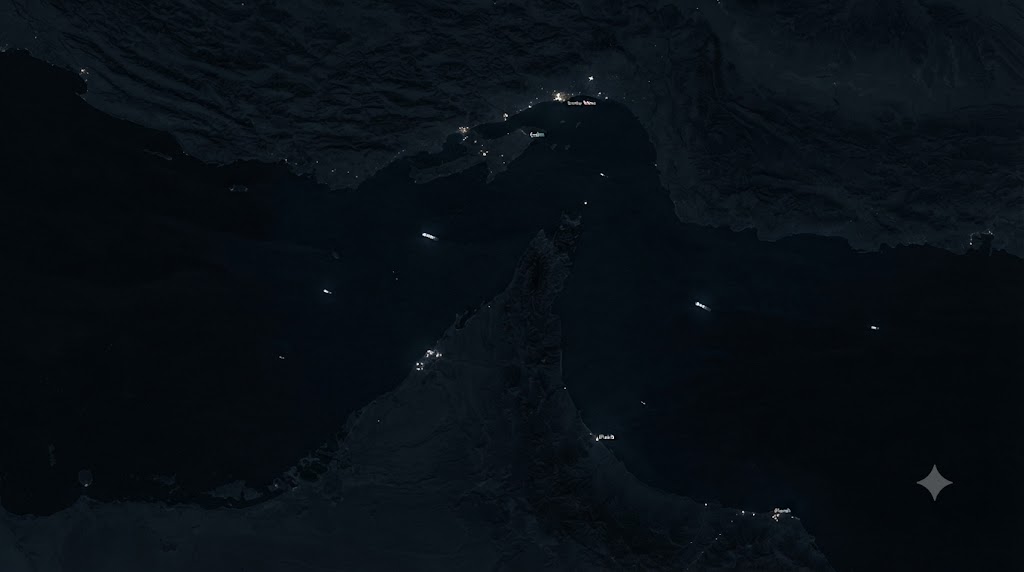
Maritime intelligence firm Windward reported that vessel traffic through the Strait of Hormuz has collapsed to just six crossings in one 12-hour window and nine in another during recent monitoring periods. This compares with 18-22 daily crossings earlier in July and approximately 130 vessels per day before the conflict began. For procurement teams managing chemical, petrochemical and energy supply chains, these numbers confirm that one of the world's most critical shipping chokepoints has effectively shut down commercial traffic.
The implications extend far beyond headline crude oil prices. Naphtha, LPG, ethane, condensate, sulfur, helium and finished petrochemicals all moved through this corridor. With traffic at less than 5% of normal levels, global chemical supply chains face disruption on a scale not seen in decades.
The Scale of the Collapse in Context
To understand the severity, context matters. The Strait of Hormuz normally handles:
Roughly one-third of all seaborne crude oil globally
Substantial LNG flows from Qatar and other Gulf exporters
Major petrochemical feedstock routes including naphtha, LPG and ethane to Asian crackers
Chemical co-products like sulfur, helium and specialty gases
Finished petrochemicals including polyethylene, polypropylene and methanol from Gulf producers
At 130 vessels per day, the strait processed continuous two-way traffic. Tankers queued, tugs assisted passage and pilots navigated the narrow channels in coordinated flows.
Current state:
Six to nine total crossings in 12-hour periods means roughly 12-18 per day at best
This represents 86-91% reduction from normal traffic
Many periods likely see zero commercial crossings
The few vessels moving may be military, humanitarian or government-sanctioned exceptions
This is not a slowdown. This is a near-complete stoppage of commercial maritime activity through the world's most important energy and chemical transit corridor.
What Moves Through Hormuz and What Is Now Stuck
Understanding what normally flows helps grasp the supply chain implications.
Crude oil:
Saudi Arabia, UAE, Kuwait, Iraq and Iran all export crude through Hormuz
20+ million barrels per day typically transit the strait
Alternative pipelines exist but carry far less capacity
Asian refiners depend heavily on Gulf crude delivered via this route
LNG and gas:
Qatar is the world's largest LNG exporter, all of which moves through Hormuz
Gas-rich fields feed liquefaction plants whose output serves Asian power generation and heating
Ethane extracted from gas streams feeds Chinese coastal crackers
Petrochemical feedstocks:
Naphtha from Gulf refineries to Northeast Asian crackers
LPG (propane/butane) serving Asian PDH units and mixed-feed crackers
Condensate for splitters and advantaged cracking operations
Finished chemicals:
Polyethylene and polypropylene from Saudi Arabia, Qatar and UAE
Methanol from Gulf producers
Ammonia and urea from nitrogen plants
Specialty chemicals and intermediates
Co-products:
Elemental sulfur from refineries and sour gas processing
Helium extracted from gas streams
Hydrogen and other industrial gases
All of these flows have now essentially stopped. Some cargoes are trapped on the Gulf side unable to exit. Others are stranded in transit or waiting outside the strait. Asian buyers expecting delivery face weeks or months of delay while alternative sources get secured.
Immediate Price and Availability Impacts
The traffic collapse creates several immediate effects across energy and chemical markets.
Crude oil:
Brent crude spiked but actual physical shortage in Asia may worsen before improving
Alternative barrels from Atlantic basin, Americas or Africa face logistics and quality constraints
Refinery margins compress as plants scramble for replacement crude
LNG:
Asian spot LNG prices surging as Qatar supply disappears
Power generation and industrial gas supply face immediate pressure
European buyers see prices rise as Asian demand competes for Atlantic basin cargoes
Petrochemical feedstocks:
Naphtha prices in Asia rising sharply as Gulf barrels vanish
LPG premiums expanding as propane scarcity hits PDH economics
Ethane import crackers in China face potential shutdown or severe curtailment
Polymers and chemicals:
Gulf PE and PP exports to Asia halted creating immediate supply tightness
Methanol users scrambling for alternative sources
Ammonia and urea markets adjusting to loss of major supplier region
Co-products:
Sulfur availability into India, Brazil and Africa severely constrained
Helium spot prices spiking for non-contracted buyers
Hydrogen users in regions dependent on Gulf imports facing shortages
For procurement teams, these are not theoretical risks. They are current reality requiring immediate response.
Regional Winners and Losers
The Hormuz shutdown creates sharply divergent impacts across global chemical regions.
Clear losers:
Asian petrochemical producers dependent on Gulf feedstocks now face severe margin compression or production cuts
Gulf chemical exporters unable to reach Asian customers lose revenue and face inventory buildup
Indian and Southeast Asian fertilizer importers relying on Gulf ammonia, urea and sulfur
European refiners buying Gulf crude or condensate
Potential winners:
US petrochemical exporters with Atlantic basin routes unaffected gain massive competitive advantage
European chemical producers if alternative feedstock sources can be secured
Chinese coal-to-chemicals units that look expensive versus oil-linked routes suddenly competitive
Latin American suppliers to Asia benefiting from longer-haul freight economics that look less disadvantaged
Complex impacts:
Middle East producers maintain lowest feedstock costs but cannot monetize through exports
Asian buyers face higher costs but also potential supply shortages forcing production cuts
Alternative route operators (Suez, Cape of Good Hope) gain traffic but face capacity constraints
Alternative Routes and Logistics Realities
The obvious question is whether alternative shipping routes can substitute for Hormuz.
Physical alternatives include:
Suez Canal route from Red Sea avoiding Hormuz entirely
Cape of Good Hope around Africa adding 3-4 weeks transit
Pipelines including Saudi East-West line with limited capacity
Overland routes through Turkey or other corridors for some products
Constraints on alternatives:
Suez Canal has capacity limits and draft restrictions preventing unlimited substitution
Cape route adds massive time and freight cost making many cargoes uneconomic
Pipelines cannot handle liquid volumes previously moving via Hormuz
Insurance, security and operational complexities remain even on alternative routes
Even if all alternative capacity operates at maximum, it cannot replace 130 vessels per day moving through Hormuz. The global shipping and logistics system was optimized around that corridor. Rerouting creates bottlenecks, delays and cost increases that take months to fully resolve.
For procurement teams, this means:
Lead times extending dramatically for Gulf-origin materials
Freight costs multiplying for alternative routes
Some products becoming simply unavailable regardless of price
Regional supply chains fragmenting into separate markets
What Asian Petrochemical Buyers Face Right Now
Asian markets feel the most immediate and severe impact given heavy reliance on Gulf feedstocks and chemicals.
Naphtha cracker operators in Japan, South Korea and Taiwan:
Gulf naphtha representing 30-50% of feedstock now unavailable
Alternative sources from Southeast Asia, India or Europe carry premiums and limited availability
Production curtailments likely within weeks if situation persists
Ethylene and derivative prices rising sharply
Chinese ethane import crackers:
Qatar and Saudi ethane flows completely stopped
Crackers built specifically around imported ethane face potential shutdown
No quick alternative ethane sources available at required volumes
May need to import ethylene or derivatives instead of producing
PDH unit operators:
Gulf propane supplies vanished creating severe feedstock shortage
US propane available but at much higher delivered costs
Polypropylene production economics deteriorating rapidly
Some units may curtail pending feedstock security
Polyolefin buyers:
Loss of Gulf PE and PP imports into Asia creates immediate supply tightness
Domestic Asian production cannot fill gap quickly
US and Middle East producers with alternative export routes gain pricing power
Allocation scenarios becoming likely
The Asian petrochemical sector built over decades around Gulf feedstock access now faces fundamental supply chain disruption with no quick resolution.
European Chemical Market Implications
Europe faces different but still significant impacts from Hormuz closure.
Refinery and cracker feedstock:
Some European refiners use Gulf crude or condensate now unavailable
Naphtha supplies tighten if Asian buyers compete for European and Mediterranean barrels
LPG imports from Gulf for European crackers and PDH units disrupted
Finished chemical imports:
European buyers of Gulf methanol, PE or other products face supply gaps
Prices rise as buyers compete for limited alternative sources
Relative competitive position:
European producers gain if they can secure feedstock versus Asian competitors facing worse disruption
High European energy costs still limit competitiveness but gap narrows when Asian costs spike
Policy and strategic considerations:
Energy security concerns resurface highlighting import dependency risks
Pressure builds for domestic production support despite high costs
Strategic inventory policies reconsidered
Europe escapes the worst impacts Asian markets face but still navigates significant supply chain disruption and cost increases.
Co-Product Disruption: The Hidden Crisis
While crude and LNG grab headlines, co-product disruption creates acute problems for specific industries.
Sulfur and fertilizers:
Gulf refineries and sour gas plants produce massive elemental sulfur volumes
India, Brazil and Africa depend heavily on seaborne sulfur imports
Phosphate fertilizer production requires sulfur for sulfuric acid and phosphoric acid
Ammonia and urea exports from Gulf to Asian and African markets halted
Helium supply:
Qatar helium production among world's largest
Medical, semiconductor and industrial users face allocation
No quick alternative sources for volumes Qatar supplies
Spot prices spiking for non-contracted customers
Industrial gases:
Hydrogen, CO₂ and other streams from Gulf complexes serve specific integrated customers
Alternative sourcing difficult given specialized applications and purity requirements
These niche impacts affect specific sectors disproportionately. Fertilizer producers, semiconductor fabs and medical facilities cannot simply pay more or wait. They need physical molecules that are now unavailable regardless of price.
What Duration Assumptions Mean for Strategy
The critical question driving procurement strategy is how long the disruption lasts.
Short duration scenario (weeks):
Draw down inventories and accept spot price spikes
Defer non-critical purchases
Use force majeure protections where available
Maintain supplier relationships for post-crisis resumption
Medium duration scenario (months):
Activate alternative suppliers from other regions
Renegotiate contracts accounting for new cost realities
Build strategic inventory where possible
Consider production adjustments or customer allocation
Long duration scenario (many months to years):
Fundamentally restructure supply chains around non-Hormuz sources
Invest in alternative production routes or technologies
Accept permanently higher cost structures
Evaluate facility relocations or closures for uneconomic operations
Current reality:
No clear visibility on duration
Prudent planning assumes months not weeks
Strategies must work across multiple scenarios
Flexibility and optionality more valuable than optimization
Emergency Actions for Procurement Teams
The Hormuz collapse demands immediate crisis response from chemical procurement organizations.
This week:
Activate crisis protocols convening cross-functional teams
Map complete exposure to Gulf-origin materials across all categories
Contact all suppliers requesting immediate status updates and alternative sourcing plans
Identify critical materials where supply shortage could halt production
Next two weeks:
Secure alternative sources for highest priority materials even at premium costs
Review contracts for force majeure provisions and allocation rights
Communicate with customers about potential supply constraints or cost increases
Build financial models showing P&L impact across duration scenarios
Next month:
Implement alternative sourcing for all critical Gulf-dependent materials
Renegotiate contracts to reflect new market realities
Build strategic inventory where budget and storage allow
Develop customer allocation criteria if shortages materialize
Ongoing:
Daily monitoring of Hormuz traffic data and geopolitical developments
Weekly cross-functional reviews of supply chain status
Monthly scenario updates as situation evolves
Continuous supplier engagement and relationship management
The teams that treat this as true emergency will navigate better than those hoping for quick resolution.
Contract and Commercial Implications
The Hormuz closure tests contracts and commercial relationships across chemical supply chains.
Force majeure questions:
Do Hormuz-related disruptions qualify under supplier force majeure clauses?
Can buyers invoke force majeure with their customers?
How do shared risk provisions allocate cost increases?
Pricing and adjustment mechanisms:
Oil-linked formulas adjust automatically but may not capture full impact
Fixed price contracts create severe supplier financial stress
Cost-plus structures pass through increases but may become unaffordable
Allocation and prioritization:
When suppliers cannot deliver full volumes, who gets priority?
Do long-term contract customers take precedence over spot buyers?
How do force majeure scenarios handle partial deliveries?
Relationship management:
Suppliers under severe financial stress need support to survive
Buyers demanding impossible performance destroy future relationships
Collaborative problem-solving creates loyalty for post-crisis period
The commercial teams that negotiate fairly and help suppliers navigate crisis will build stronger long-term positions than those trying to enforce strict legal rights in extraordinary circumstances.
The Bottom Line for Global Chemical Buyers
Hormuz vessel traffic collapsing from 130 per day to 6-9 in 12-hour windows represents near-complete shutdown of the world's most critical energy and chemical shipping corridor. The implications reach across crude oil, LNG, petrochemical feedstocks, finished polymers and specialty co-products.
Asian petrochemical producers face immediate and severe supply crisis. European and global markets feel secondary impacts. US and other alternative-route suppliers gain enormous competitive advantage.
For procurement teams worldwide, the situation demands:
Immediate crisis response activating alternative suppliers and securing critical materials. Contract and commercial strategy adjustments reflecting new supply realities. Scenario planning across multiple duration assumptions. Continuous monitoring and rapid adaptation as situation evolves.
Those who treat this as temporary inconvenience will face supply shortages, cost explosions and competitive disadvantage. Those who mobilize full organizational response, secure alternative sources and adapt strategies to new reality will navigate successfully.
The global chemical supply chain just experienced catastrophic disruption. Your procurement approach must match the severity of the challenge.
Ready to source Polypropylene from verified global suppliers? Explore competitive offers on our platform today.
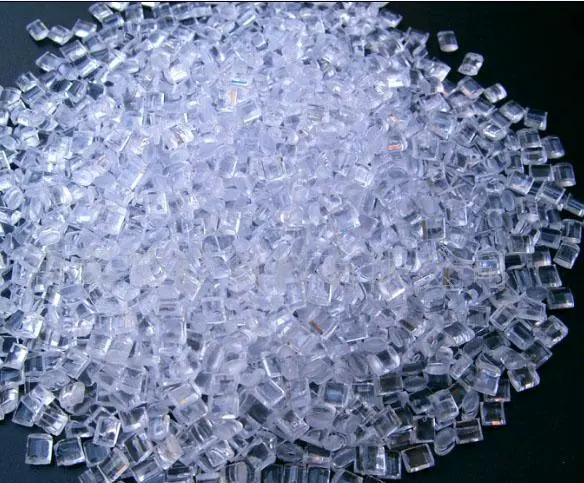
General-Purpose Polystyrene (GPPS)
Found this useful?