How Industries Can Optimize Chemical Processes and Reduce Waste
Why Chemical Process Optimization Matters
Chemical manufacturing involves complex operations such as mixing, heating, cooling, separation, filtration and chemical reactions. Each stage requires specific operating conditions to produce consistent products while maintaining safety and quality standards.
However, inefficient operating conditions can increase energy consumption, raw material losses, production time and waste generation. Equipment limitations, inaccurate process control and poor resource management may also affect overall plant performance.
Chemical process optimization focuses on improving these operations by identifying inefficiencies and making appropriate adjustments to equipment, operating conditions and production methods.
For industrial manufacturers, optimization is not only about increasing production output. It also involves using fewer resources, maintaining product quality, reducing unnecessary emissions and improving the reliability of manufacturing operations.
Key Strategies for Chemical Process Optimization
Several technical and operational approaches can help chemical manufacturers improve process performance.
1. Improve Process Control and Automation
Process control systems monitor and regulate important operating parameters such as temperature, pressure, flow rate, pH and chemical concentration.
Poor control can result in inconsistent product quality, unnecessary energy use and increased raw material consumption.
Modern automation technologies, including distributed control systems (DCS), programmable logic controllers (PLCs) and advanced process control (APC), help maintain stable operating conditions.
Industrial applications: Automated monitoring is widely used in chemical reactors, distillation columns, mixing systems and continuous manufacturing lines. It allows operators to identify process variations and make timely adjustments.
2. Optimize Chemical Reactions
Reaction conditions directly influence product yield, quality and energy requirements. Temperature, pressure, catalyst selection, reactant concentration and reaction time can all affect chemical conversion.
Process optimization involves evaluating these variables to identify suitable operating conditions.
Common approaches include:
Selecting appropriate catalysts
Improving reactant mixing
Controlling reaction temperature
Adjusting residence time
Reducing unwanted side reactions
Industrial applications: Reaction optimization is important in petrochemicals, pharmaceutical intermediates, fertilizer production, polymer manufacturing and specialty chemical processing.
A well-designed reaction process can improve the conversion of raw materials into desired products while reducing unwanted by-products.
3. Improve Heat and Energy Efficiency
Heating and cooling are major energy-consuming operations in many chemical plants. Reactors, furnaces, boilers, dryers and distillation systems require substantial thermal energy.
Improving heat management can reduce energy losses and lower operating costs.
Important strategies include:
Recovering waste heat from hot process streams
Insulating pipes, tanks and equipment
Improving heat exchanger performance
Optimizing heating and cooling temperatures
Using heat integration between different process operations
Industrial applications: Heat recovery systems are used in refineries, chemical plants, fertilizer facilities and other energy-intensive manufacturing operations.
For example, waste heat from one production stage may be used to preheat incoming feedstock for another stage, reducing the need for additional heating energy.
4. Optimize Raw Material Consumption
Raw materials represent a significant part of chemical manufacturing costs. Inefficient dosing, inaccurate measurements and unwanted reactions can result in unnecessary material consumption.
Manufacturers can improve material efficiency by reviewing production recipes, improving measurement systems and controlling feed rates.
Useful practices include:
Accurate chemical dosing
Monitoring raw material usage
Improving reaction selectivity
Reducing product losses during transfer
Reusing suitable process streams
Industrial applications: These methods are relevant to paint manufacturing, detergents, fertilizers, polymers, adhesives and specialty chemical production.
Better raw material management can improve production yield and reduce the amount of unused or rejected material.
5. Improve Separation and Purification Processes
Separation operations are used to isolate products, remove impurities and recover valuable materials from mixtures.
Common industrial separation methods include distillation, filtration, crystallization, membrane separation and evaporation.
These operations can consume significant amounts of energy and processing materials when they are not properly designed or controlled.
Optimization may involve:
Improving distillation column operating conditions
Selecting suitable filtration systems
Reducing unnecessary evaporation
Recovering valuable solvents
Using energy-efficient separation technologies
Industrial applications: Separation optimization is important in petrochemical refining, pharmaceutical production, food ingredients, solvent recovery and specialty chemical manufacturing.
Technologies Supporting Industrial Process Optimization
Modern technologies help manufacturers monitor performance, identify inefficiencies and improve production decisions.
Advanced Process Control
Advanced process control uses mathematical models and real-time operating data to regulate complex industrial processes. It can help maintain consistent product quality while reducing unnecessary adjustments and operating variability.
Artificial Intelligence and Machine Learning
AI and machine learning systems can analyse historical and real-time production data to identify patterns, predict equipment problems and support process adjustments.
For example, predictive models may help operators identify changes in reactor performance or detect abnormal energy consumption.
These systems require reliable data and appropriate engineering validation before being used for critical operating decisions.
Process Simulation Software
Process simulation tools allow engineers to study chemical processes before implementing changes in actual production facilities.
They can be used to evaluate material balances, energy requirements, equipment performance and alternative operating conditions.
Simulation helps engineers compare different process configurations and identify potential improvements.
Digital Monitoring Systems
Digital monitoring systems collect operating information from sensors, instruments and production equipment.
Dashboards and performance indicators help plant teams track energy consumption, production rates, material usage and process variations.
This information supports more informed maintenance and optimization decisions.
How Process Optimization Reduces Industrial Waste
Waste reduction is an important objective of chemical process optimization. Instead of focusing only on treating waste after production, manufacturers can identify opportunities to prevent unnecessary waste at its source.
Reduce Raw Material Losses
Improving process measurements, chemical dosing and material handling can reduce spills, incorrect batches and unused raw materials.
Better inventory management also helps prevent expired or deteriorated chemical products.
Minimize Unwanted By-Products
Optimizing reaction conditions and catalyst performance can improve selectivity toward the desired product. This may reduce unwanted by-products and simplify downstream treatment.
Recover and Reuse Solvents
Many chemical manufacturing operations use solvents for extraction, cleaning, formulation and purification.
Suitable solvent recovery systems can separate reusable solvents from waste streams, reducing fresh solvent purchases and disposal requirements.
Recovered solvents must meet the necessary purity and process specifications before reuse.
Recycle Process Water
Water used in cooling, washing and processing may sometimes be treated and reused within the facility.
Water recycling can reduce freshwater demand and wastewater discharge, provided the recovered water meets the quality requirements of its intended application.
Improve Equipment Maintenance
Leaks, worn seals, damaged pipelines and poorly maintained equipment can cause material losses and production interruptions.
Preventive maintenance helps identify these issues before they lead to larger operational problems.
Important Performance Indicators for Process Optimization
Manufacturers need measurable indicators to understand whether optimization activities are producing the expected results.
Performance Indicator | What It Measures | Optimization Benefit |
|---|---|---|
Product yield | Desired product obtained from raw materials | Improves material efficiency |
Energy intensity | Energy consumed per unit of production | Identifies energy-saving opportunities |
Raw material consumption | Materials used for production | Reduces unnecessary material usage |
Waste generation | Waste produced per unit of output | Supports waste reduction |
Production cycle time | Time required to complete a production cycle | Improves production efficiency |
Equipment availability | Time equipment is available for operation | Reduces unplanned downtime |
Product rejection rate | Percentage of products failing quality requirements | Improves quality consistency |
Tracking these indicators over time helps engineers compare performance against historical baselines and identify areas that require improvement.
Challenges in Implementing Chemical Process Optimization
Although optimization offers several operational benefits, implementing changes in an industrial facility requires careful planning.
Equipment Limitations
Older equipment may not support modern automation or efficient operating conditions. Some improvements may require equipment upgrades or modifications.
Process Safety Requirements
Chemical manufacturing involves hazardous materials, high temperatures, pressure and potentially reactive substances. Any change in operating conditions must undergo appropriate technical and safety evaluation.
Initial Investment
Automation systems, heat recovery equipment and advanced monitoring technologies may require significant upfront investment. Manufacturers should evaluate expected savings and operational benefits before implementation.
Data Quality and Availability
Optimization depends on accurate process information. Incomplete sensor readings, inconsistent records and poor data management can affect analysis and decision-making.
Workforce Training
Operators and engineers need suitable training to understand new technologies, follow updated procedures and respond effectively to process variations.
Best Practices for Sustainable Chemical Manufacturing
Chemical manufacturers can make process optimization part of their long-term sustainability strategy through practical operational improvements.
Conduct regular process audits: Review production operations to identify energy losses, material waste and equipment inefficiencies.
Use resource efficiency indicators: Track energy, water and raw material consumption against production output.
Apply preventive maintenance: Inspect equipment regularly to reduce leaks, breakdowns and unexpected production losses.
Improve chemical inventory management: Purchase and store appropriate quantities to reduce expired materials and unnecessary handling.
Evaluate safer alternatives: Consider less hazardous materials and cleaner production methods where technically and economically suitable.
Encourage continuous improvement: Involve operators, engineers and environmental health and safety teams in identifying process improvement opportunities.
Combining these practices with process monitoring can help manufacturers improve operational performance while reducing environmental impact.
The Future of Chemical Process Optimization
The chemical industry is increasingly exploring technologies that improve production efficiency and resource utilization.
Advanced process control, artificial intelligence, process simulation and digital monitoring are creating new opportunities for manufacturers to understand production performance in greater detail.
Process intensification is another important development. It focuses on improving production through more efficient equipment, integrated operations and alternative process designs. Examples include advanced reactors, improved separation technologies and more effective heat integration.
Manufacturers are also exploring electrified process heating, improved catalyst systems and circular production approaches that recover and reuse valuable materials.
The most suitable technologies depend on the chemical process, production scale, investment requirements and technical feasibility.
Building More Efficient Chemical Manufacturing Operations
Chemical process optimization helps manufacturers improve product yield, control operating costs and reduce unnecessary resource consumption. By improving reaction conditions, strengthening process control, recovering waste heat and managing raw materials more effectively, industrial facilities can achieve better production performance.
Successful optimization requires continuous monitoring, reliable data, technical expertise and proper safety evaluation. Rather than relying on a single improvement, manufacturers should assess the complete production process and identify opportunities across equipment, materials, energy and waste management.
A structured approach to process optimization can support more efficient, reliable and sustainable chemical manufacturing.
https://www.energy.gov/cmei/ito/chemical-and-petrochemical-manufacturing
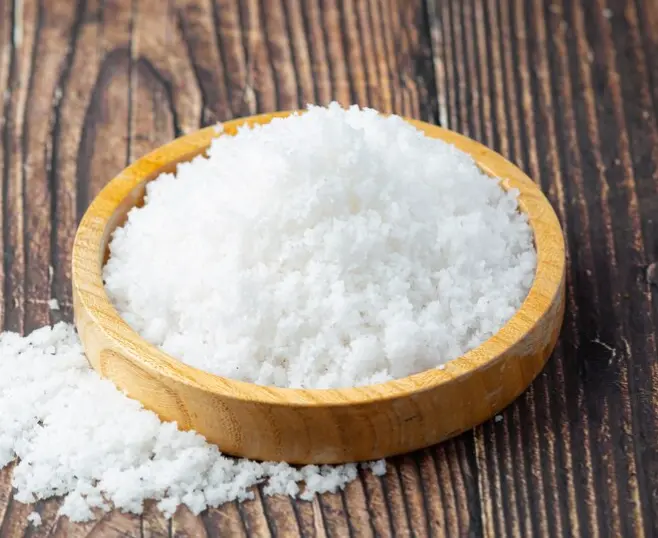
Sodium Sulphate Anhydrous
Found this useful?