How Polymer Compatibilizers Improve Plastic Blends and Processing
What Are Polymer Compatibilizers?
Polymer compatibilizers are additives or specially designed polymers used to improve the compatibility of two or more different polymers in a blend. They help materials with different chemical structures interact more effectively, improving the bonding between their individual phases.
In plastic manufacturing, different polymers are often blended to achieve a combination of properties such as strength, flexibility, impact resistance, heat resistance and processability. However, many polymers do not naturally mix well. When incompatible materials are combined, they may separate into distinct phases, resulting in weak interfaces and inconsistent product performance.
Compatibilizers help address this challenge by improving interfacial adhesion and controlling the structure of polymer blends. They are widely used in plastic compounding, packaging, automotive components, engineering plastics and plastic recycling.
Why Polymer Compatibility Matters in Plastic Blending
Blending polymers can provide manufacturers with a cost-effective way to develop materials with customised properties. However, successful blending depends on how well the polymers interact during processing and in the finished product.
When two polymers are incompatible, several problems may occur:
Poor interfacial adhesion: The different polymer phases may not bond effectively.
Reduced mechanical strength: Weak interfaces can cause materials to fail under stress.
Phase separation: Polymer components may form large, uneven domains.
Inconsistent product quality: Poor dispersion can affect the appearance and performance of finished products.
Processing difficulties: Unstable blends may create challenges during extrusion, injection moulding and other manufacturing operations.
Polymer compatibilizers help reduce these problems by improving interactions between the blended materials.
Main Types of Polymer Compatibilizers
Different compatibilizers are designed for specific polymer combinations and processing conditions. Their selection depends on the chemical structure of the polymers, the desired properties and the manufacturing process.
1. Graft Copolymer Compatibilizers
Graft copolymers contain a polymer backbone with another type of polymer chemically attached to it. This structure allows the compatibilizer to interact with different polymer phases.
For example, maleic anhydride-grafted polymers are commonly used to improve compatibility between selected non-polar polymers and materials containing polar functional groups.
Common examples include:
Maleic anhydride-grafted polyethylene (PE-g-MA)
Maleic anhydride-grafted polypropylene (PP-g-MA)
Functionalised elastomer-based compatibilizers
Industrial applications: These materials are used in polyolefin blends, engineering plastics, wood-plastic composites and recycled polymer formulations.
2. Block Copolymer Compatibilizers
Block copolymers contain two or more polymer segments connected within the same molecular structure. Different blocks can interact with different phases of a polymer blend.
This makes them useful for improving adhesion between otherwise incompatible materials.
Common examples include selected styrene-based block copolymers and other elastomeric block structures.
Industrial applications: They are used in thermoplastic elastomers, impact-modified plastics, flexible packaging and selected engineering polymer blends.
3. Reactive Compatibilizers
Reactive compatibilizers contain functional groups that can chemically react with one or more components in a polymer blend during processing.
These reactions may form chemical bonds at the interface, improving adhesion between polymer phases.
Common reactive functionalities include:
Maleic anhydride groups
Epoxy groups
Glycidyl methacrylate functionality
Other reactive functional groups
Industrial applications: Reactive compatibilizers are used in polyester blends, polyamide blends, recycled plastics and polymer systems where stronger interfacial bonding is required.
4. In-Situ Compatibilizers
In-situ compatibilization occurs when compatibilizing structures are formed directly during the blending process through chemical reactions between selected polymer components.
Instead of adding only a pre-manufactured compatibilizer, manufacturers use reactive processing conditions to create interfacial materials within the blend.
Industrial applications: This approach is used in specialised polymer compounding and reactive extrusion, particularly where manufacturers need to improve the performance of complex polymer combinations.
5. Non-Reactive Compatibilizers
Non-reactive compatibilizers improve compatibility through physical interactions, interfacial activity or changes in polymer morphology rather than chemical reactions.
They may help reduce interfacial tension and improve the distribution of one polymer phase within another.
Industrial applications: They are used in selected thermoplastic blends, elastomer-modified materials and polymer formulations where reactive chemistry is unnecessary or unsuitable.
How Polymer Compatibilizers Work During Processing
The main purpose of a compatibilizer is to improve the interaction between different polymer phases. Its performance depends on the polymer combination, compatibilizer structure, concentration and processing conditions.
Reducing Interfacial Tension
In incompatible polymer blends, the interface between different phases can be unstable. Compatibilizers can reduce interfacial tension, helping one polymer disperse more effectively within another.
This can result in a finer and more uniform blend morphology.
Improving Interfacial Adhesion
Compatibilizers can interact with both polymer components and strengthen the interface between them. Reactive compatibilizers may form chemical bonds, while non-reactive types rely on physical interactions.
Improved adhesion can help reduce separation between phases when the finished material is subjected to mechanical stress.
Controlling Phase Size and Distribution
During extrusion and mixing, polymer blends form dispersed and continuous phases. Compatibilizers can help control the size and distribution of dispersed polymer domains.
A more uniform morphology may contribute to improved mechanical properties and more consistent product performance.
Supporting Processing Stability
Suitable compatibilizers can improve the consistency of polymer blends during extrusion, moulding and other processing operations. However, the final result also depends on temperature, mixing intensity, residence time and material viscosity.
Industrial Applications of Polymer Compatibilizers
Polymer compatibilizers are used in several manufacturing sectors where different plastics need to be combined or recycled.
1. Plastic Recycling
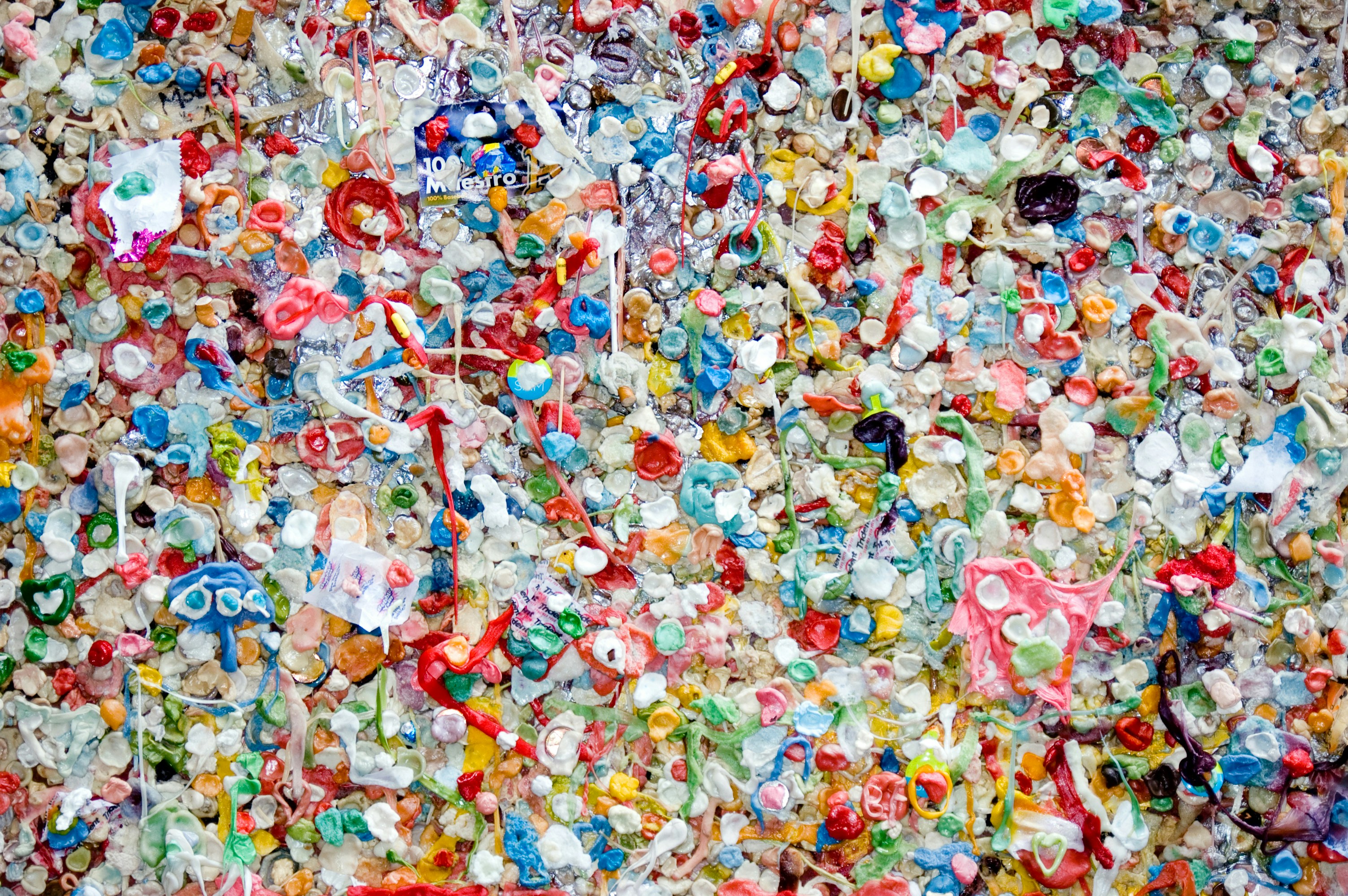
Plastic waste often contains different polymer types that are difficult to separate completely. Mixing incompatible plastics during recycling can result in poor mechanical properties and inconsistent material quality.
Compatibilizers help improve bonding between selected polymer components, making it possible to develop more useful recycled plastic blends.
Applications include recycled packaging materials, automotive plastic components, household products and industrial plastic parts.
2. Automotive Manufacturing
Automotive manufacturers use polymer blends to develop lightweight components with suitable strength, impact resistance and durability.
Compatibilizers help improve the performance of selected polymer combinations used in interior components, protective parts, housings and other plastic applications.
3. Packaging Industry
Packaging manufacturers use different polymer materials to achieve barrier performance, flexibility, strength and sealing properties.
Compatibilizers can support the development of selected multilayer structures and polymer blends. They are also used in certain recycled packaging formulations to improve material consistency.
4. Engineering Plastics
Engineering plastics are used in applications that require specific mechanical, thermal and chemical properties.
Compatibilizers help combine selected engineering polymers with other materials to develop blends with improved impact resistance, flexibility or processing characteristics.
Examples include selected polyamide, polyester and polyolefin-based blends.
5. Wood-Plastic Composites
Wood-plastic composites combine wood fibres or flour with thermoplastic polymers. However, the natural polar characteristics of wood and the relatively non-polar nature of many polyolefins can create compatibility challenges.
Compatibilizers such as maleic anhydride-grafted polyolefins can improve bonding between the wood component and the plastic matrix.
They are used in decking, outdoor furniture, construction profiles and decorative building materials.
Polymer Compatibilizers in Plastic Processing Methods
Compatibilizers are commonly incorporated during melt processing, where heat and mechanical mixing allow polymer materials to combine.
Twin-Screw Extrusion
Twin-screw extrusion is widely used for polymer compounding because it provides effective mixing and control over processing conditions.
Compatibilizers can be introduced alongside the base polymers through suitable feeding arrangements. The materials are melted, mixed and processed into pellets for later manufacturing.
Injection Moulding
In injection moulding, polymer blends containing compatibilizers are heated and injected into a mould to produce finished components.
The compatibilizer helps maintain the desired blend structure and improve adhesion between polymer phases.
Film Extrusion
Film extrusion is used to produce plastic films for packaging and industrial applications. Compatibilizers may be included in selected polymer formulations to improve compatibility and support consistent material properties.
Reactive Extrusion
Reactive extrusion combines polymer processing with chemical reactions. It is particularly useful when reactive compatibilizers or in-situ compatibilization approaches are required.
Processing conditions must be controlled carefully to achieve the intended chemical reactions without causing excessive polymer degradation.
Benefits of Using Polymer Compatibilizers
The use of suitable compatibilizers can provide several advantages in plastic manufacturing:
Improved mechanical properties: Better interfacial adhesion can improve strength and impact performance.
More uniform blend structure: Compatibilizers can help reduce the size of dispersed polymer domains.
Better material consistency: Improved phase distribution can support more predictable product quality.
Greater formulation flexibility: Manufacturers can combine selected polymers to achieve specific performance requirements.
Improved recycling opportunities: Compatibilizers can help utilise certain mixed or recycled polymer streams.
Potential cost optimisation: Blending suitable lower-cost or recycled materials with other polymers may reduce overall material costs, depending on the formulation.
The benefits vary according to polymer chemistry, compatibilizer selection and processing conditions. Compatibilizers do not make every combination of plastics suitable for blending.
How to Select the Right Polymer Compatibilizer
Choosing the right compatibilizer requires technical evaluation of the polymers and the intended manufacturing application.
Manufacturers and industrial buyers should consider the following factors:
Polymer combination: Identify the exact polymers being blended and their chemical characteristics.
Desired properties: Define whether the priority is impact resistance, tensile strength, flexibility, adhesion or processing stability.
Compatibilizer chemistry: Select a graft, block, reactive or non-reactive compatibilizer suitable for the polymer system.
Processing method: Consider extrusion, injection moulding, film production or reactive processing.
Processing temperature: Confirm that the compatibilizer is suitable for the thermal conditions used during manufacturing.
Dosage and formulation: Determine the appropriate concentration through laboratory testing and compounding trials.
Supplier documentation: Review technical data sheets, processing recommendations and Safety Data Sheets where relevant.
Laboratory testing, mechanical property evaluation and morphology analysis can help determine whether a compatibilizer is suitable before commercial-scale production.
Developments in Polymer Compatibilization
The demand for recycled plastics and resource-efficient manufacturing is increasing interest in advanced compatibilizer technologies.
Researchers and polymer manufacturers are exploring improved reactive formulations, multifunctional compatibilizers and materials designed for complex recycled polymer streams.
Another important area is the development of compatibilizers for bio-based polymers and biodegradable plastics. These materials may require specialised formulations to achieve suitable performance when blended with other polymers.
Advances in reactive extrusion and polymer characterisation are also helping manufacturers better understand how compatibilizers affect blend structure and final material properties.
Improving Plastic Blend Performance with the Right Compatibilizer
Polymer compatibilizers are important additives in modern plastic blending and processing. They help improve the interaction between incompatible polymers, support better phase distribution and strengthen interfacial adhesion.
From plastic recycling and automotive components to packaging, engineering plastics and wood-plastic composites, suitable compatibilizers allow manufacturers to develop polymer blends with application-specific properties.
For industrial businesses, successful compatibilizer selection depends on understanding polymer chemistry, processing requirements and final product performance. Working with experienced suppliers and conducting formulation trials can help achieve consistent results and improve the value of blended plastic materials.
Sources
High Density Polyethylene (HDPE)
Found this useful?