Hydrogen Peroxide: Applications and Sourcing Needs Across Industries
Hydrogen peroxide plays an important role in several industrial supply chains, particularly in pulp and paper production, textiles, water treatment and chemical manufacturing. Its oxidising properties make it useful for bleaching, cleaning and treating materials without leaving the same type of persistent chemical residue associated with some alternative processes.
For chemical traders, importers and procurement managers, hydrogen peroxide represents a specialised product category with demand linked to manufacturing activity, environmental treatment requirements and industrial processing needs. Buyers must consider concentration, product quality, packaging, transportation conditions and regulatory requirements when evaluating commercial offers.
What Is Hydrogen Peroxide and How Does It Work?
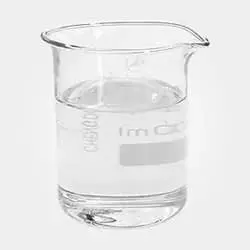
Hydrogen peroxide (H₂O₂) is a chemical compound consisting of hydrogen and oxygen. It appears as a clear liquid in commercial aqueous solutions and functions as an oxidising agent across numerous industrial applications.
Its main commercial advantage comes from its ability to participate in oxidation reactions. After appropriate decomposition, hydrogen peroxide produces water and oxygen, which makes it useful in applications where manufacturers want to avoid certain conventional chemical residues.
Industries select hydrogen peroxide according to the requirements of their processes. Concentration, purity, stability and compatibility with equipment all influence product selection.
Commercial hydrogen peroxide is available in different grades, including:
Industrial grade: Manufacturers use it in general industrial processing, bleaching and selected chemical applications.
Food-processing grade: Specialised applications require suitable purity and strict compliance with relevant food-contact regulations.
Electronic and high-purity grades: Certain specialised manufacturing operations require tighter impurity controls.
These grades do not serve as interchangeable alternatives. Buyers must match the specification to the intended application.
Hydrogen Peroxide Applications Across Major Industries
Industrial demand comes from several sectors, each using hydrogen peroxide for different processing requirements.
1. Pulp and paper manufacturing
Paper producers use hydrogen peroxide in bleaching operations to improve pulp brightness. It supports production processes that require controlled bleaching performance and consistent paper quality.
The pulp and paper sector represents an important industrial consumption area because manufacturers continuously process large volumes of raw materials.
2. Textile manufacturing
Textile processors use hydrogen peroxide in bleaching operations before dyeing and finishing. It helps prepare fabrics for subsequent treatments by reducing unwanted natural coloration.
Cotton processing is particularly relevant because manufacturers need consistent fabric appearance across production batches.
3. Water and wastewater treatment
Water treatment facilities use hydrogen peroxide in selected oxidation processes. It can help address certain contaminants and support treatment systems that target specific water-quality requirements.
Industrial wastewater facilities may incorporate it into treatment programmes depending on the composition of their wastewater and the overall treatment design.
4. Chemical manufacturing
Chemical producers use hydrogen peroxide as an oxidising reagent in various chemical processes. Its role depends on the reaction requirements, production technology and desired intermediate or finished product.
5. Food processing and sanitation
Specialised hydrogen peroxide grades serve selected food-processing and packaging applications. Manufacturers may use approved formulations in controlled sanitation processes where applicable regulations permit their use.
These applications require appropriate purity specifications and strict operational controls.
What Drives Global Hydrogen Peroxide Demand?
Hydrogen peroxide demand reflects activity across multiple industrial sectors rather than depending on a single end-use market.
Several factors influence consumption:
Paper production: Changes in pulp output and paper manufacturing directly affect industrial bleaching requirements.
Textile exports: Higher textile production can increase demand for bleaching chemicals, particularly in major manufacturing economies.
Environmental treatment: Investment in wastewater infrastructure supports demand for chemicals used in industrial treatment systems.
Chemical production: Growth in downstream chemical manufacturing creates additional demand for hydrogen peroxide as a processing input.
Manufacturing expansion: New industrial facilities can increase regional consumption and create opportunities for chemical distributors.
Regional demand also depends on manufacturing concentration. Countries with established textile, paper and chemical industries maintain important consumption markets.
Global Production and International Trade
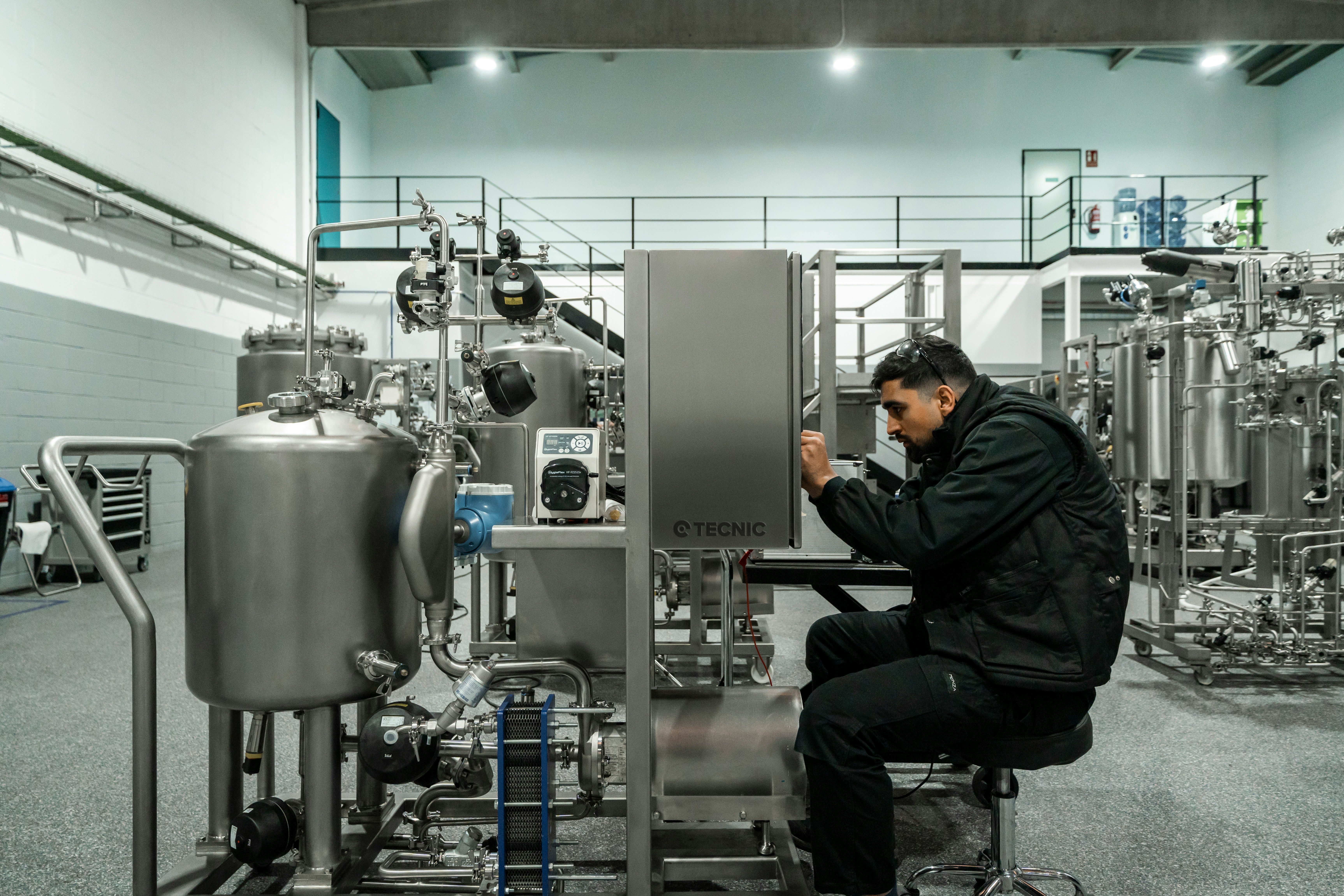
Hydrogen peroxide production requires specialised manufacturing infrastructure, technical controls and appropriate distribution arrangements. Producers generally supply industrial customers through regional distribution networks and established chemical trading channels.
Asia represents an important manufacturing and consumption region because of its extensive textile, paper and chemical industries.
China holds a significant position in regional chemical manufacturing. Other Asian markets, including India, South Korea and Japan, also contribute to industrial consumption and chemical supply networks.
European demand comes from established paper manufacturing, chemical processing and environmental treatment industries. North American consumption similarly reflects industrial manufacturing activity and water treatment requirements.
International trade depends on several commercial factors:
Regional production capacity and plant operating rates.
Industrial demand in importing countries.
Transportation infrastructure and chemical-handling capabilities.
Product concentration and customer specifications.
Local regulations governing chemical imports and distribution.
Hydrogen peroxide also presents different logistical requirements from many conventional industrial chemicals. Its handling characteristics influence the choice of transportation equipment, packaging and distribution arrangements.
Commercial Grades and Product Quality Requirements
Product specifications play a central role in hydrogen peroxide procurement. Buyers cannot evaluate commercial offers through price alone because different applications require different concentration and quality characteristics.
Concentration represents one of the most important purchasing considerations. Industrial suppliers offer different concentrations depending on production capabilities and customer requirements.
Procurement teams should assess:
Hydrogen peroxide concentration and acceptable tolerance.
Product purity and relevant impurity limits.
Applicable technical specifications.
Certificate of Analysis (COA) availability.
Safety Data Sheet (SDS) documentation.
Packaging compatibility and product stability.
Quality consistency matters particularly for manufacturers operating continuous production lines. Variations in product specifications can affect processing conditions and finished-product quality.
Buyers should also distinguish between general industrial grades and specialised grades intended for regulated applications.
Storage, Transportation and Supply Chain Considerations
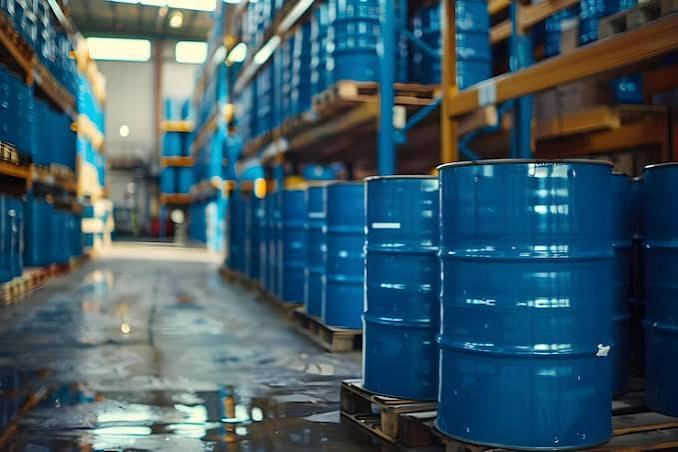
Hydrogen peroxide requires specialised handling because it can decompose and release oxygen, particularly when exposed to incompatible materials, contamination or unsuitable environmental conditions.
Its supply chain therefore requires appropriate equipment, packaging and trained personnel. Buyers should evaluate supplier capabilities alongside product specifications.
Important supply chain considerations include:
Packaging compatibility: Suppliers must use materials specifically approved for hydrogen peroxide service. Incompatible materials can compromise product quality and create safety risks.
Transportation arrangements: Chemical distributors need suitable transport equipment and procedures that comply with applicable dangerous-goods regulations.
Storage conditions: Facilities require suitable storage systems, contamination controls and appropriate environmental management.
Documentation: Importers should obtain relevant SDS documents, COAs, transport documentation and regulatory information before accepting commercial shipments.
Supplier reliability: Consistent product specifications, established distribution capabilities and dependable delivery schedules help manufacturers maintain procurement continuity.
Supply chain interruptions can affect production planning, particularly for facilities that depend on regular chemical deliveries.
Factors That Influence Hydrogen Peroxide Prices
Hydrogen peroxide prices vary across markets because production economics and distribution requirements differ between suppliers and destinations.
Several factors influence its commercial value.
Production costs: Manufacturing expenses, energy consumption and raw material availability influence producer economics.
Regional supply and demand: High industrial consumption can tighten local availability, while additional production capacity can increase competition among suppliers.
Concentration and grade: Different concentrations and purity requirements affect manufacturing, packaging and distribution costs.
Freight and logistics: Transportation distance, handling requirements and packaging arrangements contribute to the delivered cost.
Regulatory requirements: Compliance with chemical transportation, storage and import regulations can influence the overall supply chain expense.
For importers, the delivered price provides a more useful comparison than the quoted product price alone. Procurement teams should assess freight, insurance, handling and applicable import charges when evaluating international offers.
Environmental Considerations and Industrial Applications
Hydrogen peroxide attracts attention in industrial processes because its decomposition can produce water and oxygen. This characteristic supports its use in selected bleaching and oxidation applications.
In pulp and paper manufacturing, it provides an alternative bleaching chemistry for specific process requirements. Water treatment operators also incorporate it into selected treatment systems where oxidation performance meets their operational objectives.
However, environmental performance depends on the complete industrial process. Energy consumption, chemical dosage, wastewater characteristics and treatment efficiency all influence the overall environmental impact.
Manufacturers increasingly evaluate chemical inputs according to both production performance and environmental management objectives. Hydrogen peroxide can contribute to these strategies when the application and operating conditions are appropriate.
What Procurement Teams Should Consider Before Buying
A successful hydrogen peroxide procurement strategy requires more than identifying an available supplier. Buyers need to understand their technical requirements and evaluate whether a supplier can meet them consistently.
Procurement teams should focus on the following areas:
Define the application: Identify the intended industrial process and determine the required commercial grade.
Confirm specifications: Establish acceptable concentration, purity and impurity limits before requesting quotations.
Review documentation: Request the relevant COA, SDS and product specification sheet.
Evaluate supplier capability: Consider production consistency, distribution experience and documentation standards.
Assess delivered costs: Compare the complete landed cost rather than relying exclusively on the quoted chemical price.
Review compliance: Confirm applicable import, storage, transportation and industrial-use requirements.
Plan supply continuity: Consider delivery schedules, regional availability and alternative qualified suppliers.
These steps help reduce procurement uncertainty and support more consistent industrial operations.
The Outlook for Hydrogen Peroxide in Industrial Markets
Hydrogen peroxide demand will continue to reflect developments across paper production, textiles, chemical manufacturing and environmental treatment.
Growing industrial attention to wastewater management creates opportunities for suppliers serving treatment facilities. Meanwhile, textile and paper manufacturers will continue to require effective bleaching chemicals to maintain production quality.
Chemical distributors can also benefit from customers seeking dependable regional supply arrangements. However, competition will depend on product consistency, technical documentation, logistics capabilities and the ability to meet specific customer requirements.
For procurement managers, the strongest purchasing approach combines technical suitability with reliable supply arrangements and transparent commercial terms.
Hydrogen peroxide remains an important industrial chemical because its applications extend across several established manufacturing sectors. Understanding its commercial grades, industrial uses and supply chain requirements helps buyers make more informed purchasing decisions.
Hydrogen Peroxide (35%) - Thailand
Found this useful?